 Excellent PLC


1. Introduction
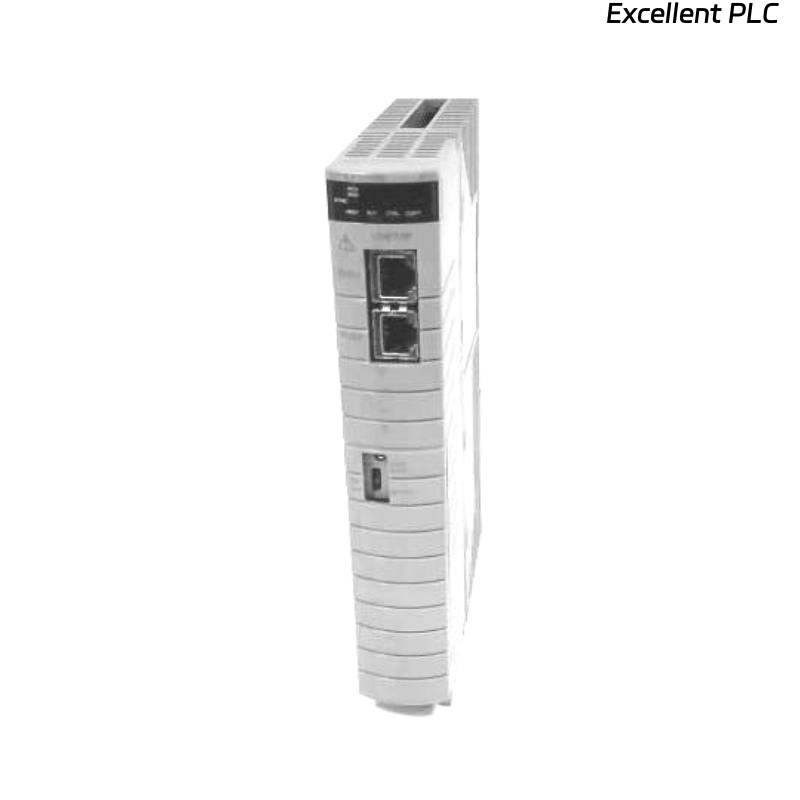
Modern Yokogawa DCS platforms, including CP471 processor modules, rely on deterministic Ethernet-based networking to maintain reliable control across distributed I/O, HMI, and SCADA interfaces. When packet loss occurs, even temporarily, it may disrupt loop execution, force controllers into fallback modes, or trigger alarms on supervisory systems. This article explores a real-world scenario where data packet loss caused communication interruptions in a CP471 system, examines the root causes, and provides engineering recommendations.
2. Operational Context
-
Controller: Yokogawa CP471 Processor Module
-
Networking Layer: Vnet/IP
-
Critical Path: Controller → Remote I/O → Field Devices
-
Physical Medium: Industrial Ethernet over shielded Cat6
-
Topology: Layer-2 switched network with ring redundancy
-
Plant Type: Chemical blending facility
Continuous communication is essential for maintaining synchronized PID control loops that adjust flow, temperature, and pressure in real time.
3. Reported Symptoms
Operators and control engineers reported the following issues:
✔ I/O updates becoming stale
✔ HMI alarming with communication timeouts
✔ Controllers switching between RUN / COMM ERROR states
✔ Intermittent control performance degradation
✔ SCADA trend deadbands during peak network utilization
System logs recorded messages such as:
4. Root Cause Analysis
A structured OT networking investigation identified multiple contributors to packet loss:
A. Congested Network Segment
Network utilization analysis revealed:
| Time Window | Utilization |
|---|---|
| Normal Operation | 18–24% |
| Peak Operation | 78–92% |
Peaks coincided with batch recipe uploads from MES to SCADA, pushing non-real-time traffic through the same VLAN.
This violated the core principle of traffic segregation between IT and OT networks.
B. Switch QoS Misconfiguration
Industrial switches lacked proper QoS (Quality of Service) rules.
Real-time Vnet/IP packets were not prioritized, allowing SCADA bulk data to starve controller communication queues.
C. Jitter and Latency Spikes
Ping and ICMP timestamping tests indicated:
| Parameter | Expected | Measured |
|---|---|---|
| Latency | < 5ms | 22–45ms (peak) |
| Jitter | < 2ms | 14–19ms |
| Packet Loss | 0% | 3.4% |
High jitter directly affected Vnet/IP synchronization cycles.
D. Improper VLAN Design
OT and IT traffic shared the same physical and logical networks, including:
-
MES traffic
-
Historian archive queries
-
Engineering workstation data
-
Alarm flooding events
Without VLAN or Layer-3 segmentation, time-sensitive packets experienced unpredictable delays.
E. Duplex Mismatch on Uplinks (Classic Issue)
Link logs showed:
This mismatch caused collisions and large retransmission counts.
5. Impact on CP471 Controller Operation
The CP471 did not fail electrically—rather, it entered communication fallback behavior consistent with design:
✔ IO fallback states activated
✔ Deadband logic widened
✔ PID loops held last good values
✔ HMI displays froze to last known data
✔ Safety interlocks remained active and functional
This demonstrates proper deterministic fail-safe behavior during comm impairment.
6. Remediation & Recovery Actions
Engineers applied a phased OT networking correction strategy:
(1) Traffic Segmentation
✔ Established separate VLANs for:
-
Vnet/IP control traffic
-
SCADA/Historian queries
-
MES uploads
-
Maintenance tools
(2) QoS Prioritization
Industrial switches configured with deterministic QoS rules:
Priority Class Mapping:
| Class | Traffic Type |
|---|---|
| Highest | Vnet/IP cyclic control |
| High | Remote I/O updates |
| Medium | Historian reads |
| Low | MES batch traffic |
(3) Duplex & Negotiation Fixes
All uplink ports standardized to:
(4) Hardware Improvements
✔ Replaced unmanaged edge switches with industrial managed switches (Layer-2+)
✔ Implemented redundant ring topology with RSTP/MRP
(5) Monitoring & Tooling
Installed continuous monitoring via:
-
SNMP traps
-
NetFlow/sFlow
-
Packet analyzer taps
-
OT network dashboard
7. Preventive Engineering Recommendations
To avoid similar failures, plants should adopt:
✔ IT/OT Network Segregation
Avoid mixing real-time control traffic with:
-
ERP batches
-
Video streaming
-
File transfers
-
Historian queries
✔ Deterministic Network Design
Industrial control networks require:
-
Low jitter
-
Low latency
-
Packet delivery guarantees
-
Ring or redundant paths
✔ OT-Centric Switch Selection
Choose switches supporting:
-
IEEE 1588 or similar time sync
-
QoS prioritization
-
VLAN tagging
-
SNMP
-
MRP/MSTP/RSTP
✔ Continuous Network Monitoring
Trending packet loss is as important as trending temperature or pressure.
✔ Change Control between IT & OT
All network changes require:
-
Approval
-
Risk assessment
-
Rollback planning
-
Scheduled downtime
-
Documentation
8. Key Takeaways
-
The CP471 module itself was not defective—network conditions impaired its communication.
-
Packet loss and jitter can cripple control loops even without hardware damage.
-
Mixing IT and OT traffic is one of the most common and preventable causes of control instability.
-
A deterministic OT networking strategy dramatically increases system reliability.
9. Conclusion
Communication stability is a foundational element of modern DCS architecture. Packet loss in industrial Ethernet environments can disrupt Yokogawa CP471 systems even when controller hardware remains fully functional. By enforcing proper QoS, VLAN segregation, redundancy, and monitoring, plants can achieve resilient communication paths and ensure uninterrupted control performance.