 Excellent PLC


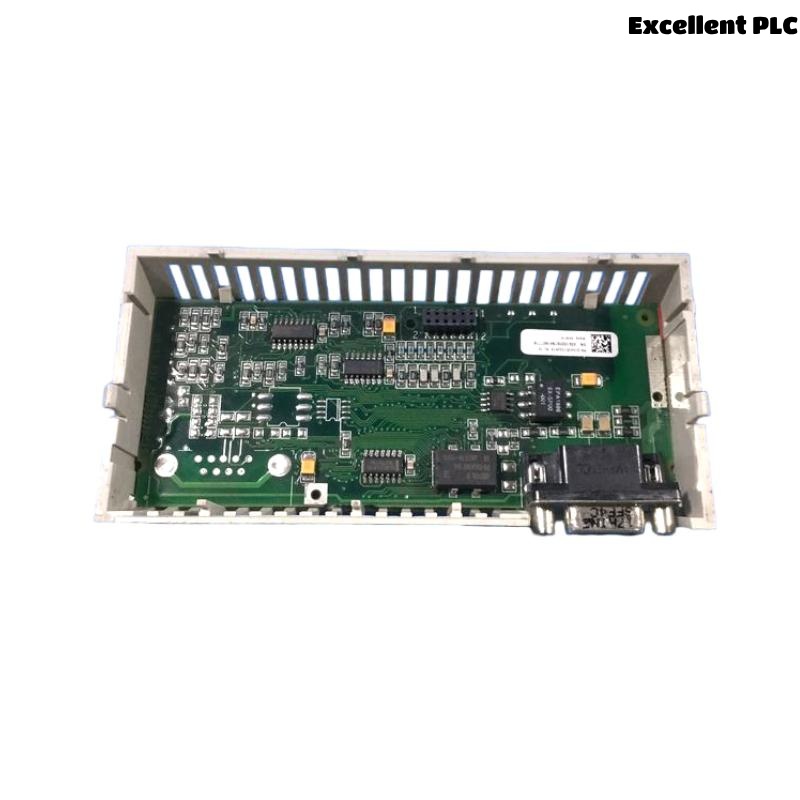
Although both Schneider and Yokogawa design highly reliable control systems, their philosophies around passive components differ in meaningful ways.
Schneider’s approach emphasizes flexibility and integration efficiency.
ABE7-style components are designed to be adaptable across a wide range of applications. They assume competent installation and place responsibility for long-term mechanical discipline largely on the system integrator.
This results in compact, efficient designs that work extremely well when wiring practices are good—but they also reflect installation quality very honestly over time.
Yokogawa, by contrast, designs passive components as if installation variability is inevitable.
Their terminal bases and passive modules often include:
-
heavier mechanical structures
-
more conservative contact designs
-
stricter alignment tolerances
-
reduced sensitivity to wiring strain
The trade-off is less flexibility and higher cost, but increased resistance to long-term degradation caused by human factors.
In simple terms:
-
Schneider designs passive components to integrate smoothly into well-managed systems
-
Yokogawa designs passive components to survive imperfect ones
Neither philosophy is “better.”
They reflect different assumptions about how systems are built, maintained, and modified over decades.
Understanding this difference helps engineers choose the right practices.
Applying Yokogawa-style expectations to Schneider hardware—or vice versa—often leads to misunderstanding rather than reliability.