 Excellent PLC


By Oliver Grant – Systems Integration Lead
One of the most misleading states in industrial networking is “link up.”
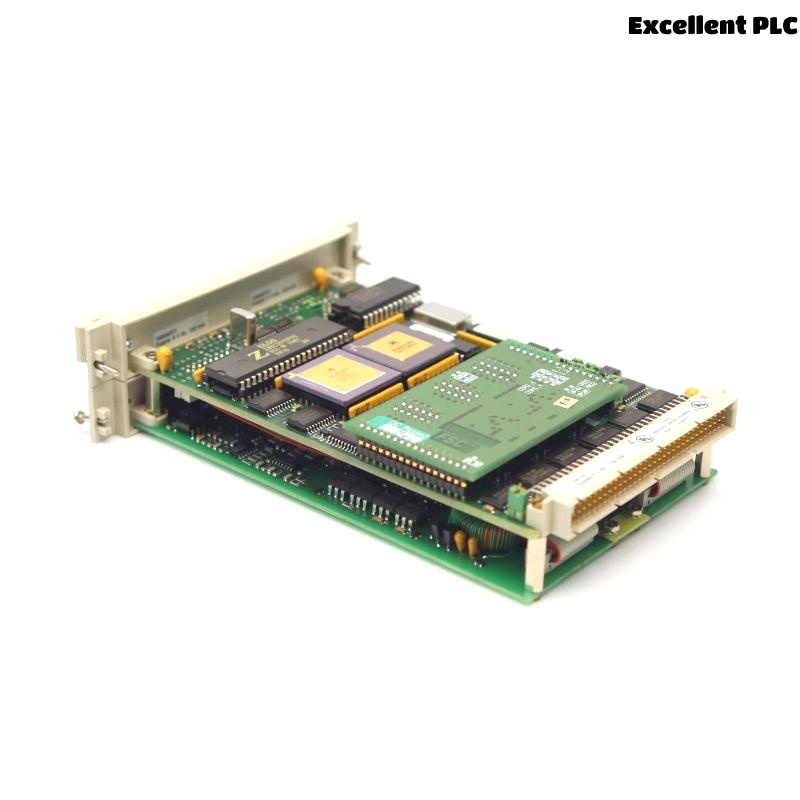
That’s exactly where the Honeywell 10014/1/1 dual-port module sat during this project: links were up, lights were on, and communication was technically established.
And yet, the system behaved like it was tired.
The Project Context
-
New analyzers added to an existing control network
-
Mixed-generation devices
-
The 10014/1/1 bridging legacy and newer segments
-
No changes made to module defaults
From a commissioning checklist perspective, everything passed.
The Symptoms Nobody Could Pin Down
-
Control commands arrived late
-
Some data points updated inconsistently
-
No clear packet loss counters
-
No hard communication faults
Operators described the system as “sluggish.”
That’s the worst kind of complaint to troubleshoot.
Where the Problem Actually Lived
The two ports on the 10014/1/1 were operating at different negotiated speeds than the connected devices expected.
Not wrong enough to fail.
Just wrong enough to degrade.
Subtle speed mismatches introduced:
-
Buffer overruns under burst traffic
-
Frame retries
-
Timing jitter that only appeared under load
Why Auto-Negotiation Wasn’t Enough
Auto-negotiation works well when:
-
Devices share modern standards
-
Implementations are consistent
In mixed environments, “compatible” doesn’t always mean “optimal.”
The module and the newer devices agreed on a speed — not on behavior under stress.
How We Proved It
We forced explicit port configurations:
Traffic patterns stabilized immediately.
Latency flattened out.
What Changed After This Experience
-
Port speeds are now explicitly defined during commissioning
-
Mixed-vendor auto-negotiation is avoided
-
Load testing added before acceptance
-
“Link up” is no longer treated as “link healthy”
Lessons I Took Personally
-
Connectivity is not performance
-
Defaults are rarely neutral
-
Mixed-generation networks behave unpredictably
-
Hidden packet loss feels like software bugs
Closing Reflection
The Honeywell 10014/1/1 dual-port module did exactly what it was told to do.
The mistake was assuming that “connected” meant “correctly configured.”
In control networks, compatibility is a baseline — not a guarantee of reliability.
— Oliver Grant