Excellent PLC


Product Introduction
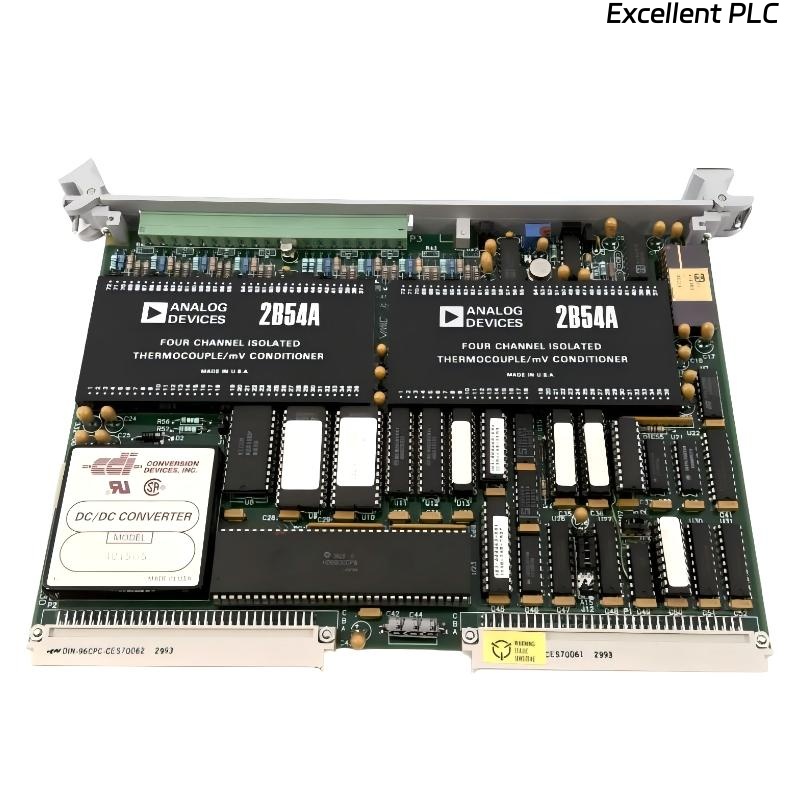
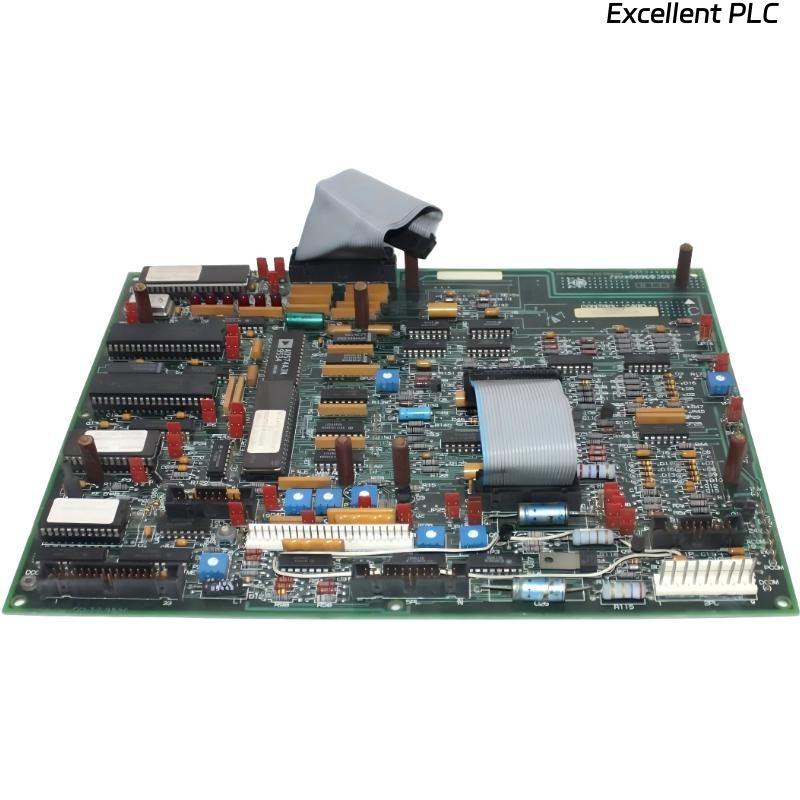
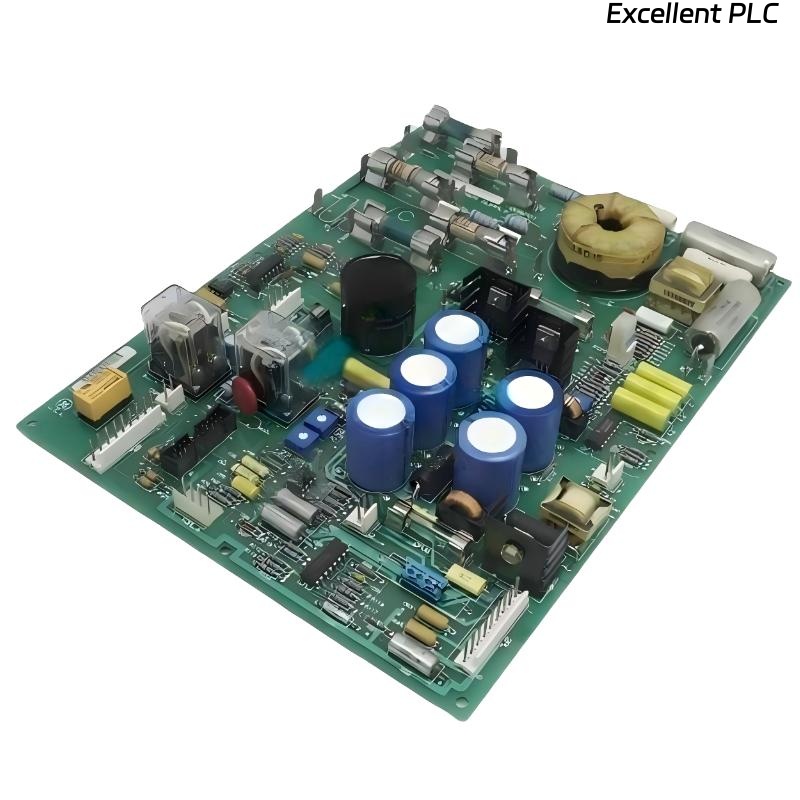
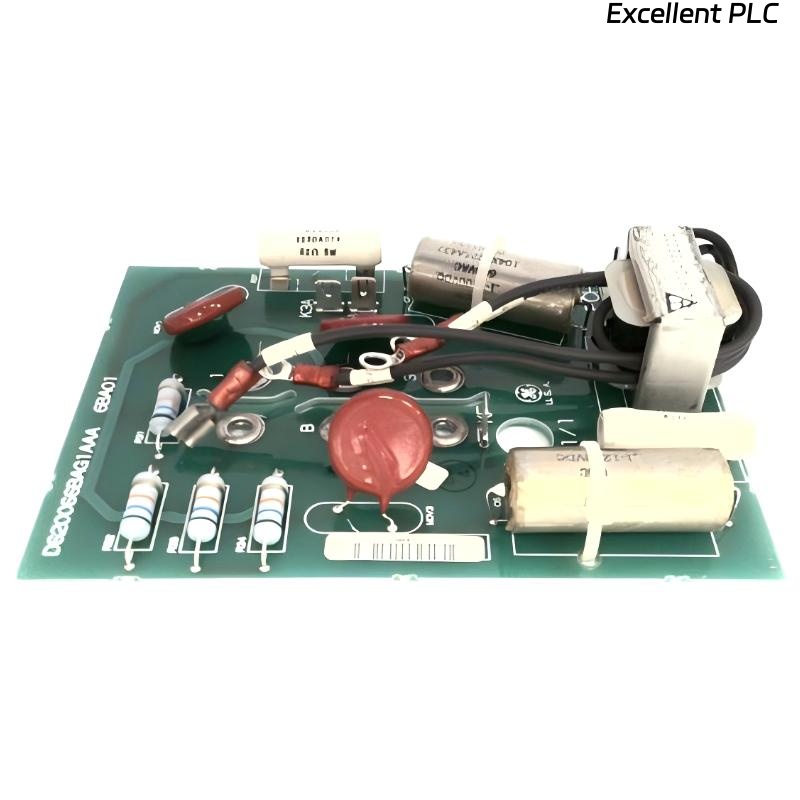
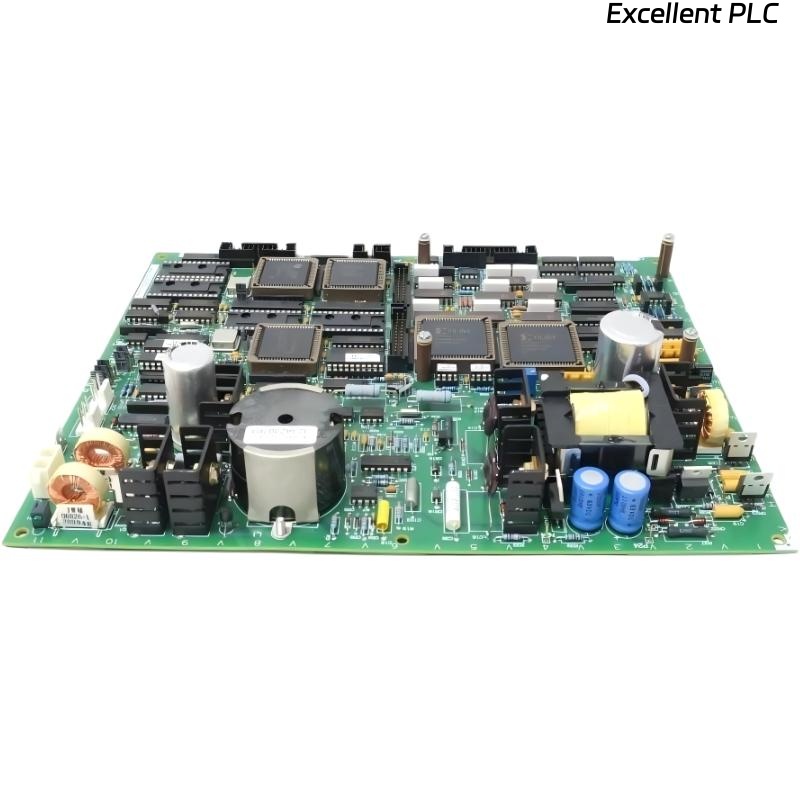
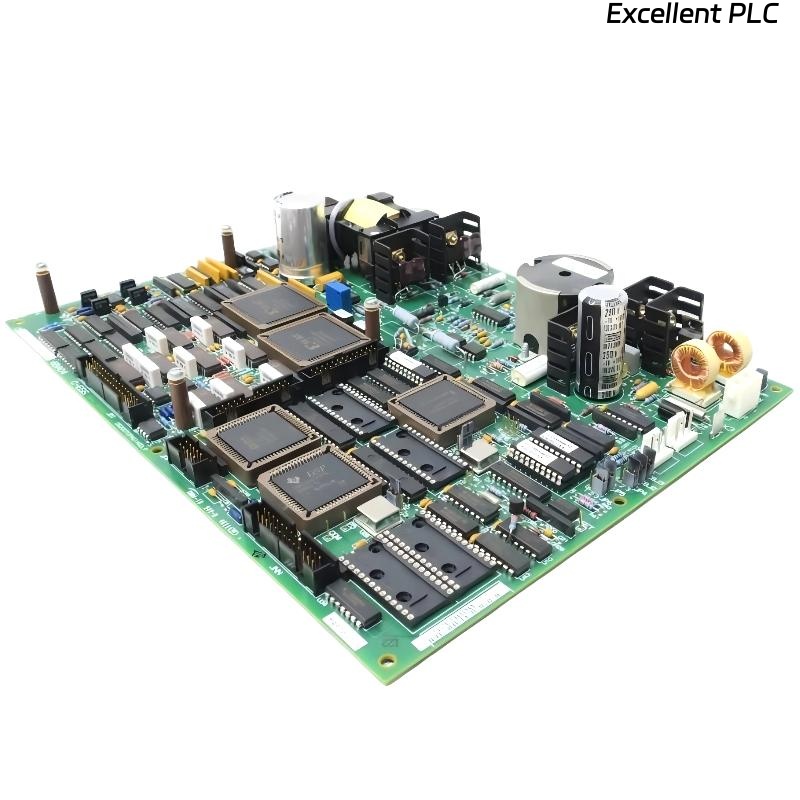
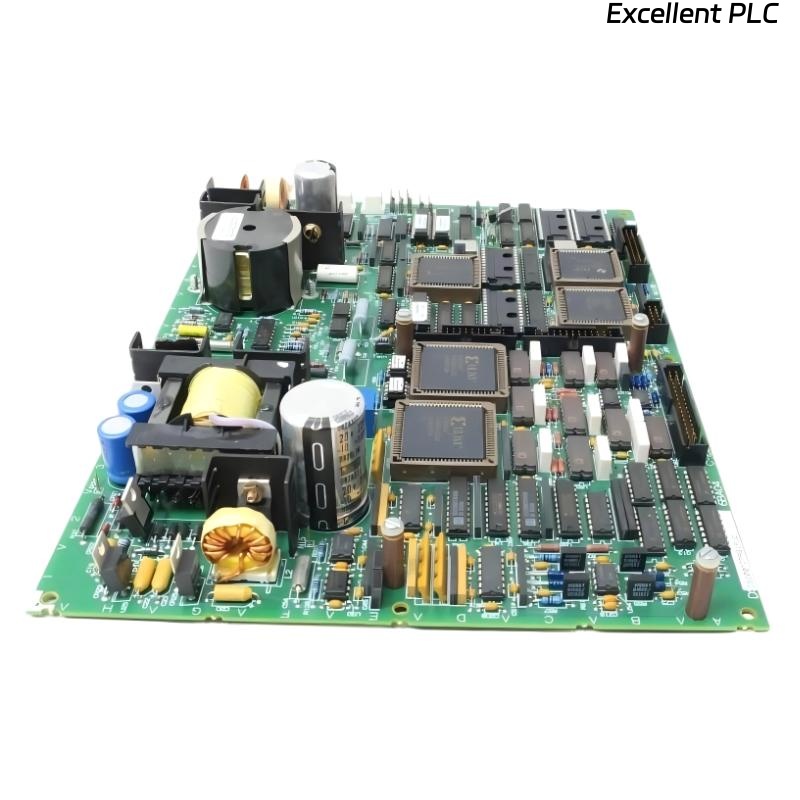
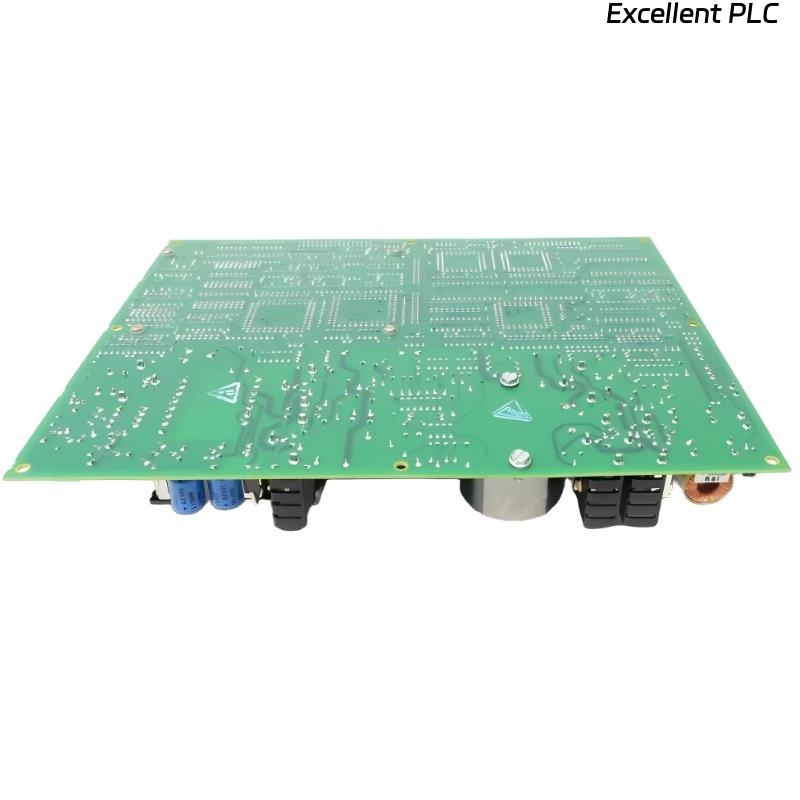
The GE DS200TCPAG1AJD Turbine Control Processor Board is a core control module within the GE Mark V control system, designed to execute turbine control algorithms, manage real-time data processing, and coordinate communication between input/output modules and system-level control functions. As the central processing unit of the control architecture, it plays a critical role in maintaining stable, efficient, and safe turbine operation.
This processor board handles complex control logic, sequence management, and real-time monitoring of turbine operating conditions. It integrates seamlessly with analog, digital, relay, and protection boards to form a unified and deterministic control platform. Built for continuous industrial operation, the DS200TCPAG1AJD delivers high processing reliability and predictable response times required for mission-critical turbine applications.
Product Specifications
| Parameter | Description |
|---|---|
| Product Type | Turbine Control Processor Board |
| System Series | GE Mark V Control System |
| Primary Function | Execute turbine control logic and system coordination |
| Processing Capability | Real-time control and deterministic logic execution |
| Control Scope | Speed control, sequencing, monitoring, and protection coordination |
| System Interface | Backplane connection to Mark V control rack |
| Data Communication | High-speed communication with I/O and protection modules |
| Diagnostics Capability | System status monitoring and fault reporting |
| Operating Environment | Industrial-grade temperature and vibration tolerance |
| Installation Method | Rack-mounted processor module |
| Dimensions | 233 × 197 × 20 mm |
| Weight | 0.971 kg |
Applications
• Turbine control systems, executing real-time speed, load, and sequence control logic.
• Generator coordination, managing control interactions between turbine and generator subsystems.
• Industrial drive control, providing centralized processing for complex control strategies.
• Safety and protection coordination, interfacing with trip and protection boards for safe operation.
• System upgrades and retrofits, replacing or enhancing legacy Mark V processor functionality.
Advantages
• High real-time processing reliability, ensuring deterministic execution of turbine control algorithms.
• Centralized system coordination, integrating multiple I/O and protection modules into one control framework.
• Robust industrial design, suitable for continuous-duty operation in demanding environments.
• Advanced diagnostics support, enabling efficient system monitoring and troubleshooting.
• Seamless Mark V integration, ensuring compatibility with existing control racks and modules.
• Stable and predictable performance, critical for safe and efficient turbine operation.