Excellent PLC


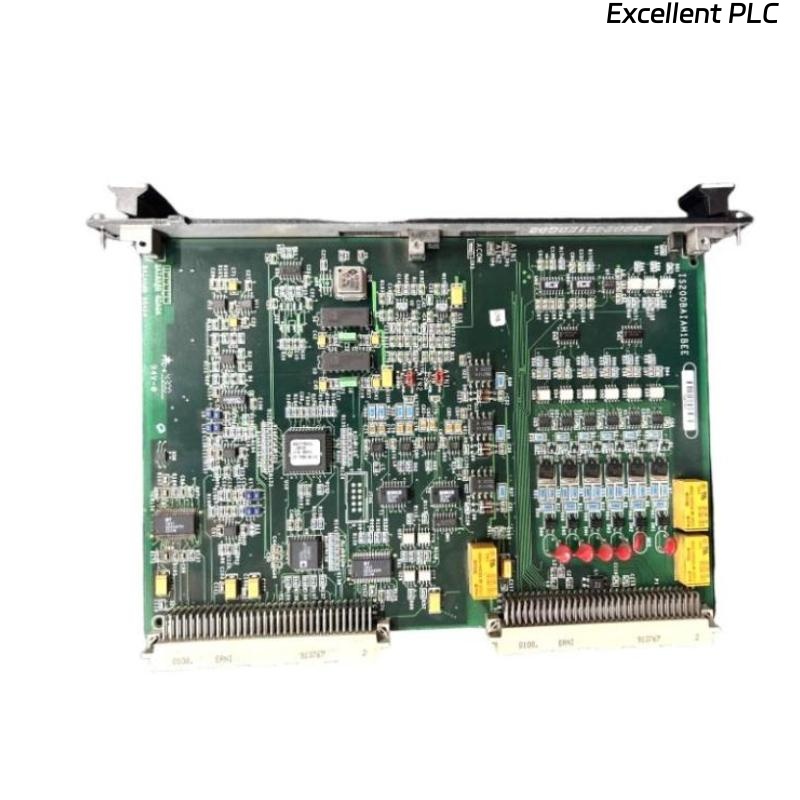
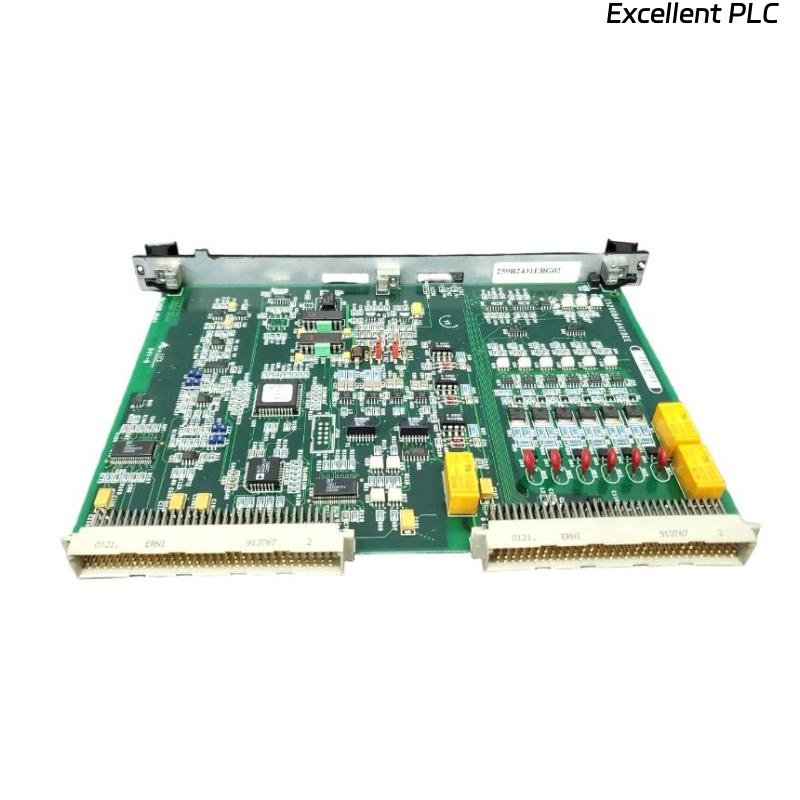
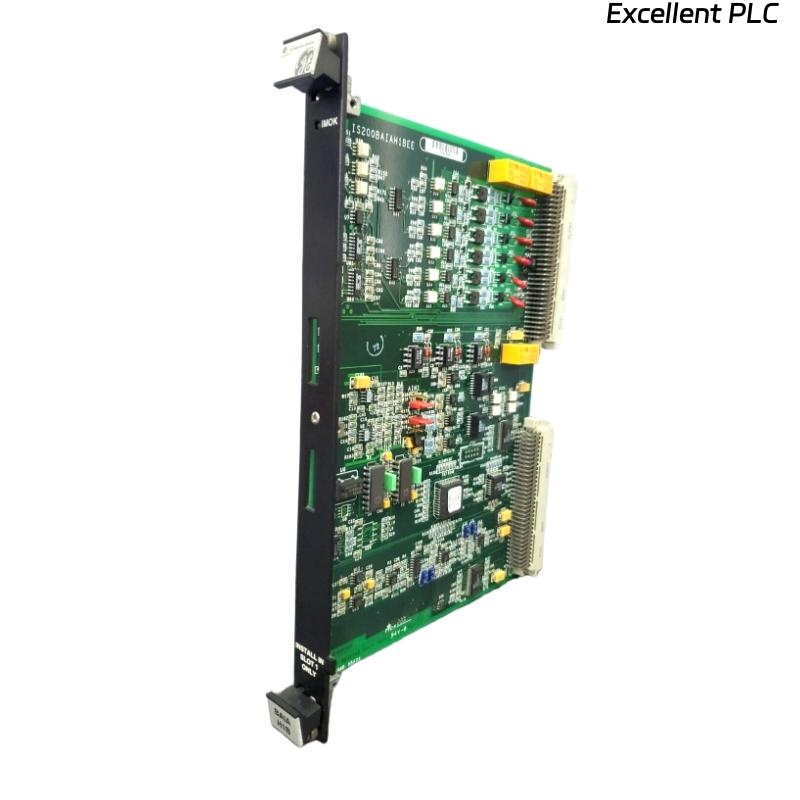
Factory Acceptance Test Summary
1. Test Overview
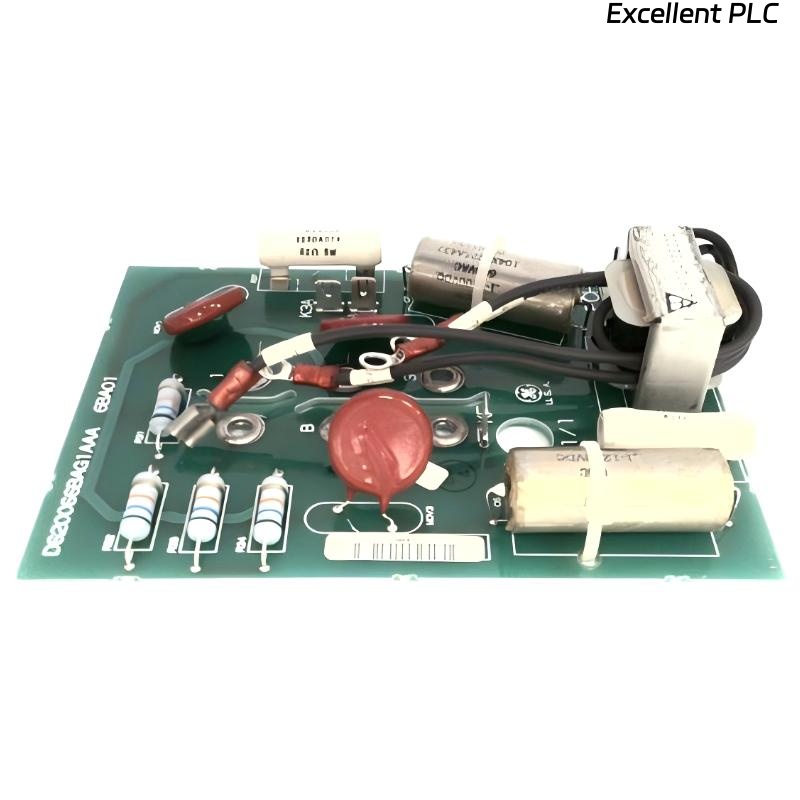
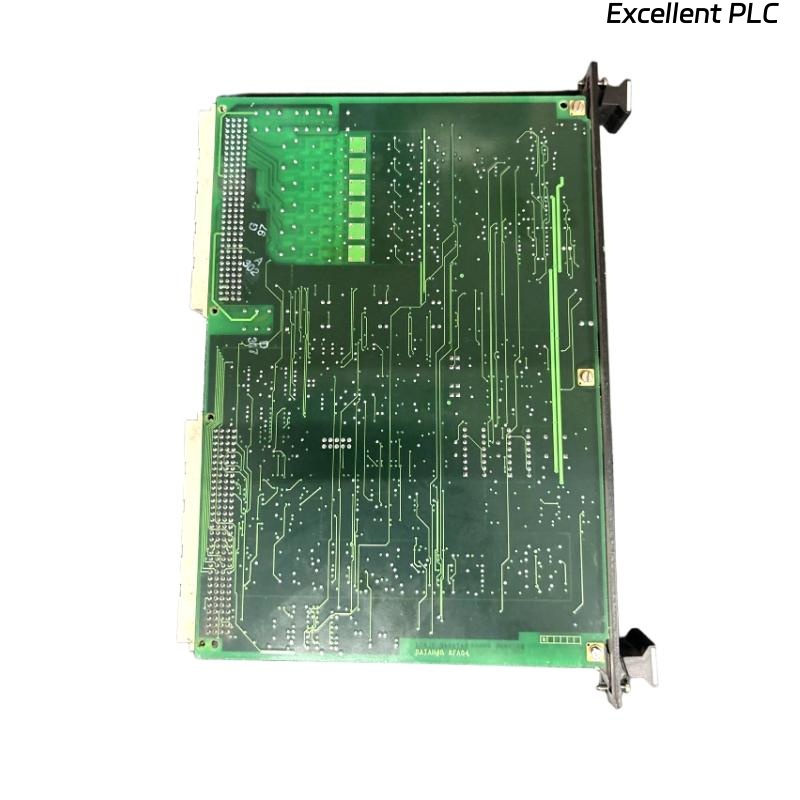
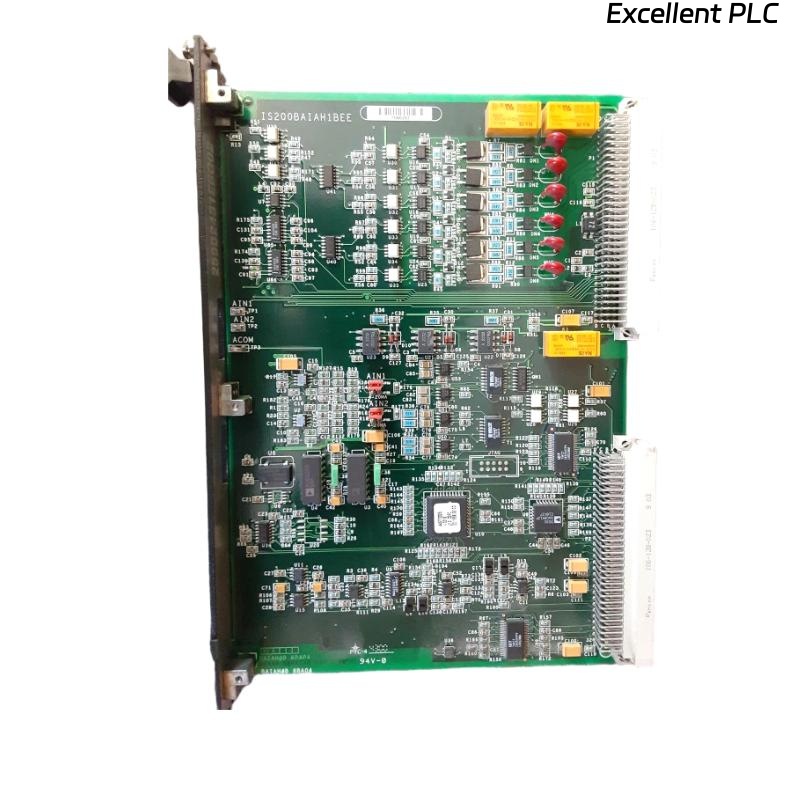
The IS200BAIAH1BEE underwent a structured Factory Acceptance Test designed to validate input-channel stability, thermal consistency, and analog accuracy within GE Mark VI/VIe environments. The focus of this evaluation was not on stress destruction but on operational repeatability—particularly how well the module handles steady-state and transient analog sourcing. Results indicate that the board performs reliably with minimal drift and maintains a stable baseline even when subjected to rapid signal changes.
2. Physical Characteristics & Core Specs
| Parameter | Specification |
|---|---|
| Brand | GE |
| Module Type | Analog Input Module |
| Channel Configuration | Multi-channel differential analog inputs |
| Signal Conditioning | Filtering + isolation circuitry |
| Nominal Input Range | 0–20 mA / 4–20 mA (system dependent) |
| Resolution | High-precision converter (factory calibrated) |
| Dimensions (L × W × H) | 168 mm × 98 mm × 38 mm |
| Weight | 0.62 kg |
| Operating Temperature | -20°C to 65°C |
| Storage Temperature | -40°C to 85°C |
| Isolation Rating | 2 kV transient endurance |
3. Functional Test Findings
During FAT evaluation, all analog channels were driven through full-range scaling. No discontinuities or sudden voltage shifts were detected. The conditioning circuitry provided smooth filtering and stable reference grounding even with intentionally induced cabinet noise.
Repeated cycling from minimum to maximum input value showed no measurable hysteresis beyond acceptable engineering limits. In addition, the module retained its calibration accuracy after thermal ramping from ambient temperature to its rated operating threshold. Connector integrity remained strong after repeated installation cycles.
4. Deployment Scenarios Confirmed
The following operational contexts were validated during simulation:
-
Closed-loop turbine control systems requiring consistent analog feedback.
-
Process monitoring panels with fluctuating sensor outputs (temperature, pressure, flow).
-
Industrial skids with large wiring bundles, where noise suppression is critical.
-
Distributed I/O cabinets, particularly those with mixed digital–analog environments.
These test conditions reaffirm that the IS200BAIAH1BEE is well-suited for roles where analog precision directly influences control logic behavior.
5. Strength Assessment
-
Excellent signal stability, even under fast-changing input profiles.
-
Strong electrical isolation, limiting cross-channel interference.
-
Thermally consistent performance, no calibration offsets observed.
-
Robust analog filtering, preventing false spikes during EMI exposure.
-
Durable connector design, suitable for frequent panel maintenance.
-
No observable jitter, ensuring predictable analog-to-digital response.