Excellent PLC


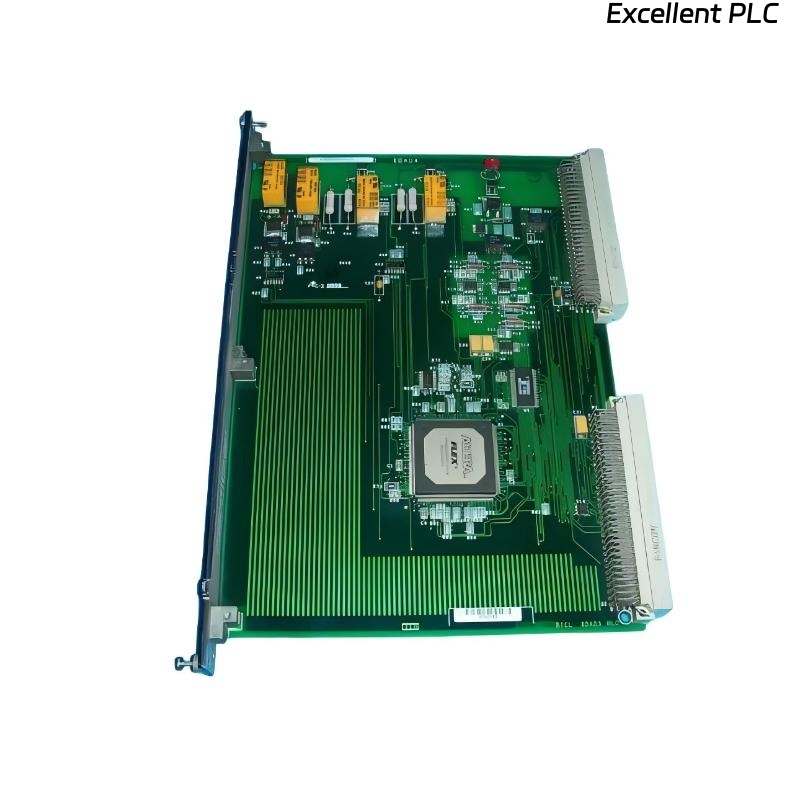
Overview of the Module
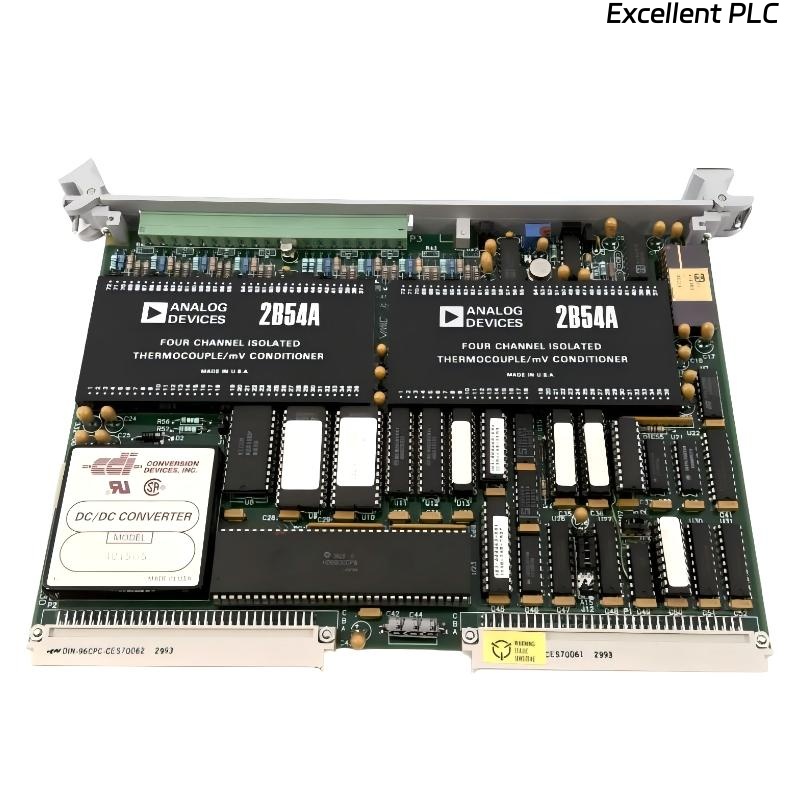
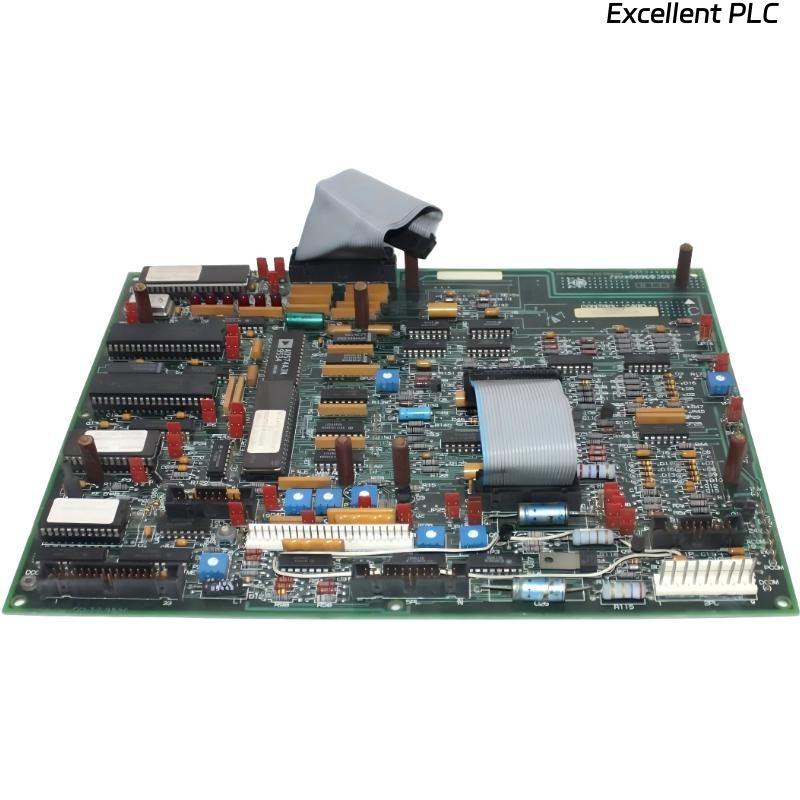
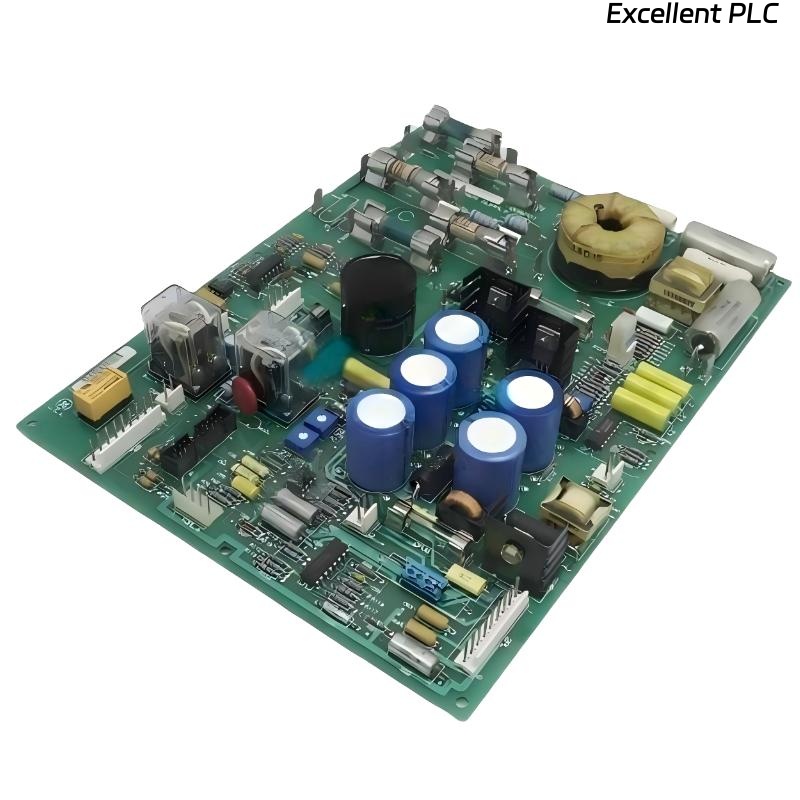
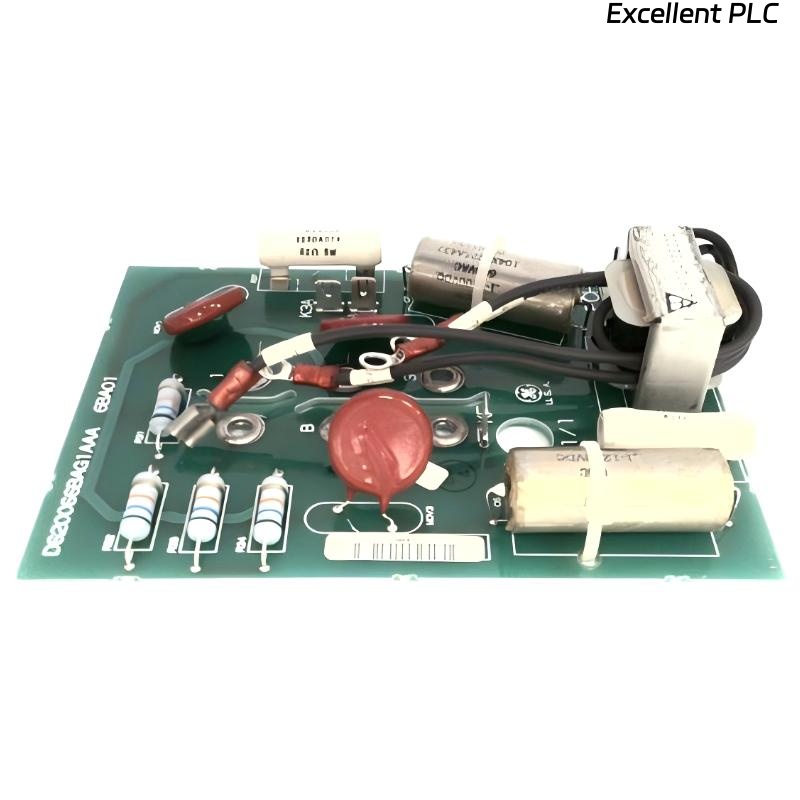
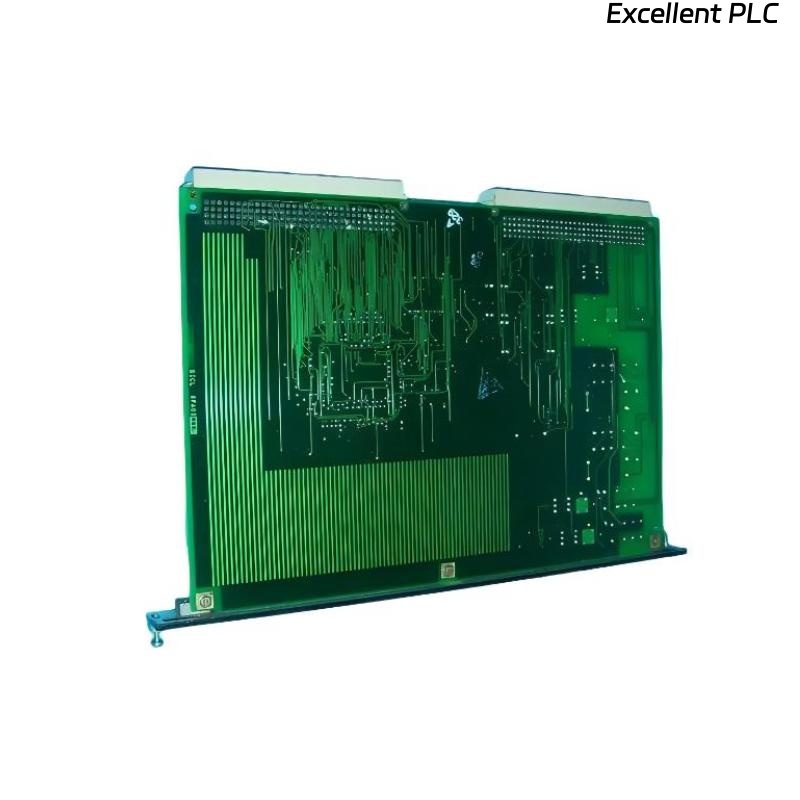
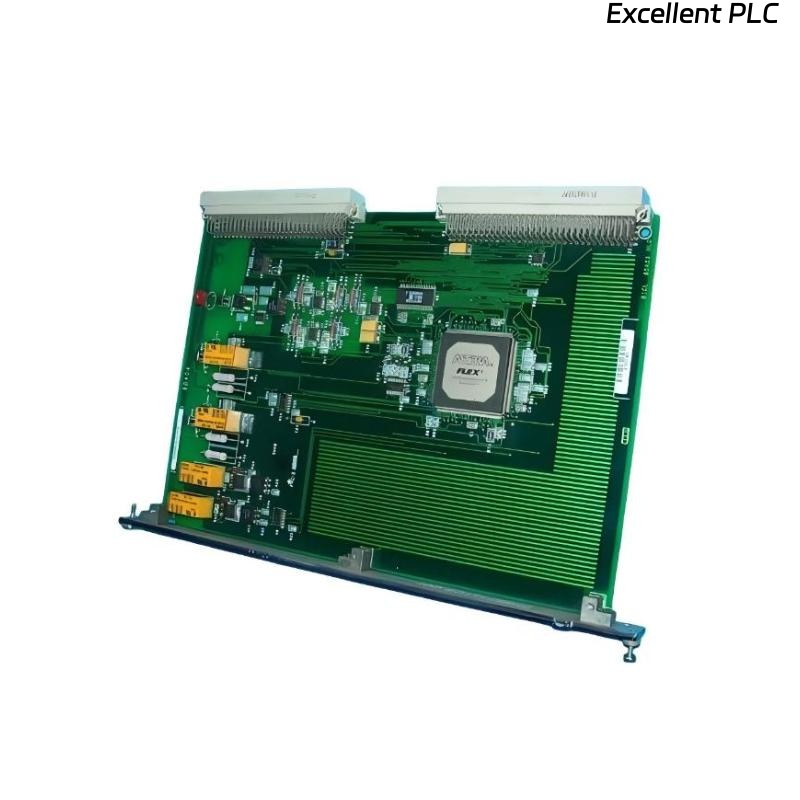
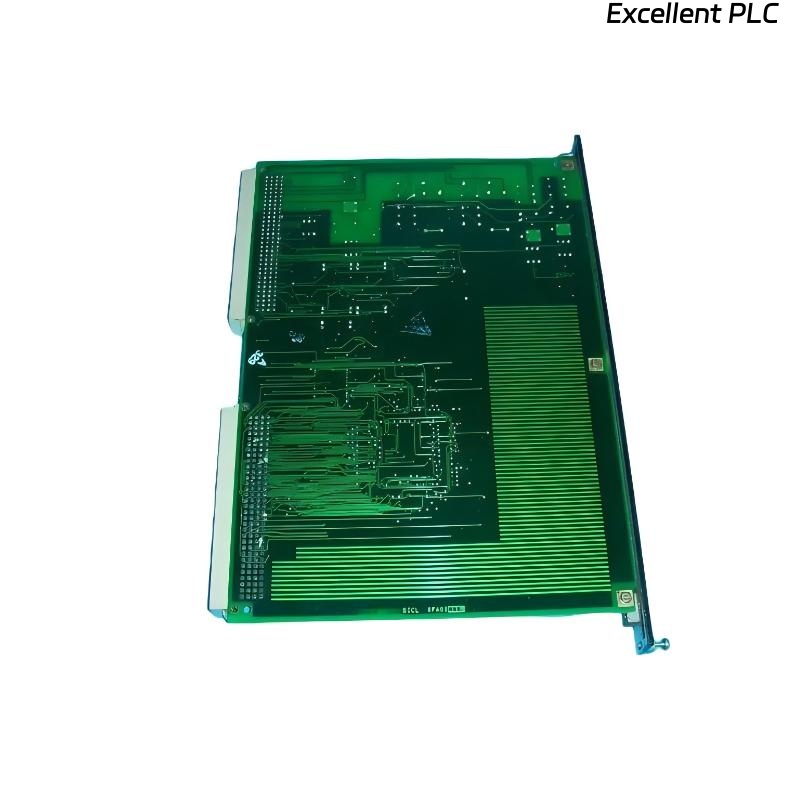
The IS200BICLH1AFD is a GE backplane interface and signal conditioning module engineered for Mark VI and Mark VIe turbine control architectures. It ensures clean signal routing, reliable communication between boards, and stable conditioning of analog and digital inputs. This module is often chosen for system refurbishments and long-term maintenance due to its dependable operating profile within high-demand industrial environments.
Hardware Characteristics and Measurements
| Specification | Details |
|---|---|
| Brand | GE |
| Model | IS200BICLH1AFD |
| Module Type | Backplane Interface / Signal Conditioning Module |
| Input/Output Support | Analog & digital interfacing |
| Backplane Communication | High-integrity low-noise pathways |
| Operating Voltage | 5V / 24V depending on channel |
| Isolation Architecture | Channel-to-channel and channel-to-ground isolation |
| Dimensions (L × W × H) | 195 mm × 133 mm × 40 mm |
| Weight | 0.68 kg |
| Operating Temperature Range | -20°C to 65°C |
| Mounting | Standard Mark VI/VIe rack fitting |
Typical Usage in Industrial Systems
This module appears in turbine control panels, generator auxiliary control cabinets, and protection circuits that depend on accurate signal interpretation. The IS200BICLH1AFD is frequently installed in:
-
Gas and steam turbine control racks
-
Signal routing networks between core control boards
-
High-accuracy sensor conditioning chains
-
Retrofit projects replacing earlier Mark VI modules
-
Redundant control lanes demanding stable data paths
Its consistent signal performance makes it valuable for both OEM installations and global MRO operations.
Strengths That Benefit System Integrators
The design of the IS200BICLH1AFD balances robustness with low electrical noise, allowing integrators to deploy it in precision-driven applications. Solid isolation barriers protect other components from transient disturbances, and its wiring structure simplifies installation during fast-paced outage work. The board’s ability to maintain signal integrity even in environments with electrical interference further enhances long-term system stability.