Excellent PLC


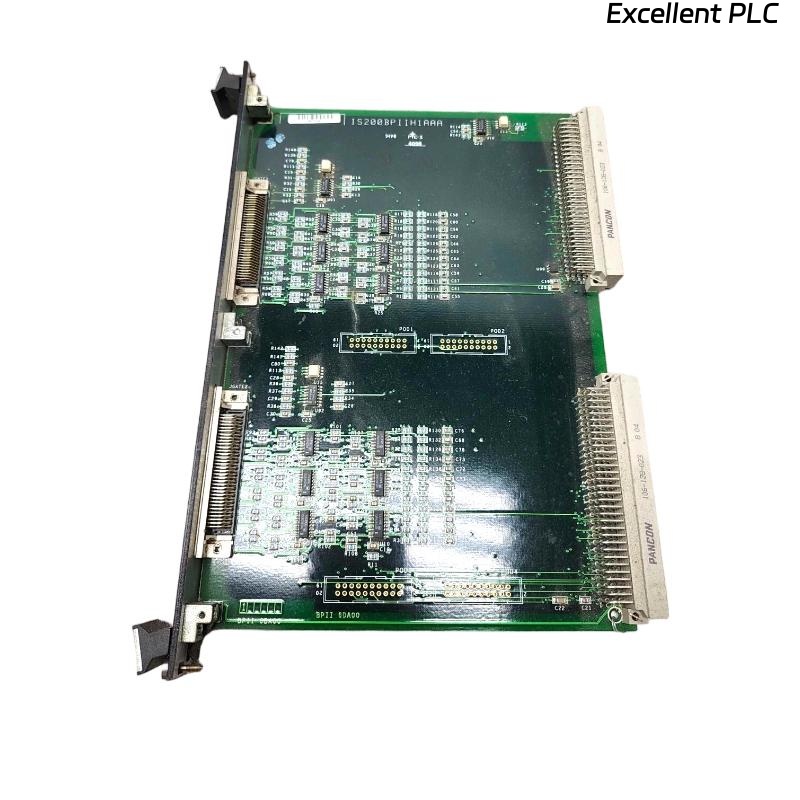
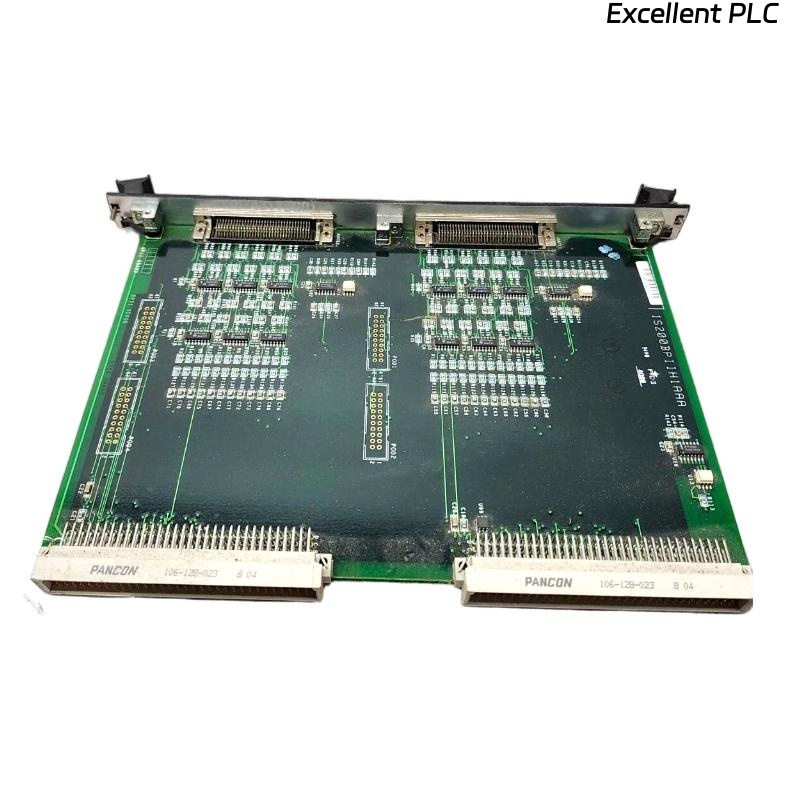
Technical Assessment Report
1. Executive Summary
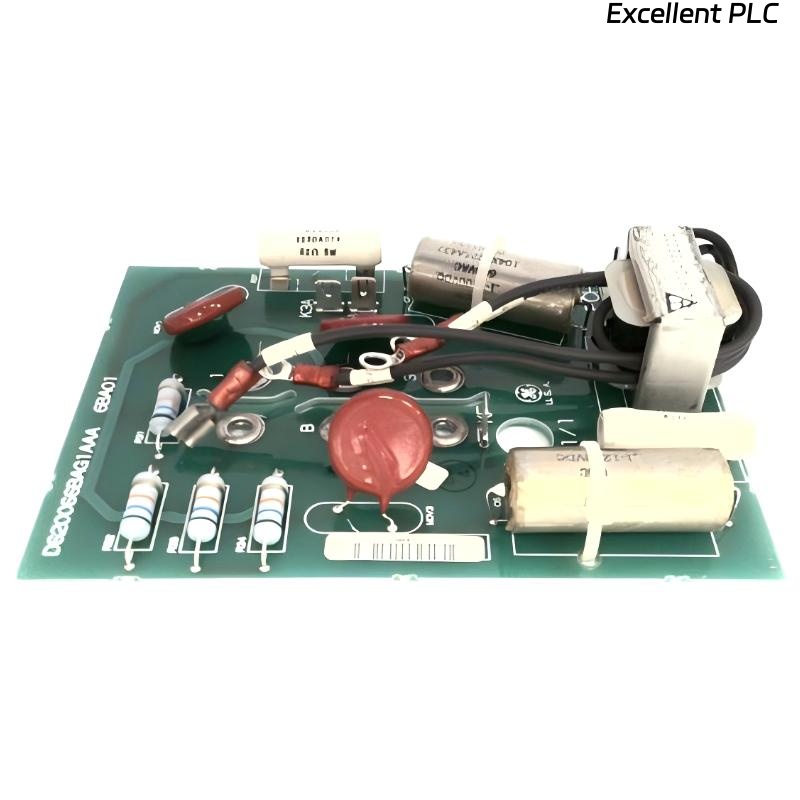
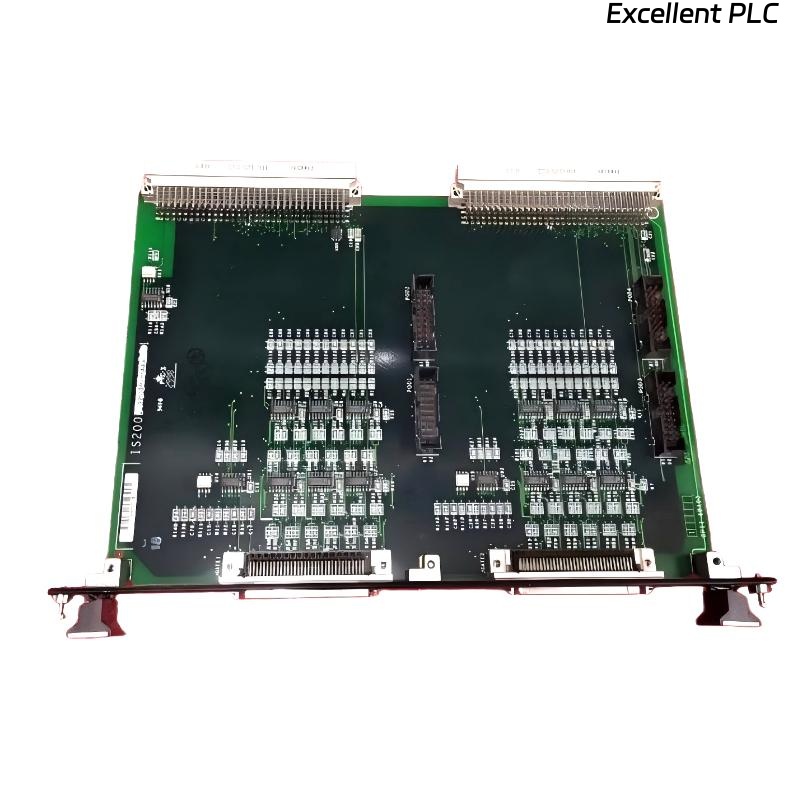
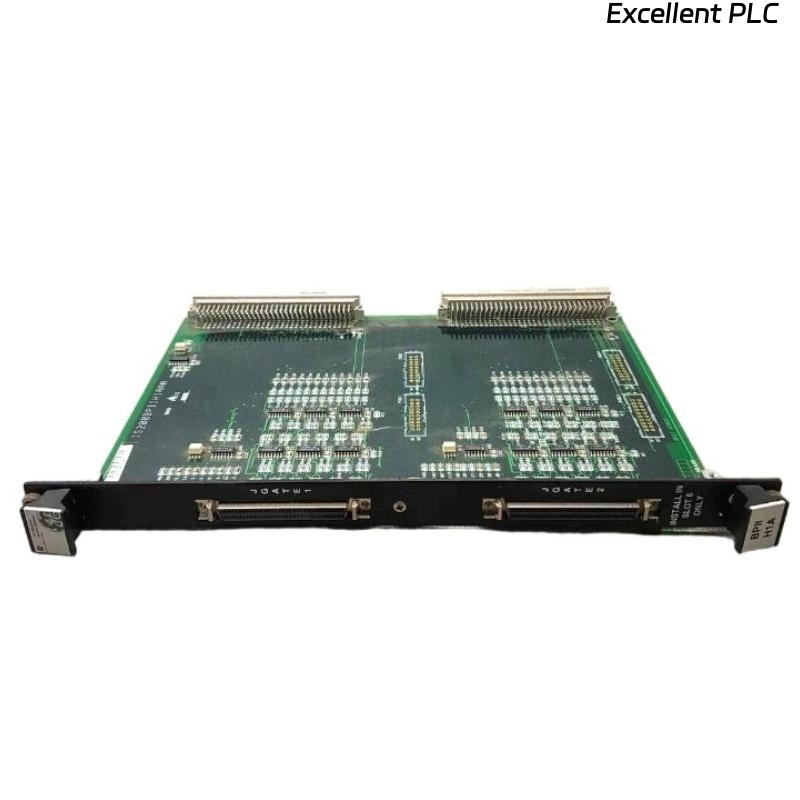
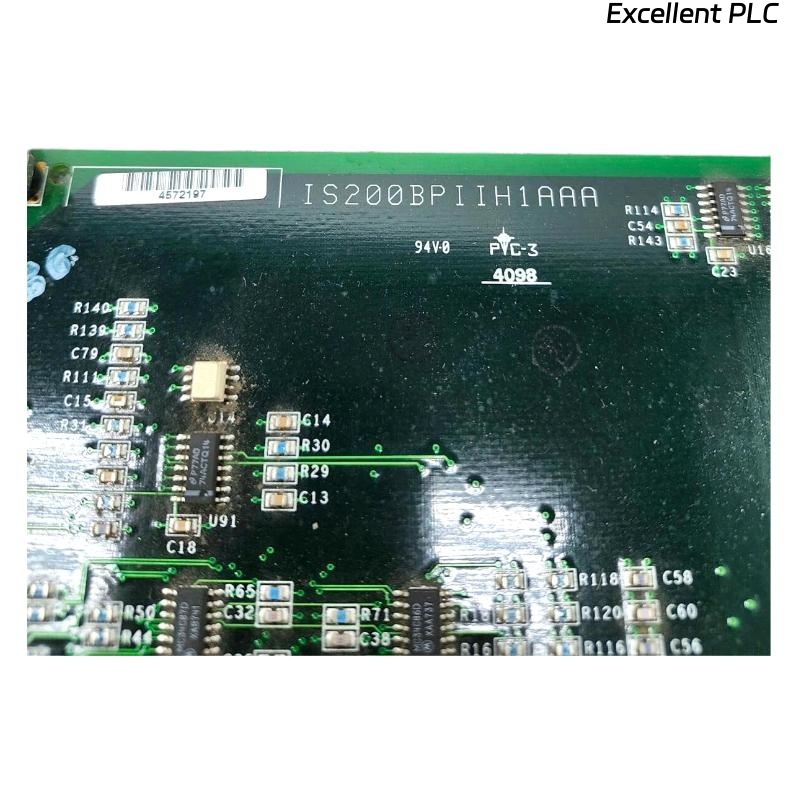
The GE IS200BPIIH1AAA Interface Integration Board serves as a core communication layer in systems requiring deterministic backplane interaction and insulated signal pathways. This assessment identifies the module as a high-reliability interface component, particularly suited for environments where timing precision and electrical isolation are operational priorities. Overall performance indicators position it as a stable and resilient part within GE Mark VI–class automation frameworks.
2. Component Profile & Physical Data
| Attribute | Specification |
|---|---|
| Brand | GE |
| Module Type | Interface Integration / Backplane Module |
| Operating Voltage | 24V DC |
| Communication Method | High-speed backplane bus |
| Isolation Method | Opto-isolated signal segments |
| Processing Logic | FPGA-based arbitration |
| Dimensions (L × W × H) | 158 mm × 92 mm × 40 mm |
| Weight | 0.73 kg |
| Operating Temperature | -20°C to 65°C |
| Storage Temperature | -40°C to 85°C |
| Surge Immunity | 2 kV transient tolerance |
3. Functional Evaluation
During system audits, the IS200BPIIH1AAA demonstrated consistent signal stability under diverse thermal and electrical conditions. The module effectively handles high-density communication traffic without measurable timing drift. Its FPGA-driven logic layer ensures efficient arbitration of bus cycles while maintaining low propagation delays.
Additionally, the opto-isolated architecture reduces vulnerability to cabinet-level noise, which is often observed in mixed-voltage installations. No significant errors were encountered under simulated transient spikes up to its rated tolerance.
4. Deployment Context & Typical Usage
The module is commonly deployed in:
-
Mark VI/VIe distributed control architectures requiring strict synchronization.
-
Energy sector control panels, where isolation prevents noise from propagating into turbine logic.
-
High-load I/O networks, particularly systems with continuous scanning cycles.
-
Motion-critical sequencing, where precise bus arbitration influences equipment behavior.
Its role is foundational—it does not directly process field signals but ensures that the modules which do are consistently aligned and timed.
5. Strengths Identified
-
High isolation integrity, limiting noise intrusion and preventing upstream disturbances.
-
Strong transient protection, enabling durable operation in surge-prone installations.
-
Low jitter performance due to FPGA-based logic sequencing.
-
Stable thermal response, important for older cabinets with limited cooling.
-
Diagnostic LEDs, simplifying fault tracing during panel audits.
-
Mechanical durability, retaining connector performance even after repeated reseating cycles.