Excellent PLC


Introduction
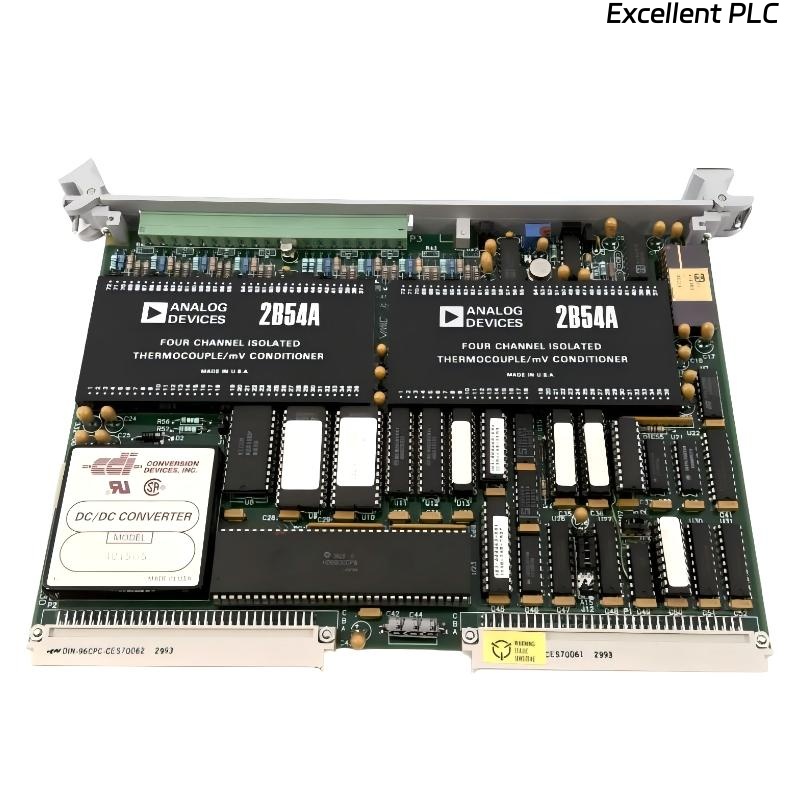
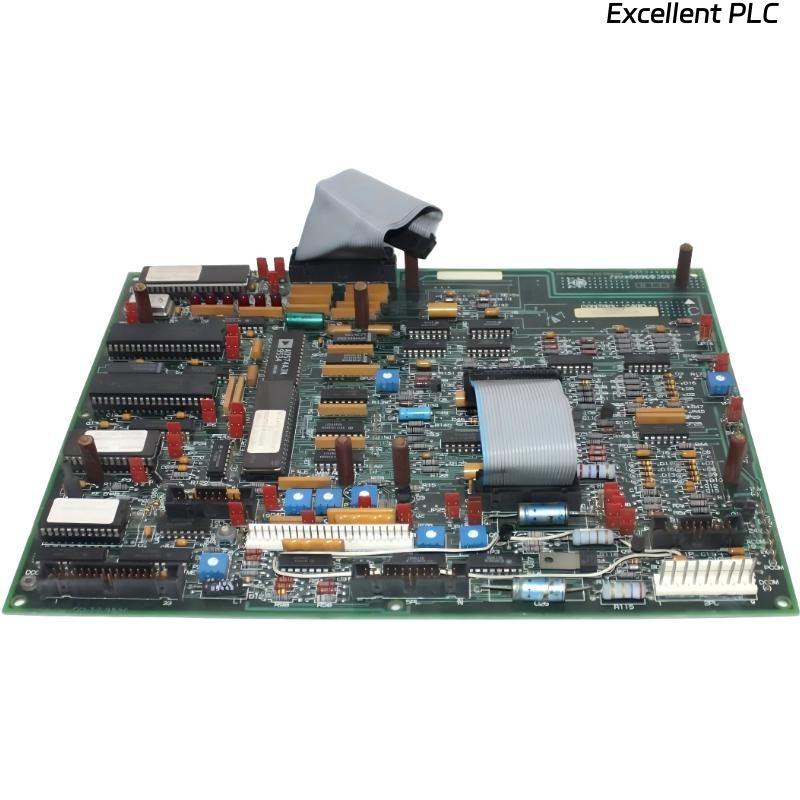
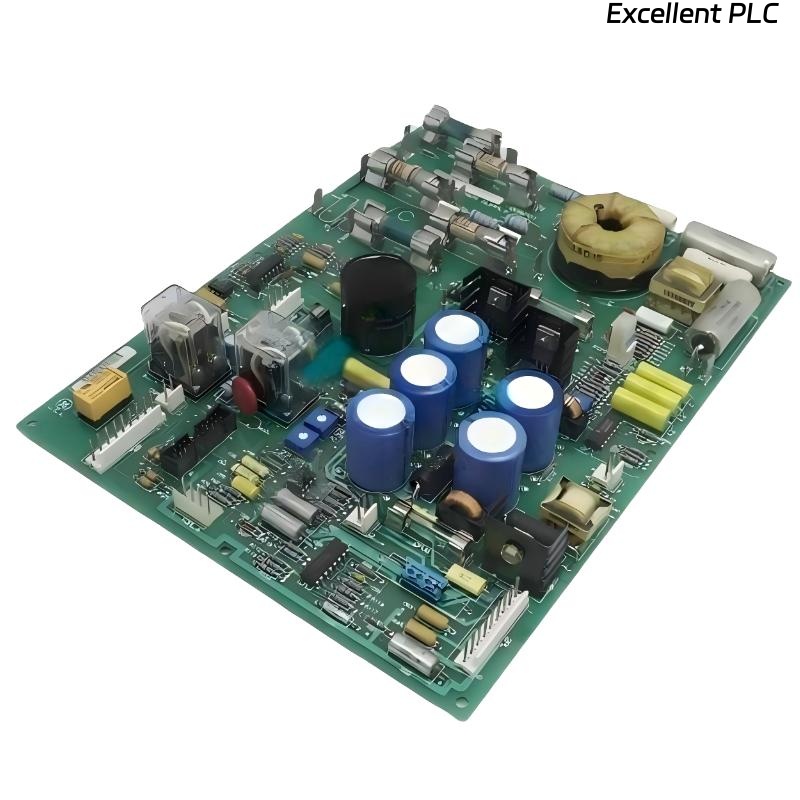
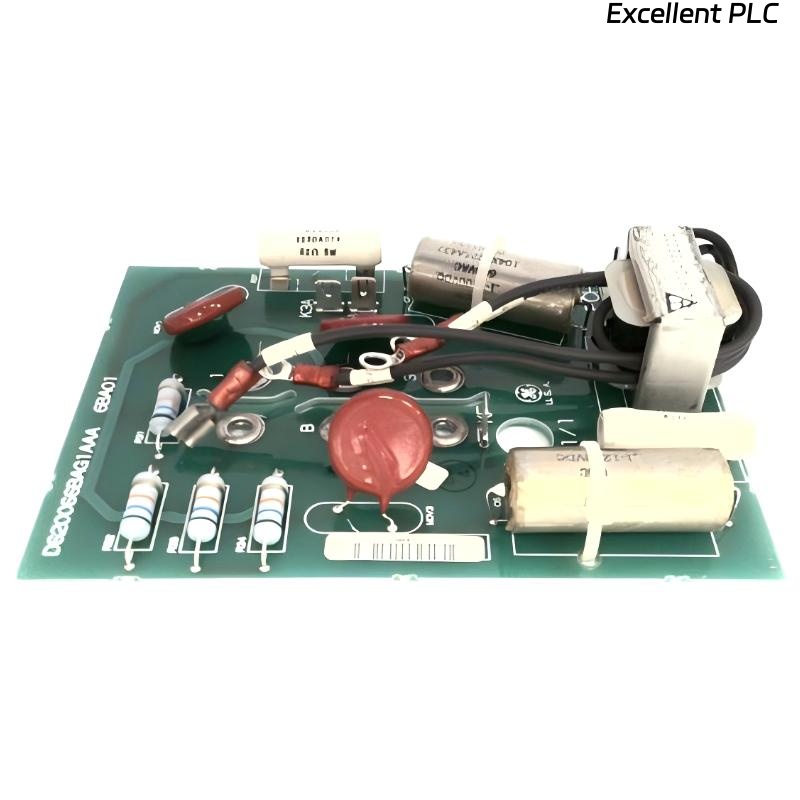
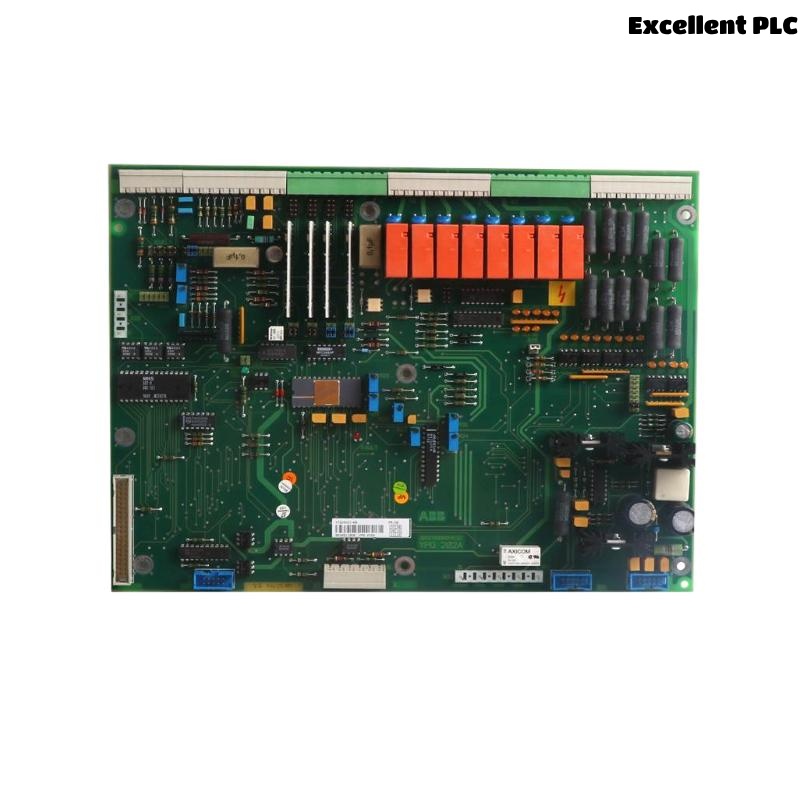
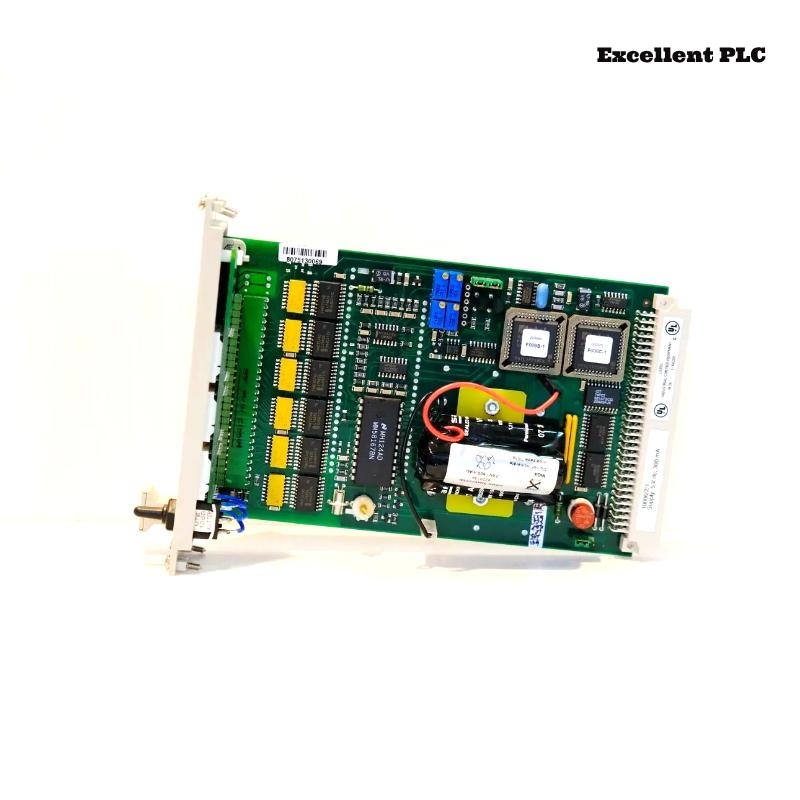
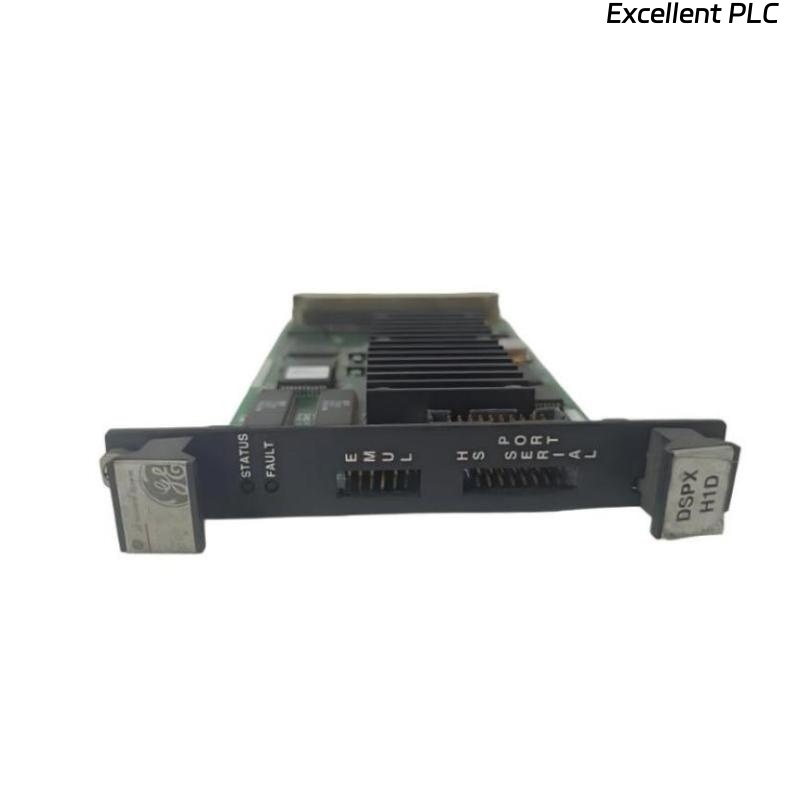
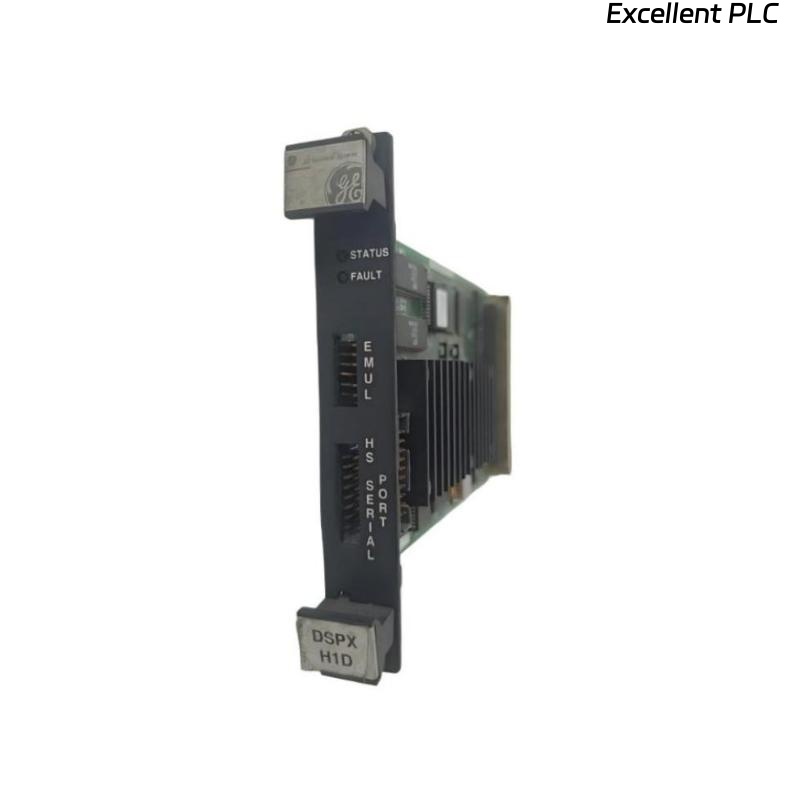
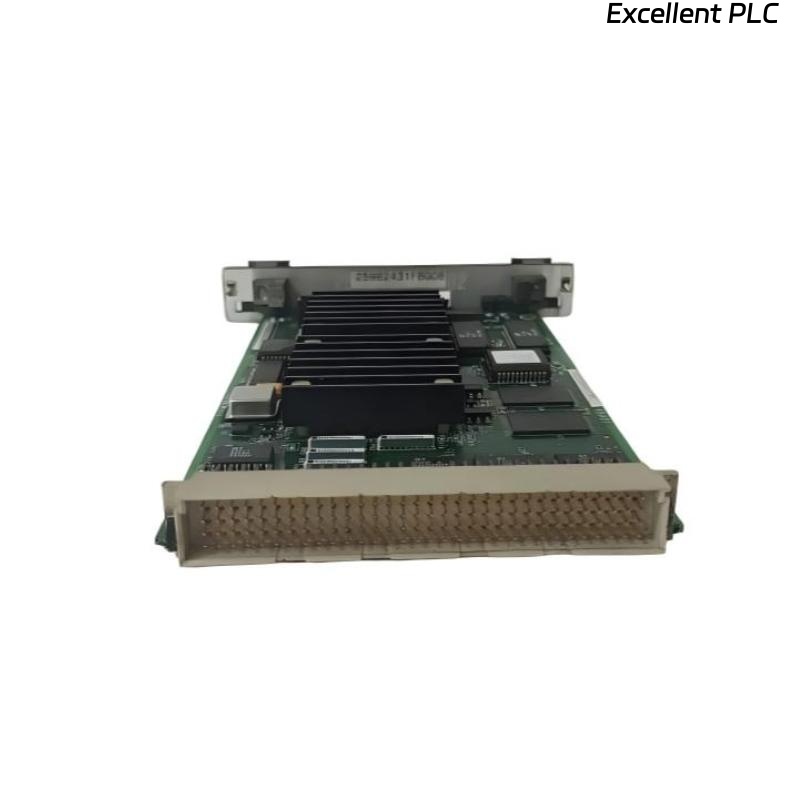
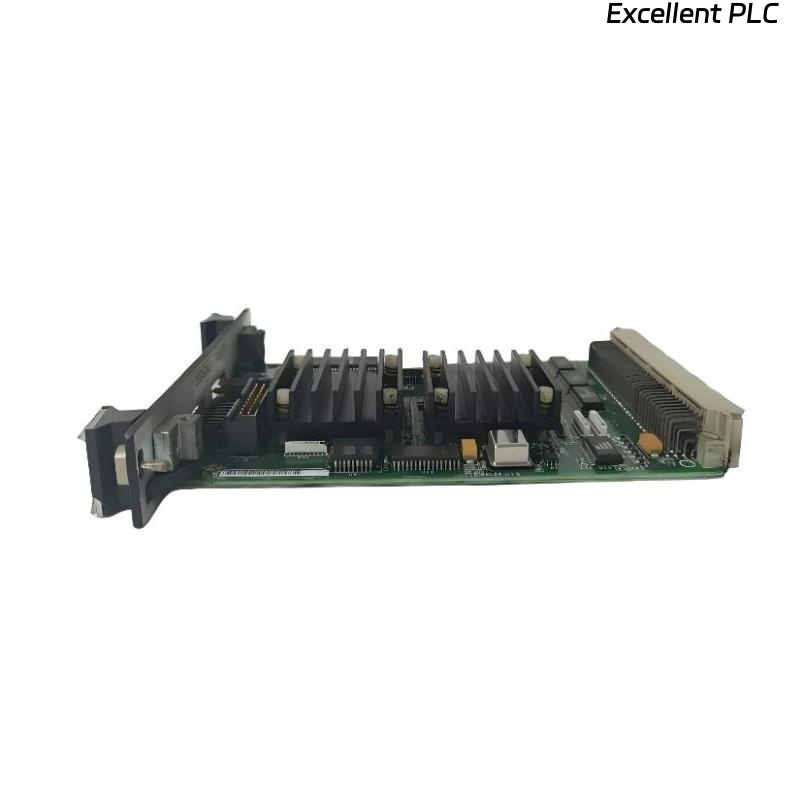
The GE IS200DSPXH1DBC is a digital signal processor module designed to manage high-speed control tasks within Mark VI turbine and industrial drive systems. Unlike general-purpose controller boards, this DSP module focuses on algorithmic execution, rapid loop updates, and synchronized communication with other control layers. In facilities where response time, load adaptation, and precise tuning determine operational safety, the IS200DSPXH1DBC frequently serves as the core processing element.
Technical Specifications & Physical Data
| Specification | Details |
|---|---|
| Brand | GE |
| Model | IS200DSPXH1DBC |
| Module Type | Digital Signal Processor Module |
| Primary Function | Real-time control execution, data coordination, loop management |
| System Compatibility | Mark VI turbine & drive control platforms |
| Processing Core | High-speed DSP architecture |
| Communication Interfaces | Mark VI backplane bus, peripheral signal paths |
| PCB Construction | Reinforced industrial-grade coating |
| Dimensions (L × W × H) | 218 mm × 139 mm × 34 mm |
| Weight | 0.81 kg |
| Operating Temperature | –20°C to +70°C |
| Mounting Style | Rack-mounted, keyed connector alignment |
Application Highlights
The IS200DSPXH1DBC is a critical component in real-time environments where precise computational timing directly impacts system stability. Key applications include:
-
Turbine combustion, fuel, and compressor control loops
-
Industrial drive modulation and torque regulation
-
Converter PWM timing coordination
-
Condition monitoring interfaces requiring high-frequency sampling
-
System upgrades replacing earlier DSPXH variants
In these scenarios, the DSP maintains deterministic processing cycles, ensuring that downstream protection, actuation, and feedback systems remain synchronized.
Advantages for Industrial Operation
This module excels in applications that demand computation under changing operating loads. Its DSP core provides consistent cycle timing with minimal jitter, which reduces instability in power converters and turbine actuators. The board’s robust physical design also tolerates thermal stress and continuous operation, making it a dependable choice for long-term installations. Additionally, its streamlined diagnostic behavior simplifies troubleshooting when abnormal system response is detected.