Excellent PLC



Product Introduction
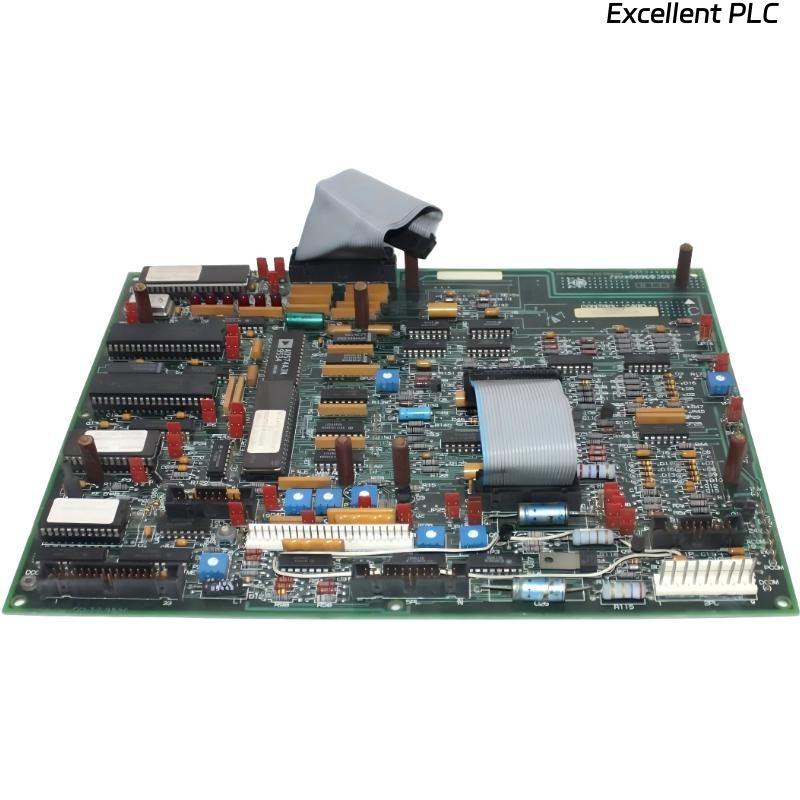
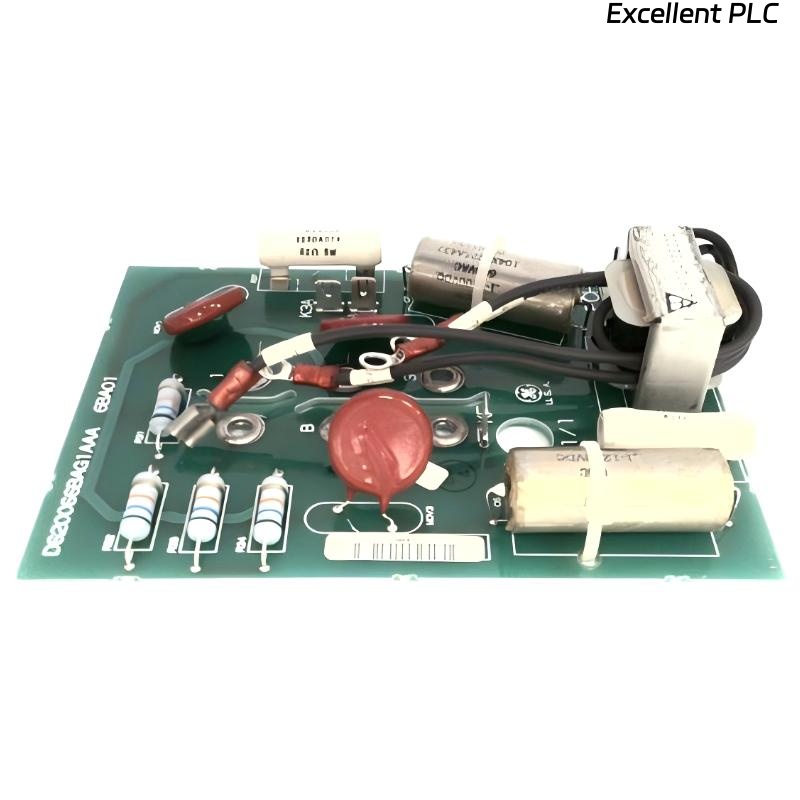
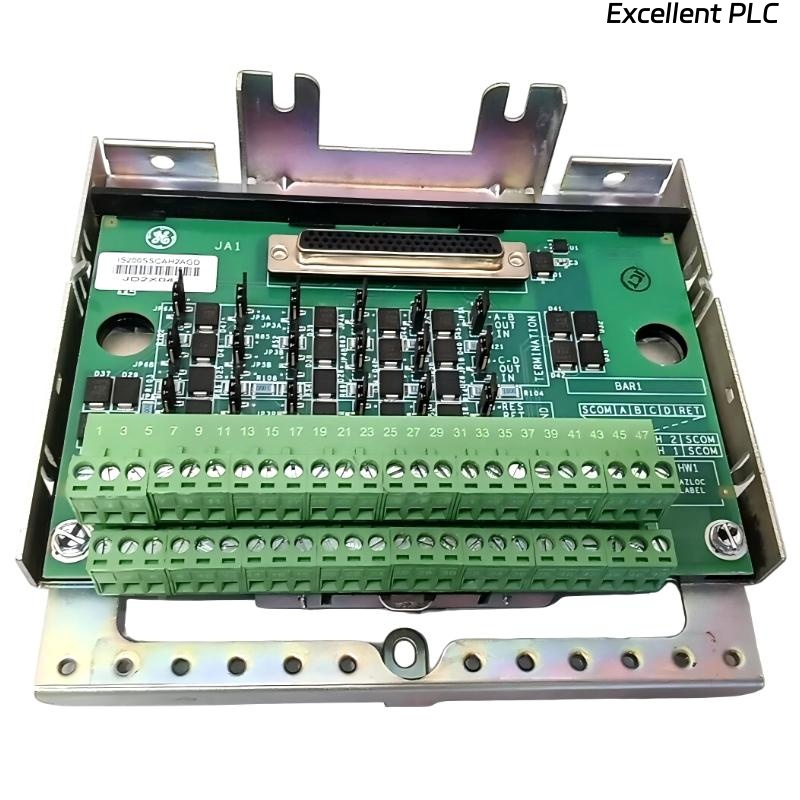
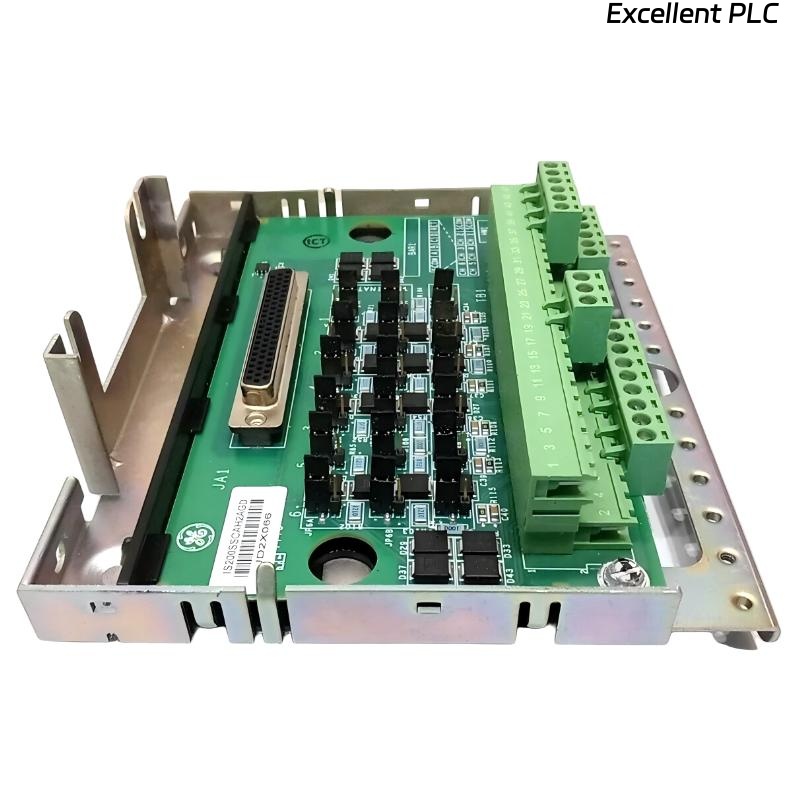
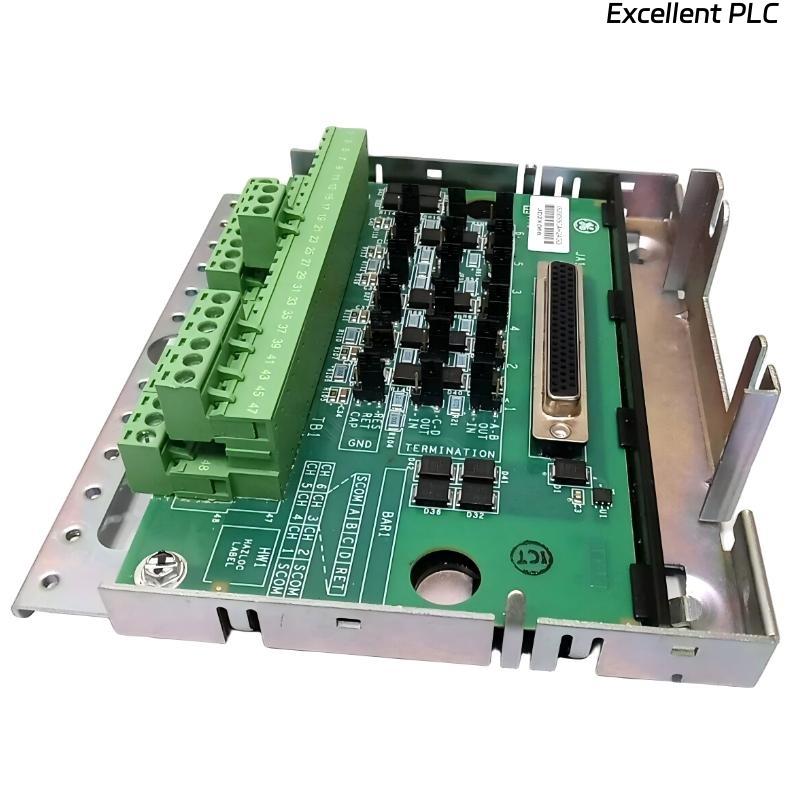
The GE IS200SSCAH2AGD Serial Communication I/O Terminal Board is a specialized serial communication interface board designed for GE industrial control systems. It provides a stable and structured termination platform for serial communication signals between control processors, I/O packs, and external communication devices.
This terminal board plays a key role in serial data exchange, supporting reliable transmission and reception of communication signals in complex control architectures. Its industrial-grade design ensures dependable performance in environments such as power generation, turbine control, and heavy industrial automation, where communication stability is critical to system operation.
With a compact yet robust construction, the IS200SSCAH2AGD simplifies wiring, enhances signal integrity, and improves maintainability within GE control cabinets.
Product Specifications
| Parameter | Description |
|---|---|
| Product Type | Serial Communication I/O Terminal Board |
| Function | Serial signal termination and routing |
| Signal Type | Serial communication signals |
| System Compatibility | GE industrial control systems |
| Application Role | Interface between serial devices and control modules |
| Mounting Method | Panel-mounted terminal board |
| Dimensions | 160 × 110 × 30 mm |
| Weight | 0.4 kg |
Applications
• Serial communication interfaces within GE control systems
• Turbine control systems, supporting reliable data exchange
• Power generation facilities, integrating serial devices and controllers
• Industrial automation cabinets, providing organized serial signal termination
• Communication expansion or replacement projects in existing GE platforms
• High-reliability control environments, where stable communication is essential
Advantages
• Dedicated serial communication interface, ensuring clean and reliable signal routing
• Organized terminal layout, simplifying wiring and troubleshooting
• Industrial-grade construction, suitable for continuous operation
• Compact form factor, optimizing control cabinet space
• Improved signal integrity, reducing communication errors
• Seamless integration with GE systems, minimizing configuration complexity