Excellent PLC


1. Field Introduction – Engineer’s Log Entry
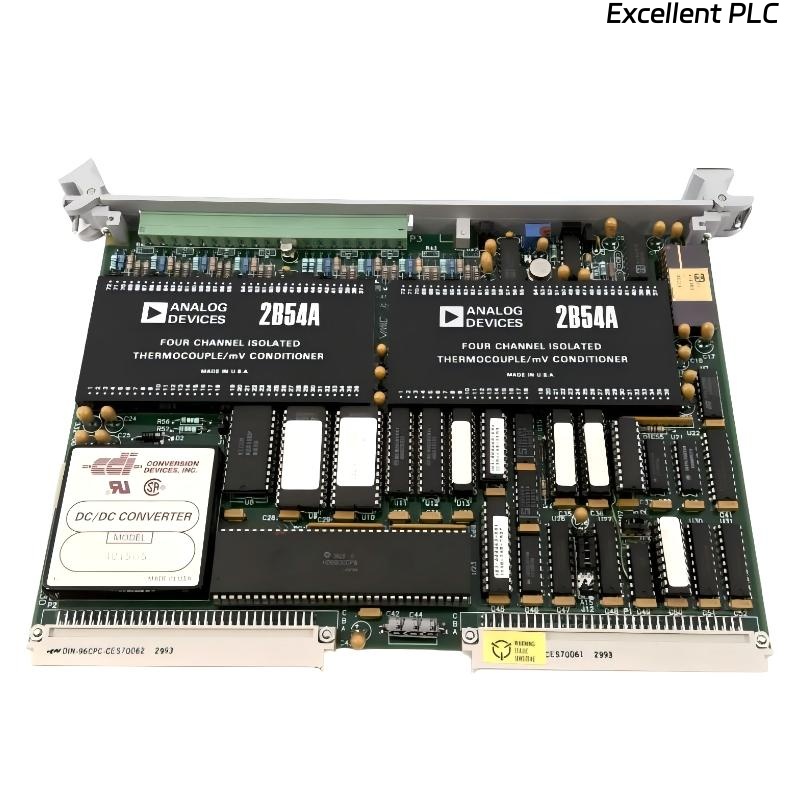
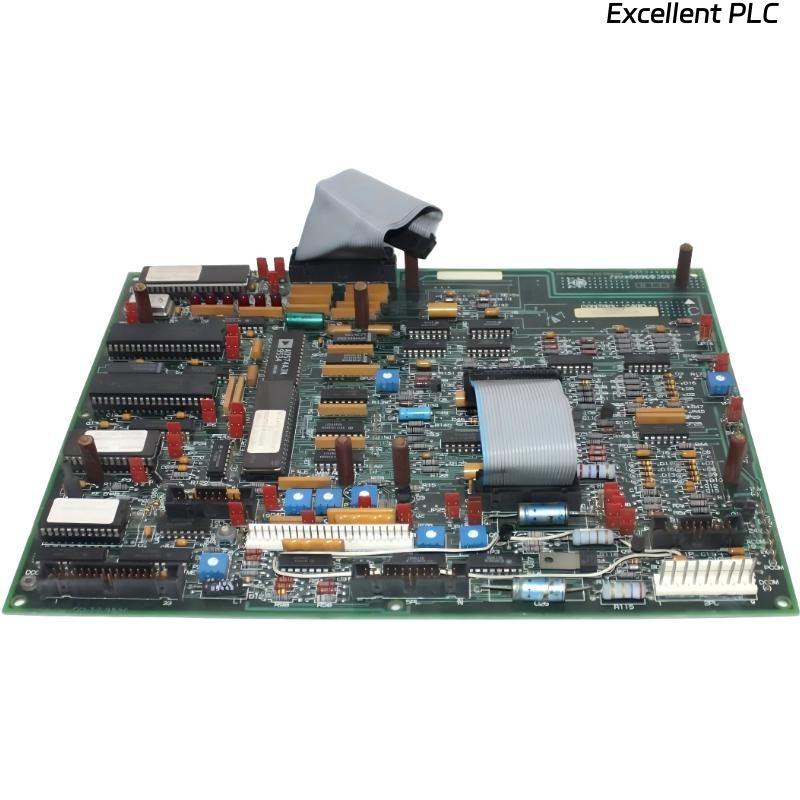
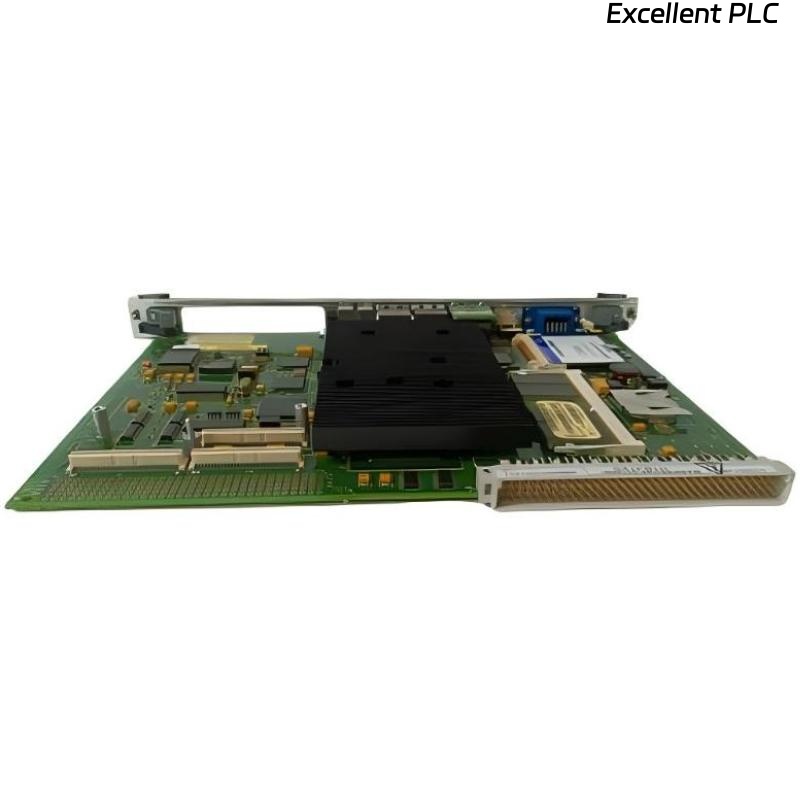
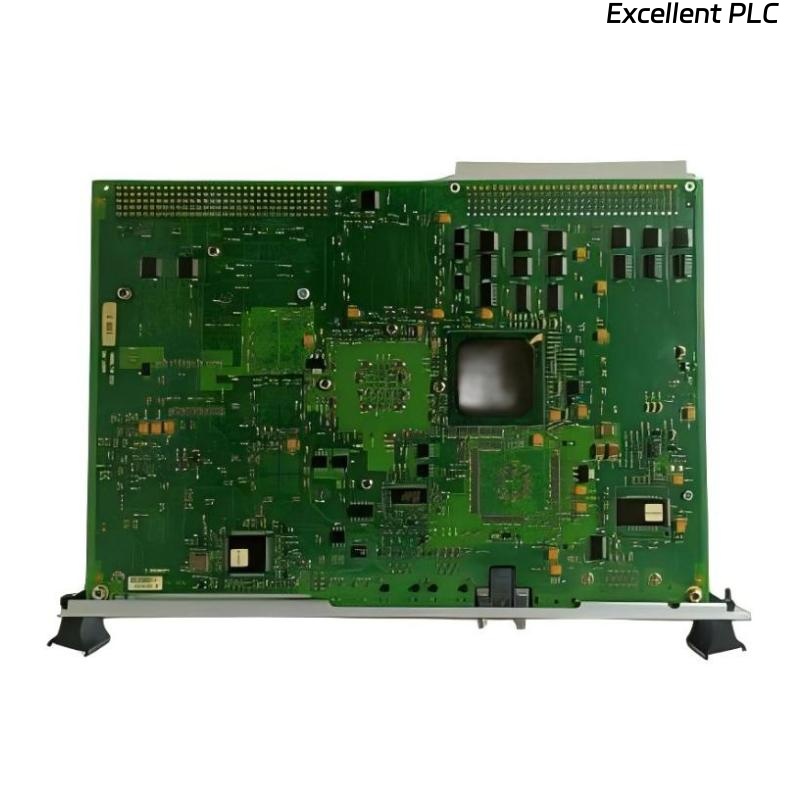
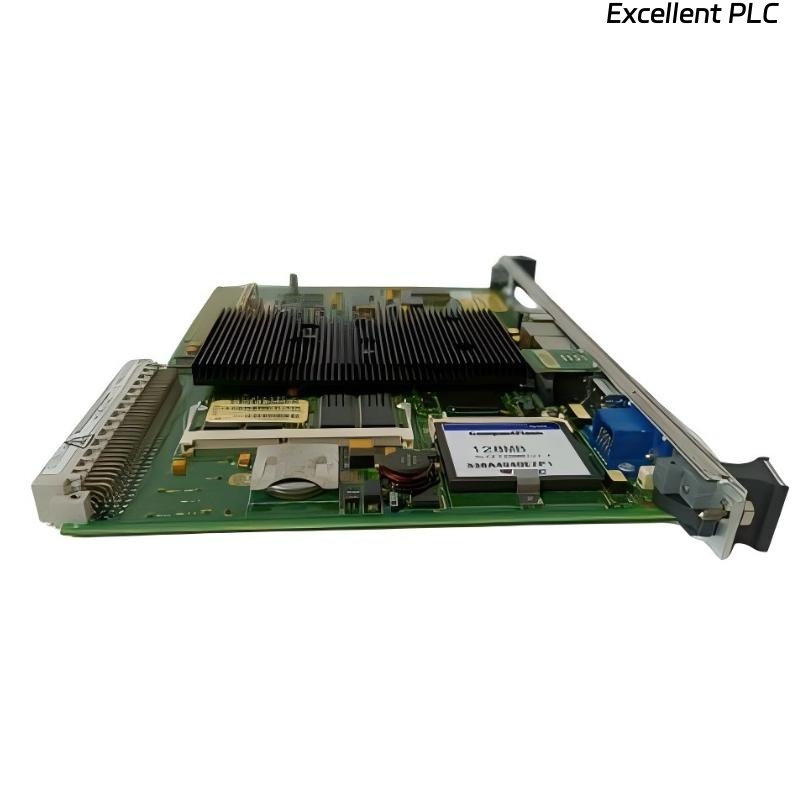
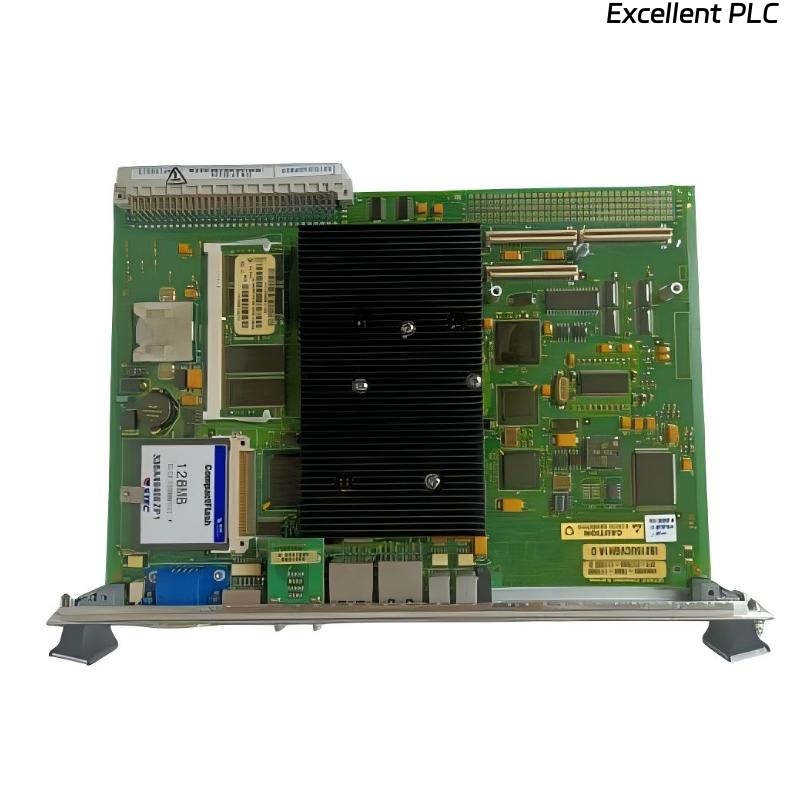
During commissioning phases for GE Mark VI and Mark VIe turbine control systems, the IS215UCVGM06A and IS215UCVGH1A processor modules frequently appear as key computational units. They manage logic execution, system synchronization, internal diagnostics, and interface with multiple high-speed control networks.
From field experience, these modules are valued not only for their raw processing capability but also for their predictable response timing—something critical when dealing with gas turbine fuel systems, servo positioning, and vibration protection logic.
Below is the detailed technical record compiled for practical deployment and system integration reference.
2. Technical Specifications (Engineering Summary Sheet)
| Parameter | IS215UCVGM06A / IS215UCVGH1A Specification |
|---|---|
| Manufacturer | GE Industrial / GE Energy |
| Module Type | Industrial Control Processor Module |
| System Compatibility | Mark VI / Mark VIe platforms |
| Primary Role | CPU for sequencing, diagnostics, network management |
| Processor Level | High-speed embedded industrial CPU |
| Memory Structure | RAM + Non-volatile storage (system + application logic) |
| Network Interfaces | Ethernet + internal control buses |
| Redundancy Support | Yes – supports active/standby pairing |
| Self-Diagnostics | Boot tests, runtime monitoring, watchdog |
| Control Bus Interface | VME / proprietary GE control bus |
| Power Requirements | Supplied via control rack backplane |
| Operating Temperature | 0°C to 60°C |
| Storage Temperature | -40°C to 85°C |
| Humidity | 5–95% non-condensing |
| Dimensions (H × W × D) | 268 mm × 40 mm × 240 mm (10.55 in × 1.6 in × 9.4 in) |
| Weight | approx. 1.05 kg (2.31 lb) |
| Mounting Position | Mark VI / Mark VIe processor rack |
3. Practical Applications – Based on Real Project Use
-
Gas turbine control sequencing
Handles purge cycles, fuel valve modulation, start permissives, speed ramps. -
Steam turbine supervisory logic
Trip solenoid control, valve stroke monitoring, vacuum & seal system integration. -
Load control in combined cycle plants
Manages turbine-generator coordination under varying grid conditions. -
Safety-critical system coordination
Interfaces with protection processors (e.g., TMR architectures). -
High-speed data exchange with I/O networks
Maintains deterministic communication with terminal boards.
4. Advantages (Engineer Perspective)
-
Stable, predictable scan cycle
Important when the slightest delay impacts turbine fuel ratios. -
Redundancy works smoothly
Failover is nearly transparent during tests if configured correctly. -
High tolerance for electrical noise
Field environments near generators are notorious for EMI; these modules handle it well. -
Easy integration with existing Mark VI / Mark VIe frameworks
Minimal adaptation needed when upgrading older units. -
Strong diagnostic capability
Helpful during startup when verifying health of network paths and terminal boards. -
Good long-term reliability
Many units run continuously for years with minimal service events.