Excellent PLC


Product Introduction
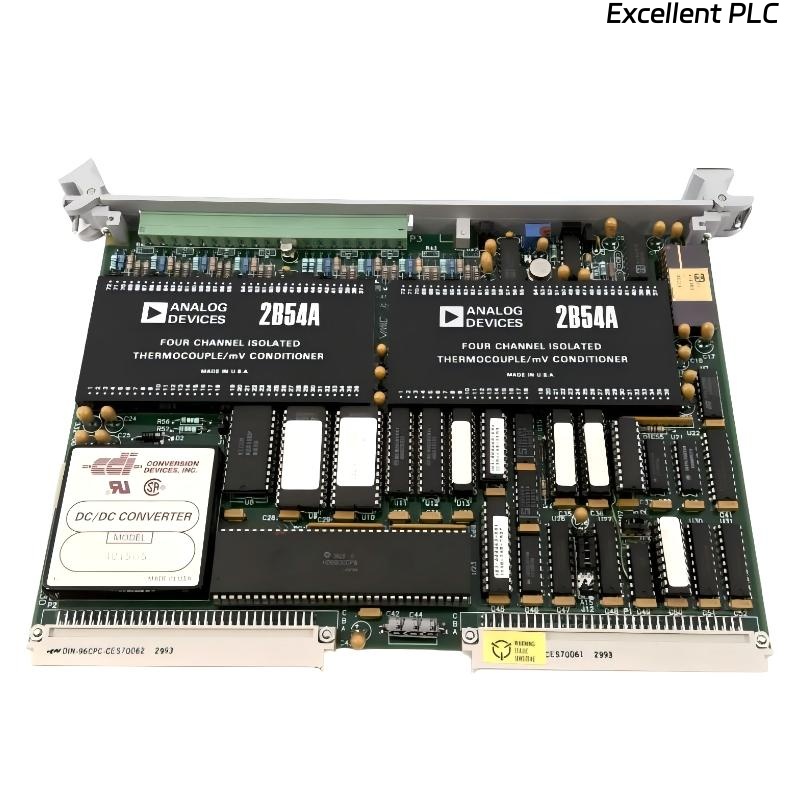
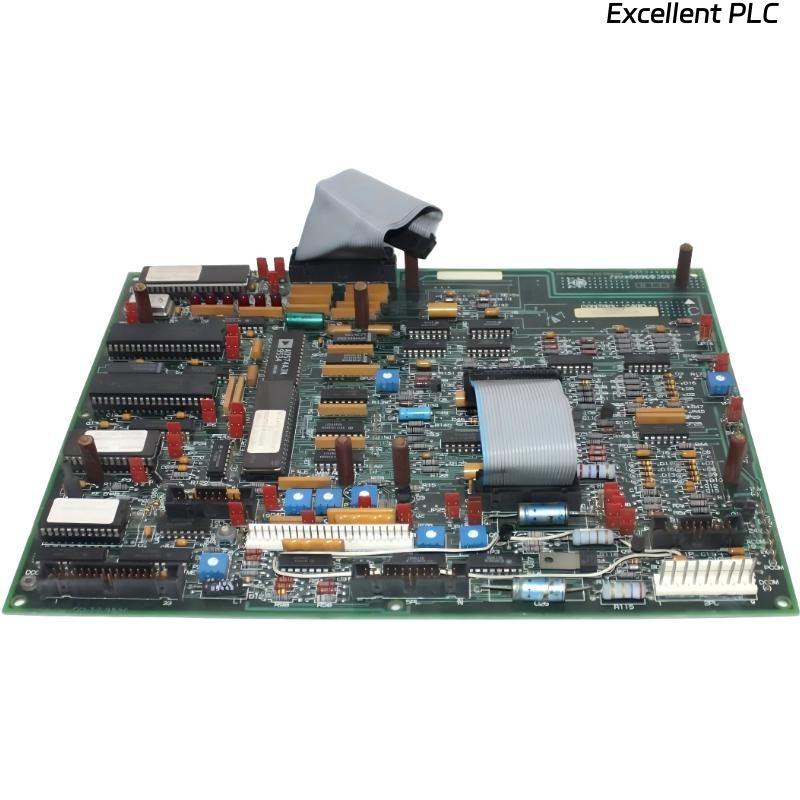
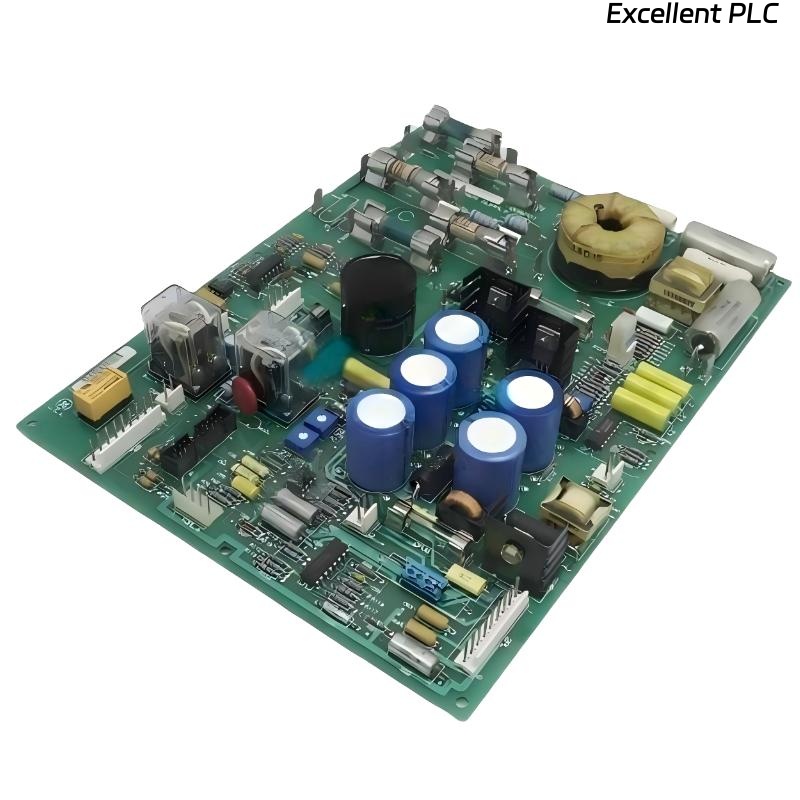
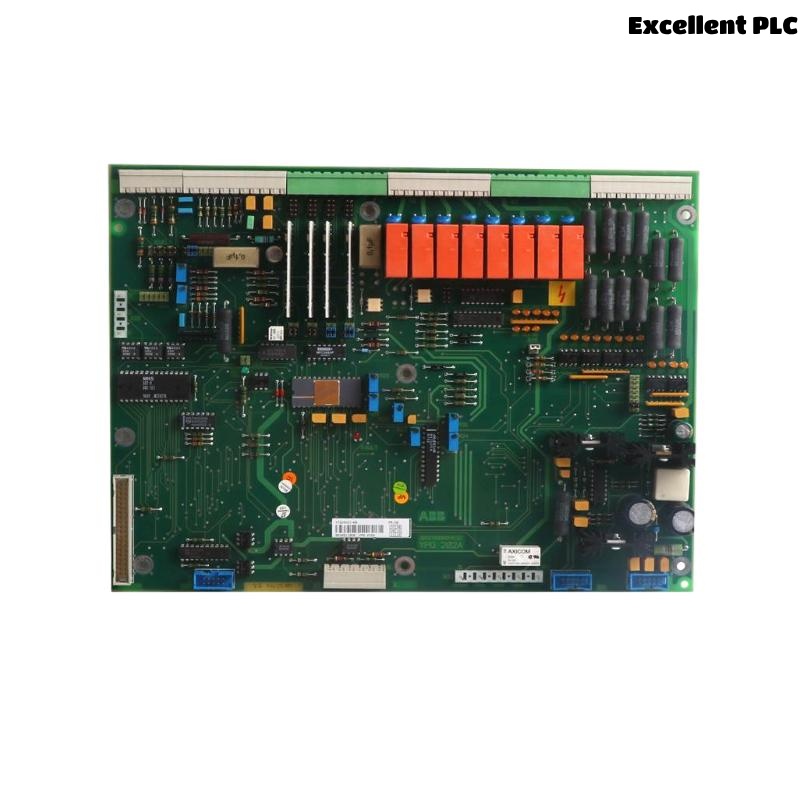
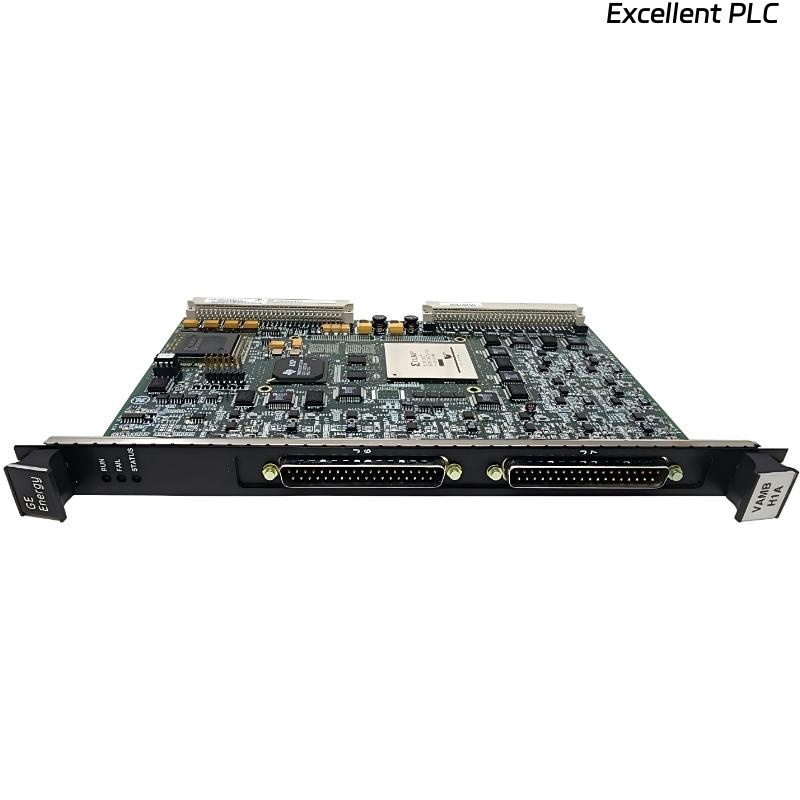
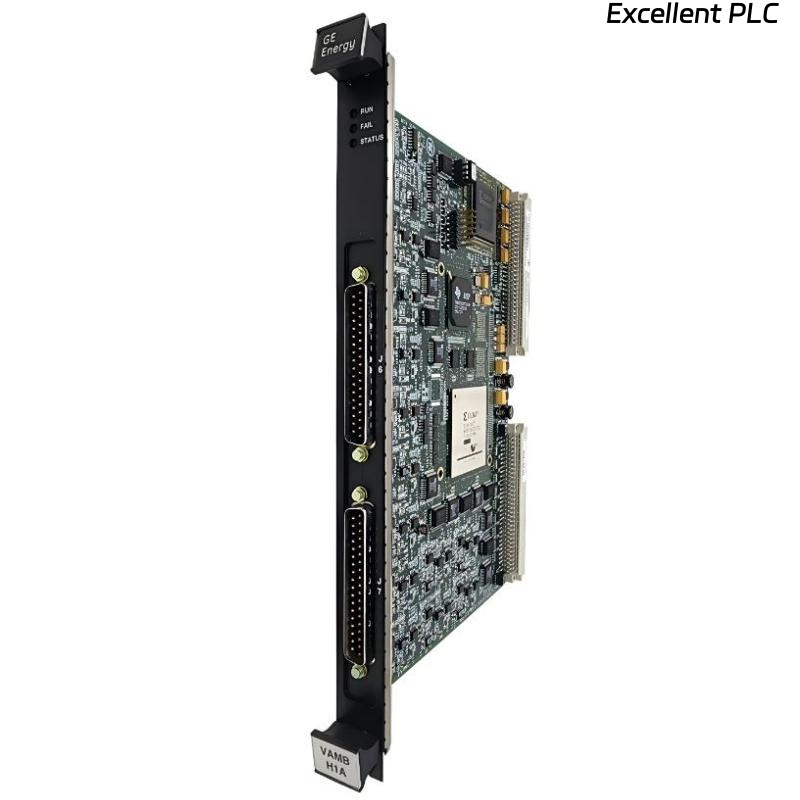
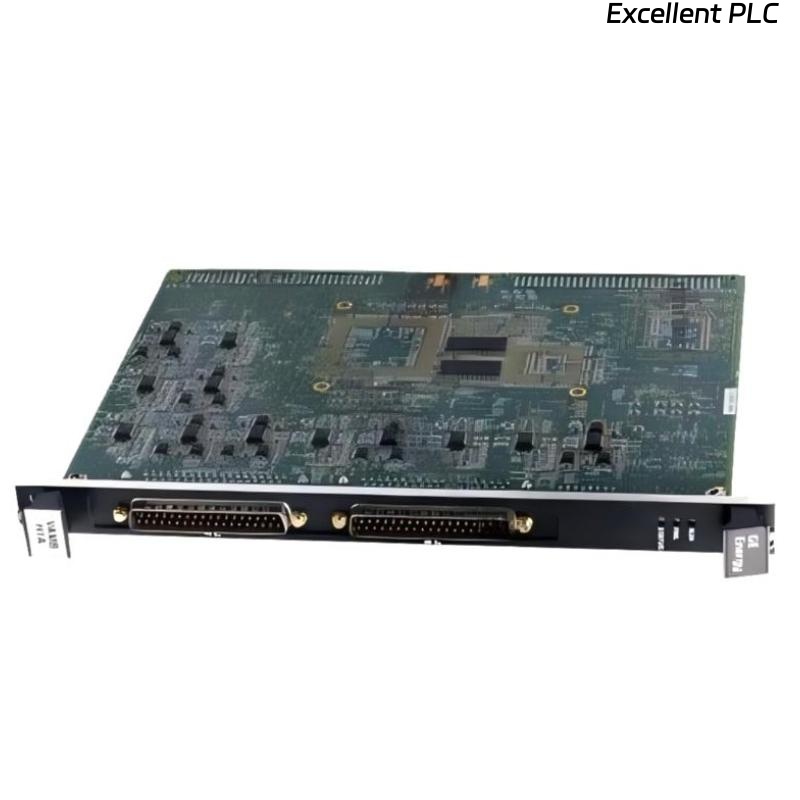
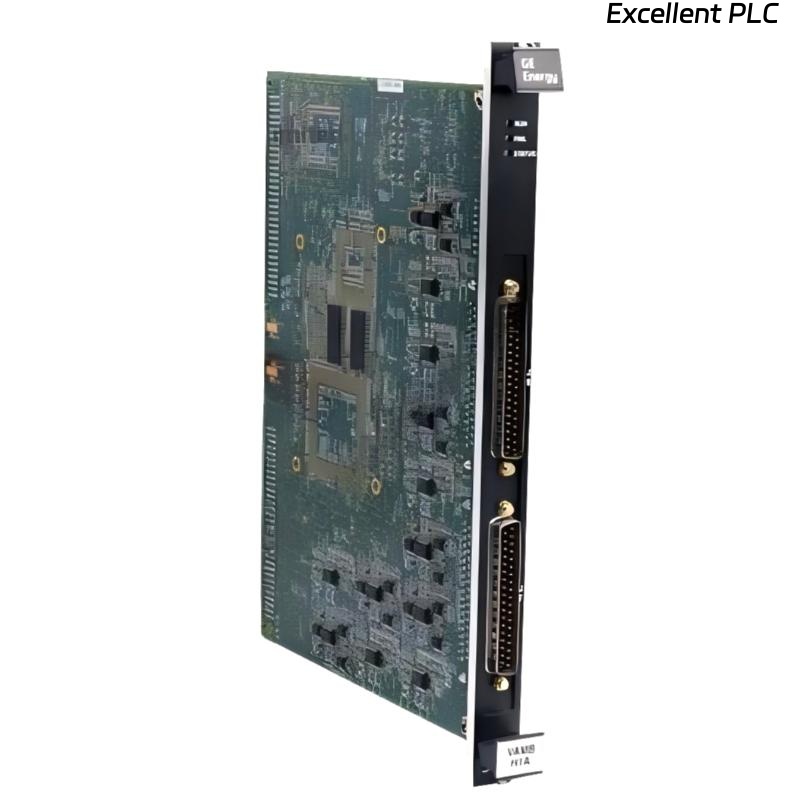
The GE IS215VAMBH1A IS200VSPAH1ACC are Mark VI Acoustic Monitoring Boards, designed for integration within GE’s Mark VI control systems. These boards provide high-precision acoustic signal monitoring, enabling early detection of mechanical anomalies in turbines, generators, and rotating machinery.
By converting acoustic signals into digital data, these modules support advanced condition monitoring and predictive maintenance strategies. Their compact design and robust construction allow reliable installation within Mark VI cabinets, maintaining compatibility with standard VME backplanes and industrial environments.
Product Specifications
| Parameter | Specification |
|---|---|
| Product Series | GE IS200 / IS215 |
| Model Number | IS215VAMBH1A IS200VSPAH1ACC |
| Component Type | Mark VI Acoustic Monitoring Board |
| Function | Acoustic signal acquisition and monitoring |
| Supported Systems | Mark VI Control Systems |
| Communication Type | VME Interface |
| Mounting Type | VME backplane / Rack-mounted |
| Operating Temperature Range | -20 °C to 55 °C |
| Storage Temperature Range | -40 °C to 85 °C |
| Relative Humidity Max | 95% RH |
| Dimensions | 250 × 25 × 150 mm |
| Weight | 0.32 kg |
Applications
• Turbine and generator monitoring, detecting early mechanical faults
• Rotating machinery diagnostics, supporting predictive maintenance programs
• Condition monitoring systems, integrating with Mark VI controllers
• Industrial process monitoring, ensuring operational reliability and safety
• High-speed data acquisition, converting acoustic signals into digital information
• Plant asset management, enabling efficient maintenance planning
Advantages
• High-precision acoustic monitoring, providing accurate early fault detection
• Compact and robust design, suitable for VME backplane installation
• Seamless integration with Mark VI control systems
• Supports predictive maintenance, reducing unplanned downtime and operational risks
• Reliable operation in industrial environments, including high-humidity and temperature variations
• Improved asset management, enabling data-driven maintenance decisions