 Excellent PLC


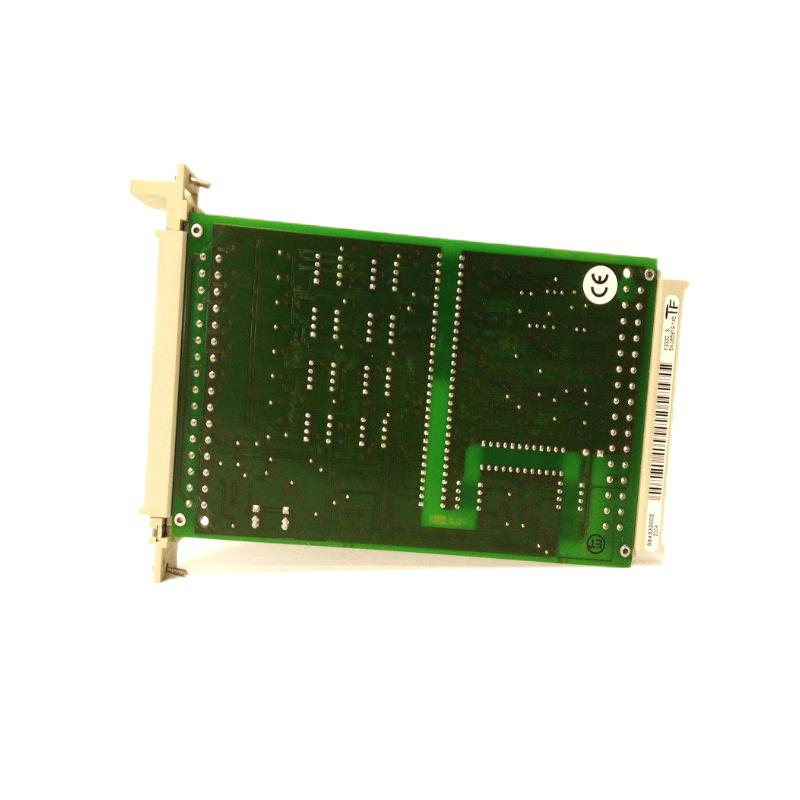
Incident Overview
Operators reported that actuators controlled by the F1201 module operated sluggishly, and voltage measurements at the field device showed an unexpected drop across the relay output.
Symptoms included:
-
Actuator responded slower than expected
-
Voltage at relay output terminal significantly lower than expected under load
-
Module LEDs indicated normal channel operation
-
Issue observed on a single relay channel
Understanding Contact Resistance
Mechanical relay contacts can degrade over time due to:
-
Electrical arcing
-
High inrush currents
-
Contamination or oxidation on contact surfaces
Increased contact resistance reduces current to the load, causing slower actuator response or even failure to operate under marginal supply voltage.
Step 1 – Measure Voltage Drop
1. Measure voltage across relay contacts with load energized.
2. Compare against expected coil rating and supply voltage.
3. Check continuity resistance if possible.
In this case, the measured voltage drop was ~1.2V, higher than normal, confirming elevated contact resistance.
Step 2 – Inspect for Mechanical or Electrical Degradation
Observations may include:
-
Slight pitting or discoloration on contact surfaces
-
Soot or burn marks
-
Reduced mechanical bounce or sluggish operation
This aligns with historical high inrush loads without proper suppression.
Step 3 – Load Verification
– Temporarily reduce load current to confirm proper operation.
– Observe if voltage drop and sluggish behavior disappear.
– Document findings for replacement planning.
Reduced load restored normal actuator response, confirming the contact itself was the limiting factor.
Root Cause
-
Repeated high inrush events from inductive loads caused micro-arcing
-
Oxidation and wear increased the contact resistance
-
Undersized coil voltage margins amplified the effect
Corrective Action
– Replace the F1201 module (contacts not field-repairable).
– Add suppression devices (RC snubber or flyback diode) on inductive loads.
– Ensure supply voltage within rated limits.
– Verify all relay outputs for voltage drop after replacement.
After module replacement and suppression installation, voltage drop was eliminated, and actuators responded normally.
Preventive Engineering Recommendations
-
Limit load inrush current with appropriate suppression.
-
Periodically inspect and measure relay voltage drop for high-use channels.
-
Avoid operating at maximum rated voltage with marginal load capacity.
-
Consider solid-state relays for frequently switched inductive loads.
Conclusion
Elevated contact resistance in a Black Horse F1201 relay channel reduces current to the load and can impair actuator response. Voltage measurement across relay contacts and load testing effectively diagnose the issue, while replacement combined with proper load suppression prevents recurrence in Planar F systems.