 Excellent PLC


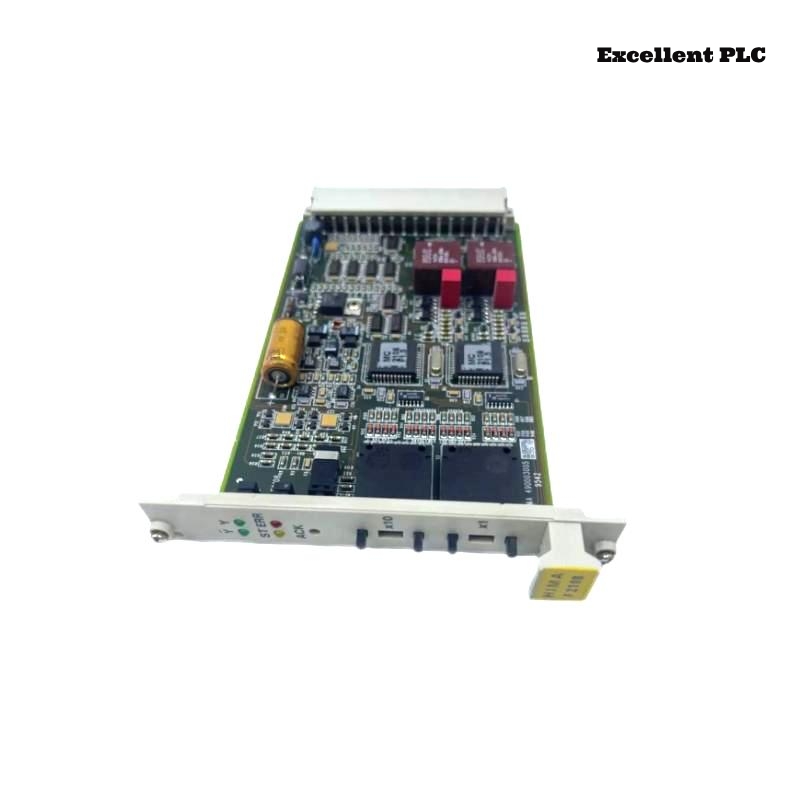
The HIMA F 2108 is one of those modules engineers think they understand—until they don’t.
On paper, it is powerful.
Multiple delay modes.
Selectable timing behavior.
Adaptable to different safety scenarios.
In practice, it is often the module that exposes unclear thinking.
Multifunction Means Multiple Interpretations
Unlike single-purpose timer modules, the F 2108 invites choice.
On-delay.
Off-delay.
Pulse shaping.
Conditional delay behavior.
Each option seems reasonable in isolation.
The danger appears when engineers assume everyone shares the same mental model of what those choices mean.
They rarely do.
The First Misuse: Solving Symptoms Instead of Causes
In incident reviews, the F 2108 often appears late in the story.
An interlock becomes unstable.
A shutdown feels too aggressive.
An operator complains.
The response is not to revisit the safety concept—but to “adjust the delay logic.”
The F 2108 accommodates that decision effortlessly.
And that is precisely the problem.
Timing Logic Is Not Self-Documenting
Six months after commissioning, very few people remember why a specific delay mode was chosen.
They remember only that “changing it causes trouble.”
This is where multifunction delay modules quietly accumulate risk.
The logic works—but the intent fades.
When troubleshooting starts years later, engineers reverse-engineer behavior instead of understanding design.
When More Options Reduce Clarity
Flexibility has a cost.
Each added timing option increases:
-
interpretation risk
-
testing complexity
-
dependency on individual expertise
The F 2108 assumes disciplined engineering and strong documentation.
Where those are missing, it becomes a liability rather than an asset.
Field Reality: Delays Used as Social Contracts
In many plants, delay settings function as informal agreements.
“Give operations a bit more time.”
“Don’t trip during startup.”
“Let maintenance finish their step.”
These are social needs—not safety requirements.
The F 2108 can encode them—but it does not validate them.
Once implemented, these compromises become indistinguishable from original safety intent.
Aging Systems Expose Multifunction Assumptions
As plants age, operating modes expand.
Startups become more frequent.
Process windows narrow.
Maintenance windows shrink.
The delay logic that once seemed reasonable begins to misalign with reality.
The F 2108 does not adapt.
It enforces yesterday’s assumptions with today’s conditions.
Why Replacement Rarely Changes Behavior
When timing-related faults occur, replacing the F 2108 is rarely effective.
Because the module is not misbehaving.
It is doing exactly what it was told to do—years ago, by someone who is no longer there.
Hardware swaps do not restore lost intent.
How Experienced Teams Use the F 2108 Differently
Mature engineering teams treat the F 2108 cautiously.
They:
-
limit the number of active delay modes
-
document why each delay exists
-
revisit timing logic during lifecycle reviews
They understand that flexibility without discipline degrades into fragility.
A Hard-Learned Lesson
After reviewing multiple safety incidents across different plants, one pattern stands out:
The most dangerous timing logic is the one that “seemed reasonable at the time.”
The F 2108 makes it easy to implement reasonable ideas.
It also makes it easy to forget why they were made.
As one incident investigator once put it:
“The delay didn’t fail.
Our memory did.”