 Excellent PLC


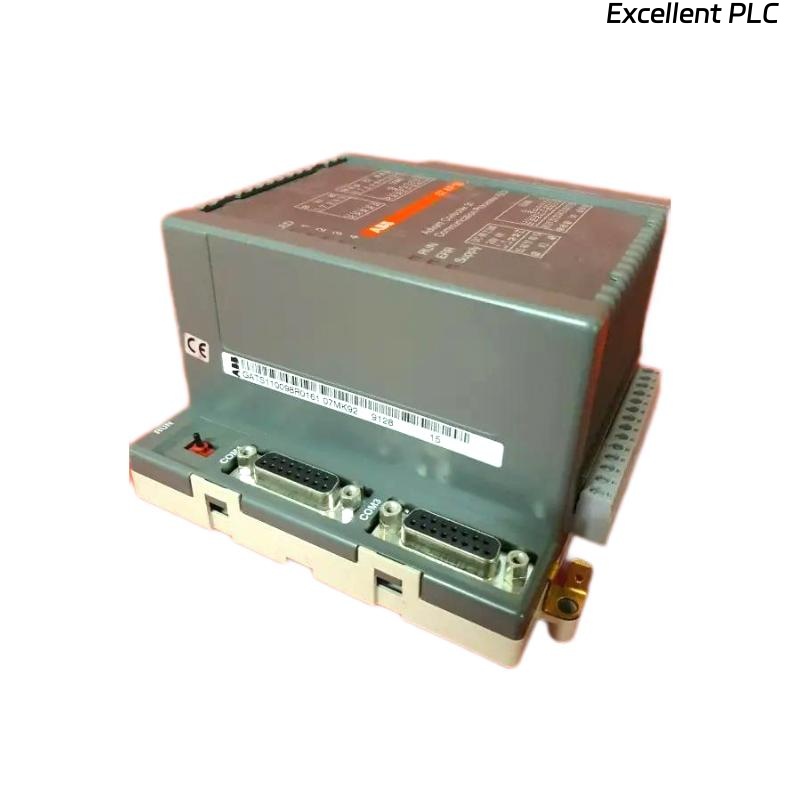
The ABB 07 EA 62 R1 (GJV3074352R1) is a widely used analog input module in ABB automation systems. If the module is not working properly, it can affect signal acquisition, control accuracy, and overall system stability. This guide outlines a systematic troubleshooting approach to help engineers quickly identify and resolve common issues.
1. Check Power Supply and Module Status
Start with basic hardware verification:
-
Confirm that the power supply voltage meets ABB specifications.
-
Ensure the module is correctly seated in the rack or base unit.
-
Check LED indicators on the module:
-
Power LED OFF → possible power or wiring issue
-
Fault/Error LED ON → internal or configuration problem
-
👉 If no LEDs are active, inspect the backplane connection and power distribution.
2. Verify Wiring and Signal Connections
Incorrect wiring is one of the most common causes of analog input failure.
-
Confirm correct wiring according to the ABB wiring diagram
-
Check for:
-
Loose terminals
-
Broken cables
-
Incorrect polarity
-
-
Ensure signal sources (4–20 mA, 0–10 V, etc.) match the module’s input type
-
Verify proper grounding and shielding to avoid noise interference
3. Check Input Signal from Field Devices
To rule out external device issues:
-
Measure the input signal using a multimeter or signal calibrator
-
Confirm the field device (sensor/transmitter) is:
-
Powered correctly
-
Operating within range
-
-
Test the module using a known good signal source
If the measured signal is correct but not detected by the module, proceed to configuration checks.
4. Review System Configuration and Parameters
Configuration mismatches can prevent the module from reading signals correctly.
-
Verify the module is properly defined in the control system (PLC / DCS)
-
Check:
-
Channel configuration
-
Input type (current or voltage)
-
Scaling and engineering units
-
-
Ensure firmware and system software versions are compatible
⚠️ Incorrect channel assignment or disabled channels can cause apparent “no signal” issues.
5. Inspect Diagnostic Messages and Logs
Most ABB systems provide diagnostic tools:
-
Check system logs for:
-
Module communication errors
-
Channel faults
-
Overrange or underrange alarms
-
-
Use ABB engineering software to monitor real-time input values
These diagnostics often point directly to the root cause.
6. Perform Module and Channel Isolation Tests
To determine whether the fault is module-related:
-
Swap input channels if possible
-
Replace the module temporarily with a known working unit
-
Observe whether the problem follows the module or stays with the wiring/channel
If the issue follows the module, hardware failure is likely.
7. Check Environmental and Operational Conditions
Environmental factors can impact analog input performance:
-
Ensure operating temperature and humidity are within ABB specifications
-
Look for:
-
Excessive vibration
-
Electrical noise from nearby equipment
-
-
Inspect for visible damage or signs of overheating
8. When to Replace or Repair the Module
If all checks above fail:
-
The ABB 07 EA 62 R1 (GJV3074352R1) module may have an internal fault
-
Consider:
-
Replacement with a new or tested spare
-
Repair or evaluation by an ABB-certified service provider
-
Conclusion
Troubleshooting an ABB 07 EA 62 R1 analog input module requires a structured approach—from power and wiring checks to configuration and diagnostics. By following these steps, engineers can quickly isolate the issue, minimize downtime, and restore reliable system operation.
For critical systems, keeping a tested spare module is strongly recommended.