 Excellent PLC


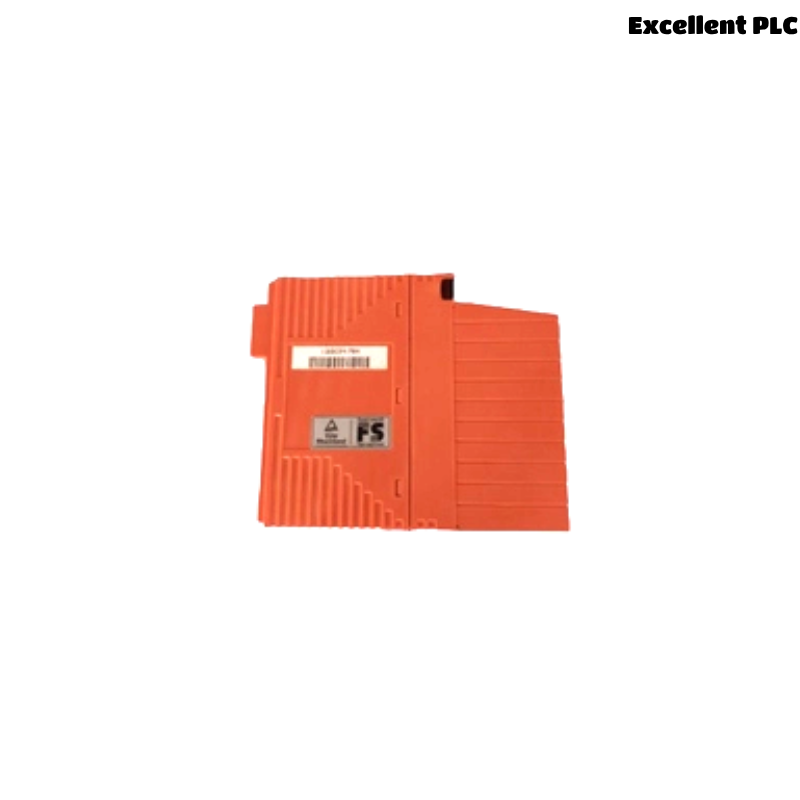
The Yokogawa SAI143-H63/A4S00 analog input module is straightforward on paper, yet in real systems its behavior is strongly shaped by how it is installed.
Most long-term reliability issues attributed to “bad analog readings” can be traced back to decisions made during installation, not to the module itself.
Experienced Yokogawa engineers tend to approach the installation as a signal-integrity exercise rather than a mechanical task.
Before the Module Ever Touches the Rack
Well before the SAI143 is inserted, the surrounding conditions already matter.
The backplane slot should be treated as a signal interface, not just a mounting location.
Dust, oxidation, or slight deformation of guide rails can introduce contact inconsistencies that later show up as drifting values or intermittent noise.
Power stability is also quietly decisive.
The module may initialize correctly even with marginal supply quality, but long-term accuracy depends on clean and repeatable reference conditions.
Mechanical Installation Is About Alignment, Not Force
When inserting the SAI143-H63/A4S00, the goal is electrical symmetry, not speed.
The module should slide in smoothly and seat evenly.
Any resistance usually indicates misalignment rather than stiffness.
Forcing the module rarely causes immediate failure, but it often compromises contact quality in ways that are hard to diagnose later.
Seasoned engineers often reseat the module once after initial insertion—not because it is required, but to ensure consistent contact across the connector.
Field Wiring: Where Most Problems Are Born
The SAI143 does not create noise—it reveals it.
Installation quality of the analog wiring determines whether the module operates quietly or becomes a magnet for interference.
Common field observations include:
-
shared cable trays with power circuits
-
shields terminated inconsistently
-
unused pairs left floating
-
commons tied at multiple points
None of these stop the module from working, but all of them reduce measurement margin.
Engineers with long Yokogawa experience usually verify wiring discipline before trusting the first set of readings.
Channel Configuration Is Part of Installation
Although configuration is often treated as a separate step, in practice it completes the installation.
Incorrect assumptions about signal type, range, or reference can make a properly installed module appear defective.
Typical mismatches involve:
-
voltage signals wired into current-configured channels
-
incorrect range scaling inherited from previous projects
-
reference selection not matching field wiring
The module does exactly what it is configured to do—even if that makes no sense for the connected signal.
Initial Power-Up Is an Observation Phase
After installation, experienced engineers rarely rush to validate values immediately.
They watch for:
-
stabilization time
-
channel-to-channel consistency
-
behavior during cabinet warm-up
-
response to known reference signals
This quiet observation often reveals grounding or wiring issues before they evolve into operational problems.
Why Analog Modules Get Blamed Unfairly
The SAI143-H63/A4S00 has a long service life when installed thoughtfully.
When problems appear months later, the module is often blamed simply because it is where the signal becomes visible.
In reality, most issues originate elsewhere—wiring, grounding, environmental changes, or system expansion.
Veteran engineers learn to read the module’s behavior as a diagnostic clue rather than a verdict.
A Practical Yokogawa Perspective
From years of field experience, the most useful way to think about installing the SAI143 is this:
-
installation defines signal quality
-
analog accuracy is fragile by nature
-
the module reflects the discipline of the system around it
As one senior Yokogawa engineer summarized it:
“If you respect the signal during installation, the SAI143 will take care of the rest for years.”