 Excellent PLC


1. Introduction
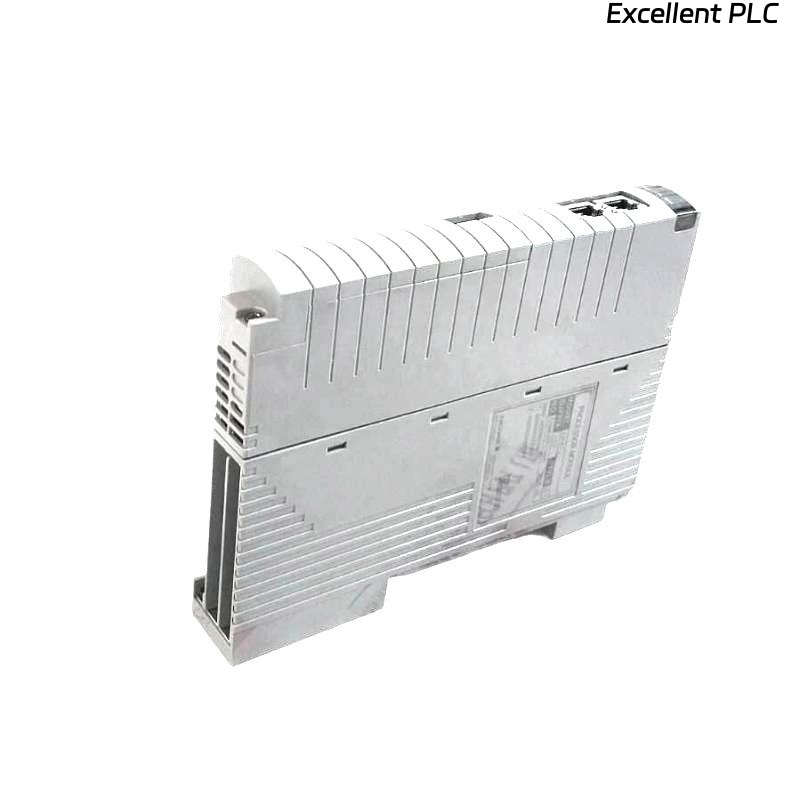
Intermittent controller reboots are among the most difficult automation faults to diagnose, especially when they leave no obvious software error logs. While firmware, power, and networking are often considered first, a significant portion of unexplained system resets originate from physical connector contact failures—particularly in vibration-prone industrial environments. This article examines a failure case involving intermittent reboots of a Yokogawa CP471 module caused by improper connector seating and surface oxidation.
2. Case Context
Plant Type: Steel rolling mill
Equipment: Yokogawa CP471 Processor Module
Mounting Location: Control panel adjacent to mill stand
Environmental Conditions:
-
High ambient vibration
-
Airborne metallic dust
-
28–45°C temperature fluctuations
Operators reported that the controller periodically rebooted without issuing software errors or watchdog failures.
3. Observed Symptoms
SCADA logs captured periodic loss of controller heartbeat:
Event durations were short—typically 3–8 seconds—causing:
✔ PID loops to freeze
✔ IO modules to enter fallback mode
✔ Alarm bursts on HMI
✔ Production to experience minor but recurring disturbances
No IEC or application-level exceptions were recorded.
4. Diagnostic Challenges
Intermittent hardware faults are notoriously difficult to trace because:
-
They do not trigger firmware or software exceptions
-
They may not reproduce during maintenance windows
-
They are sensitive to thermal cycles and mechanical vibration
-
Restart behavior appears “normal” after fault clears
Traditional software troubleshooting often leads nowhere.
5. Root Cause Investigation
A multi-layer diagnostic sequence was performed:
A. Power Supply Evaluation
Voltage levels measured at controller terminals:
| Metric | Expected | Measured |
|---|---|---|
| Voltage | 24VDC | 24.3VDC |
| Ripple | <50mV | 18mV |
| Dropouts | None | None |
Result: Power supply healthy
B. Firmware & Task Diagnostics
-
No watchdog resets
-
No firmware exceptions
-
CPU scan stable (~11ms)
-
Memory utilization normal
Result: No software cause
C. Vibration Profile Measurement
An accelerometer placed on cabinet frame revealed:
| Axis | Vibration Peak |
|---|---|
| X | 4.2 g |
| Y | 3.8 g |
| Z | 5.1 g |
Values exceeded typical electronic cabinet specs (≤1.5–2.0 g).
D. Hardware Inspection
After power-down and module removal, two issues were found:
-
Backplane connector partially unseated
-
Likely loosened over time due to high vibration
-
-
Gold-plated contacts showing microscopic oxidation film
-
Caused intermittent increases in contact resistance
-
When resistance spikes occurred, the CP471 momentarily lost power/communications and rebooted.
6. Failure Mechanism Explained
The failure chain was as follows:
No firmware-level logging occurred because resets were electrical, not software exceptions.
7. Corrective Actions Taken
Technicians applied the following remediation steps:
(1) Full Reseating Procedure
Performed according to IPC-7711/21 guidance:
-
Powered down system
-
Removed CP471
-
Inspected backplane pins
-
Cleaned contacts with isopropyl alcohol and lint-free swabs
-
Applied connector-safe protectant (non-silicone)
-
Reinserted module with full seating force
(2) Anti-Vibration Mounting Enhancements
-
Installed rubber isolation pads under cabinet mounting feet
-
Added internal module retention bracket (OEM accessory)
-
Installed cable strain relief to reduce mechanical load
(3) Environmental Controls
-
Added filtered positive-pressure ventilation
-
Conducted cabinet sealing to reduce metallic dust ingress
8. Preventive Engineering Measures
To avoid similar failures, plants should adopt:
✔ Periodic Connector Reseating Cycles
Recommended interval (high vibration): 12–18 months
Recommended interval (normal environment): 24–36 months
✔ Contact Surface Protection
Use:
-
Contact enhancers
-
Anti-oxidation protectants
-
Non-abrasive cleaning agents
Avoid abrasives that remove gold plating.
✔ Cabinet Vibration Mapping
Perform vibration surveys during:
-
Full production load
-
Maintenance shutdowns
✔ Mechanical Retention Hardware
Options include:
-
Card locks
-
Retention bars
-
Captive screws
-
Isolation grommets
✔ Environmental Control Improvements
Key measures:
-
Positive pressure with filtration
-
Temperature stabilization
-
IP-rated enclosures for dusty environments
9. Key Lessons Learned
-
Intermittent reboots are often mechanical, not software-related.
-
Vibratory environments accelerate connector loosening and oxidation.
-
CP471 hardware was functioning correctly—external mechanical factors caused failures.
-
Preventive maintenance on connectors is essential in heavy industry sectors.
10. Conclusion
The Yokogawa CP471 module’s intermittent reboot issue was ultimately traced to a backplane connector seating fault exacerbated by vibration and mild oxidation. Through proper inspection, reseating, environmental control, and mechanical isolation, the system was restored to stable operation. This case reinforces the importance of integrating mechanical, environmental, and electrical reliability practices when maintaining modern DCS platforms.