 Excellent PLC


By Daniel Ruiz – Maintenance Lead, Process Automation
When we officially took over the system, everyone said the same thing:
“Everything is running fine.”
That should have worried me more than it did.
The System We Inherited
-
Honeywell DCS in continuous operation
-
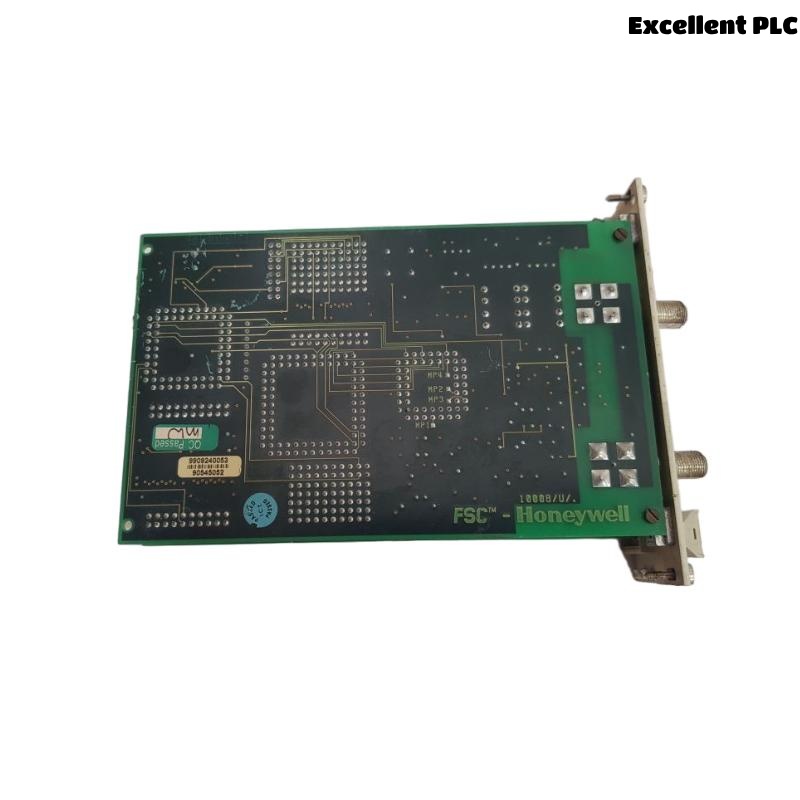
10008/2/U communication module at the core
-
No recent alarms
-
No open fault tickets
But also:
-
No up-to-date documentation
-
No baseline parameter records
-
No explanation for why certain values were set the way they were
The system worked — until it didn’t.
The Slow Decline
Nothing failed overnight.
Instead, we noticed:
-
Communication delays increasing month by month
-
Occasional data mismatches between subsystems
-
Operators restarting stations “just in case”
-
No one remembering when the last change was made
Classic slow-motion failure.
What Was Actually Happening
During routine maintenance, different engineers made small changes:
-
Increased retry counts to “make it more reliable”
-
Extended timeouts to “avoid nuisance alarms”
-
Added extra polling for troubleshooting — and never removed it
Each change made sense in isolation.
Together, they strangled the 10008/2/U.
The Module’s Silent Struggle
The communication module adapted to every request:
-
More retries
-
Longer queues
-
Higher internal buffering
From the outside, it looked stable.
Inside, cycle determinism was gone.
The Turning Point
The first real failure happened during a process upset.
Under high load:
-
Communication responses arrived too late
-
Control actions lagged behind real conditions
-
Operators lost confidence in displayed data
The module didn’t crash.
It hesitated.
And in control systems, hesitation is failure.
Finding the Damage
We compared current parameters against factory-recommended ranges.
What we found was uncomfortable.
No single “wrong” setting — just a thousand small compromises.
How We Recovered Stability
We rolled back to a disciplined baseline:
-
Standardized communication timing
-
Restored priority separation
-
Removed historical troubleshooting changes
-
Documented every deviation
The Honeywell 10008/2/U immediately became predictable again.
What This Experience Taught Me
-
Communication modules age faster in undocumented systems
-
Small parameter changes accumulate real risk
-
Stability requires memory — human memory, not just hardware
-
A “working” system can still be unsafe
Closing Thoughts
The Honeywell 10008/2/U communication module wasn’t abused electrically.
It was abused administratively.
Poor handovers don’t break systems instantly.
They let systems quietly forget how they were meant to work.
— Daniel Ruiz