 Excellent PLC


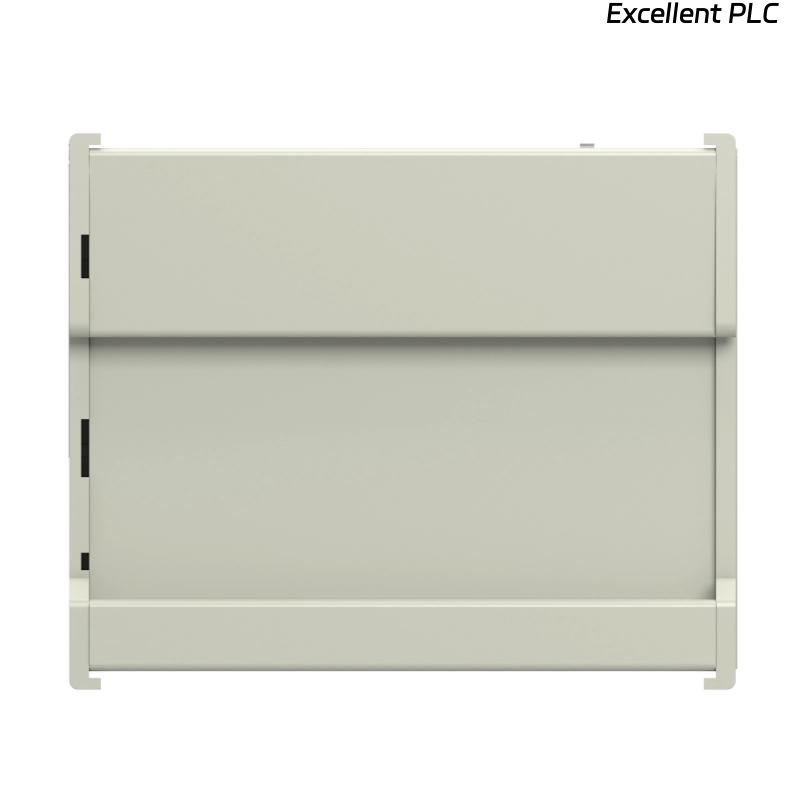
The Schneider ABE7CPA410 connection sub-base is one of those components that rarely draws attention—until it has to be replaced.
On paper, it looks simple: remove, reconnect, restore.
In practice, it sits at a sensitive junction between field wiring and I/O modules, where small mistakes tend to surface later, not immediately.
What follows is not a procedural checklist, but a reflection of how experienced engineers actually approach the replacement.
Why the Sub-base Deserves Respect
The ABE7CPA410 is not an active module, but it directly affects:
-
signal continuity
-
grounding behavior
-
mechanical strain on connectors
-
long-term reliability of I/O interfaces
Because it distributes and stabilizes connections, any error during replacement usually shows up as intermittent faults rather than clean failures.
That makes careful handling more important than speed.
Preparation Starts Before Power Is Removed
Experienced engineers rarely start by pulling the old sub-base out.
First, they observe:
-
how the existing wiring naturally rests
-
which cables are under tension
-
whether any conductors are already stressed or reworked
This mental snapshot becomes critical later, especially when trying to restore strain-free routing.
Documentation helps, but memory of physical layout helps more.
Power Isolation Is Necessary, but Not Sufficient
Yes, the system must be powered down.
But equally important is ensuring that stored energy and residual signals are no longer present.
In mixed systems, it is common to find:
-
external power still feeding field devices
-
shared commons between cabinets
-
reference potentials lingering longer than expected
Replacing the sub-base while assuming “everything is dead” has caused more than one subtle wiring fault.
Removing the Existing ABE7CPA410
When removing the old unit, force should never be required.
Resistance usually indicates:
-
wiring tension
-
misaligned mounting
-
connectors that have been stressed over time
Pulling against that resistance transfers stress directly into terminals and conductors—damage that may not be visible immediately.
Experienced engineers relieve wiring strain first, then remove the sub-base calmly.
Installing the New Sub-base: Alignment Over Pressure
The new ABE7CPA410 should seat naturally.
If alignment is correct, the unit almost installs itself.
If pressure is needed, something is wrong.
Common causes include:
-
bent mounting rails
-
uneven cabinet surfaces
-
cables pushing the unit out of plane
Correcting alignment takes longer than forcing installation, but it prevents long-term connector fatigue.
Reconnecting Wiring: One Decision at a Time
This is where most future problems are created—or prevented.
Best field practice focuses on:
-
restoring natural cable routing, not just correct terminals
-
avoiding sharp bends near terminals
-
ensuring consistent torque across connections
-
keeping signal and power wiring disciplined
Even when wiring labels are correct, careless reconnection can introduce micro-movement that later becomes intermittent contact.
Grounding and Reference Integrity
The ABE7CPA410 plays a quiet role in reference stability.
After replacement, experienced engineers always re-check:
-
ground continuity
-
shield termination consistency
-
unintended ground loops
Many “mystery” I/O issues after sub-base replacement trace back to grounding assumptions that changed subtly during reconnection.
Post-Replacement Validation Is Not Instant
A successful power-up is not the end of the job.
Seasoned engineers observe the system through:
-
multiple startup cycles
-
slight cabinet movement
-
temperature changes during operation
The goal is not just functionality, but repeatability.
If behavior changes with time or movement, the installation is not finished.
Common Mistakes Seen in the Field
From experience, the most frequent issues after ABE7CPA410 replacement are:
-
over-tightened terminals causing conductor damage
-
wiring strain reintroduced during cabinet closure
-
shields connected differently than before
-
assuming “passive” hardware cannot cause active problems
None of these cause immediate failure.
All of them cause future calls.