 Excellent PLC


📘 1. Background
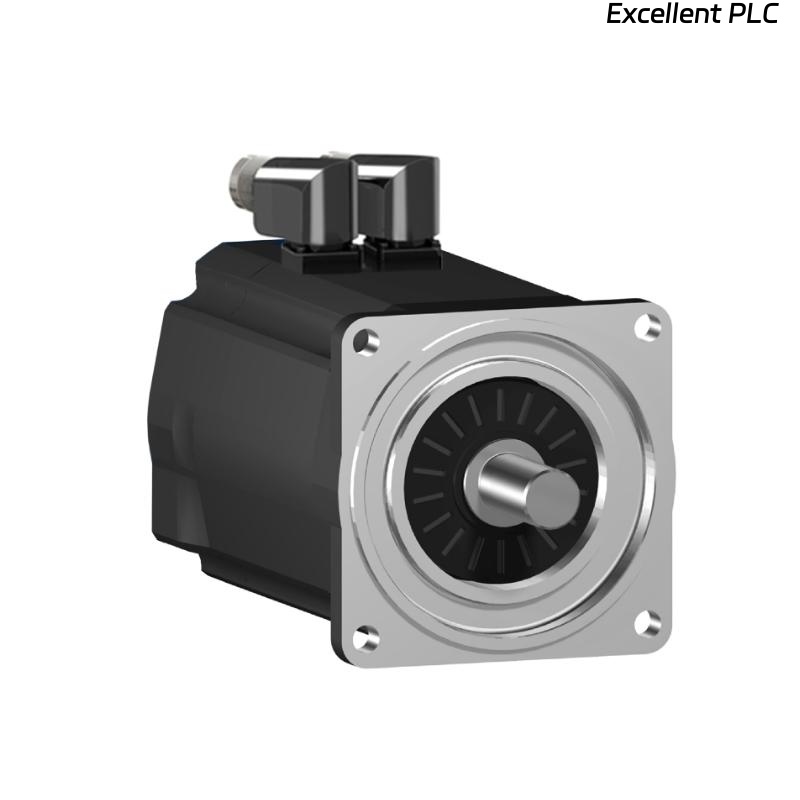
The Nidec SH31402P02F2000 is a high-precision servo motor used in industrial automation for robotics, CNC machines, and material handling systems.
Reported problem:
-
Motor shaft is difficult to rotate manually or under control
-
Motor may produce unusual noise or vibration
-
Servo driver reports torque overload or stall alarms
This guide documents diagnosis, step-by-step repair, and preventive measures.
⚠️ 2. Safety Precautions
-
Disconnect all power to servo motor and driver.
-
Wear insulated gloves and protective eyewear.
-
Do not attempt rotation while powered to avoid electrical or mechanical damage.
-
Ensure surrounding machinery is immobilized to prevent accidents.
🔍 3. Initial Inspection
-
Visual Check:
-
Inspect motor shaft for foreign objects or debris.
-
Check for physical damage to housing, shaft, or connectors.
-
-
Manual Rotation Test:
-
Gently attempt to rotate shaft by hand.
-
Feel for tight spots, grinding, or binding.
-
-
Check Mounting:
-
Verify motor flange is properly aligned and mounting bolts are not over-tightened, which can misalign the rotor.
-
Observation Example:
-
Shaft rotates with noticeable resistance at mid-rotation
-
Slight grinding sound observed
-
No visible damage on shaft coupling
🛠️ 4. Mechanical Troubleshooting
Step 1 — Remove Motor Coupling / Load
-
Detach motor from driven load to isolate the motor shaft.
-
Attempt manual rotation again.
Step 2 — Inspect Bearings
-
Rotate shaft by hand; if still stiff, suspect bearing seizure.
-
Remove end covers and inspect bearings for wear, corrosion, or lack of lubrication.
Step 3 — Lubrication & Cleaning
-
Clean bearings and housing from dust or debris.
-
Apply manufacturer-specified bearing grease or lubricant.
Step 4 — Check Rotor & Stator Clearance
-
Verify that rotor rotates freely inside the stator without contact.
-
Measure air gap if motor provides access points.
⚡ 5. Electrical Check
-
Disconnect motor from driver.
-
Use a multimeter or insulation tester to check:
-
Phase continuity
-
Insulation resistance (should exceed 1 MΩ)
-
-
Check for loose connectors or damaged wires that could cause uneven torque.
⚠️ Never apply voltage while rotor is manually restrained; risk of damage is high.
🔧 6. Reassembly & Test
-
Reinstall bearings, rotor, and end covers.
-
Remount motor on machine without load.
-
Gradually apply servo driver low-speed test mode:
-
Observe for smooth rotation
-
Monitor current and torque
-
-
Gradually reconnect load after confirming free rotation and normal current draw.
🧰 7. Troubleshooting Common Issues
| Symptom | Possible Cause | Recommended Action |
|---|---|---|
| Stiff rotation after load removed | Damaged or seized bearings | Replace bearings, clean and lubricate |
| Grinding sound | Foreign debris in rotor or stator | Clean rotor and stator |
| Torque overload alarms | Phase imbalance or damaged winding | Check wiring, test insulation, replace motor if needed |
| Motor stalls intermittently | Coupling misalignment | Adjust alignment, verify mechanical coupling |
🧾 8. Preventive Measures
-
Perform periodic bearing inspection and lubrication every 6–12 months.
-
Ensure shaft alignment during installation.
-
Keep environment clean and free of dust, metal shavings, or fluids.
-
Use servo driver protective features (current limit, soft start) to prevent mechanical shock.
💡 Engineer Note: Most SH31402P02F2000 servo motor failures originate from bearing wear, misalignment, or debris ingress, not electrical faults.
✅ 9. Field Repair Checklist
-
[✔] Motor disconnected from power and load
-
[✔] Bearings inspected, cleaned, and lubricated
-
[✔] Rotor rotates freely by hand
-
[✔] Electrical insulation verified
-
[✔] Motor reinstalled, tested at low speed
-
[✔] Torque and current monitored, normal operation confirmed
After these steps, the SH31402P02F2000 servo motor should operate smoothly and reliably.