 Excellent PLC


By Dr. Helena Fischer – Reliability Engineering Consultant
Not all mechanical damage is visible.
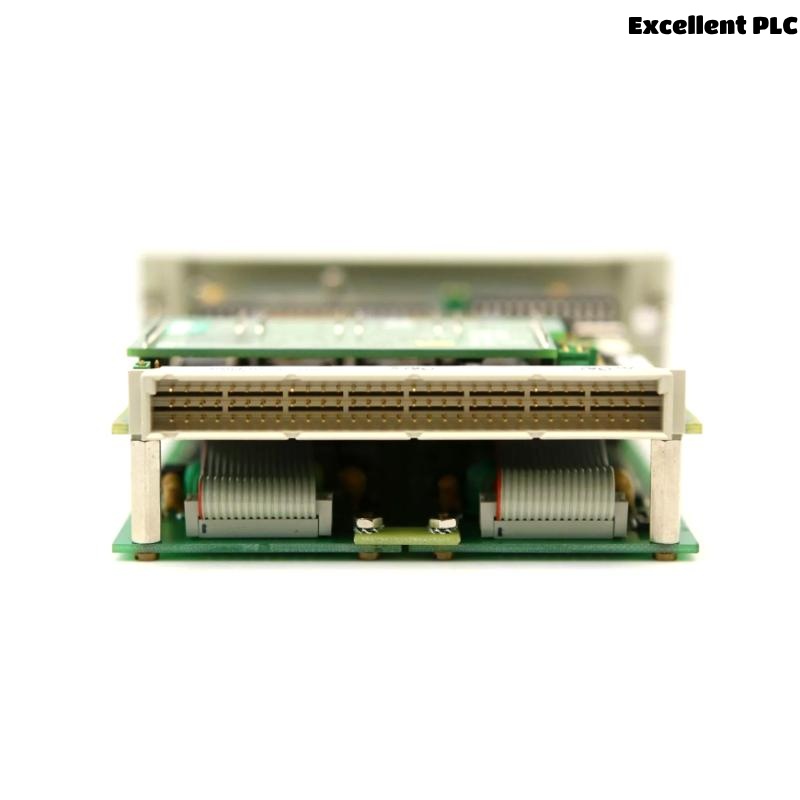
In high-vibration environments, electronic modules often fail not because components detach, but because connections slowly lose integrity. This failure mode was documented in a reliability assessment involving the Honeywell 10014/1/1 dual-port module.
Operating Environment
-
Module installed near rotating machinery
-
Cabinet subject to continuous low-frequency vibration
-
No shock isolation for rack-mounted equipment
-
Long service life without mechanical inspection
The environment met electrical specs.
It did not meet mechanical comfort.
Failure Characteristics
-
Both ports experienced intermittent link drops
-
Failures correlated with vibration intensity
-
Communication recovered when machinery slowed
-
No permanent hardware faults detected
The dual-port nature created a key clue:
both channels degraded together.
Failure Mechanism
Long-term vibration induced:
-
Microfractures in solder joints
-
Intermittent contact resistance changes
-
Sensitivity to mechanical excitation
The 10014/1/1 remained functional — until vibration crossed a certain threshold.
Why Traditional Diagnostics Failed
-
Electrical continuity tests passed under static conditions
-
Bench testing showed no reproducible faults
-
Visual inspection revealed no obvious damage
The failure was mechanically activated.
Validation Method
Controlled vibration testing reproduced the symptom:
Dropouts occurred only under dynamic excitation.
Mitigation Strategy
-
Re-mounted module with vibration isolation
-
Relocated rack away from high-vibration zones
-
Implemented periodic mechanical inspections
-
Established vibration limits for control cabinets
Module replacement eliminated the immediate fault.
Reliability Implications
-
Electrical health does not guarantee mechanical health
-
Dual-port failures can indicate common-mode mechanical stress
-
Vibration is a long-term reliability threat
-
Static testing misses dynamic failure modes
Conclusion
The Honeywell 10014/1/1 dual-port module did not fail due to design weakness.
It failed because the installation environment exceeded what electronics quietly tolerate.
In reliability engineering, the slowest damage is often the hardest to see —
until the system starts to shake.
— Dr. Helena Fischer