 Excellent PLC


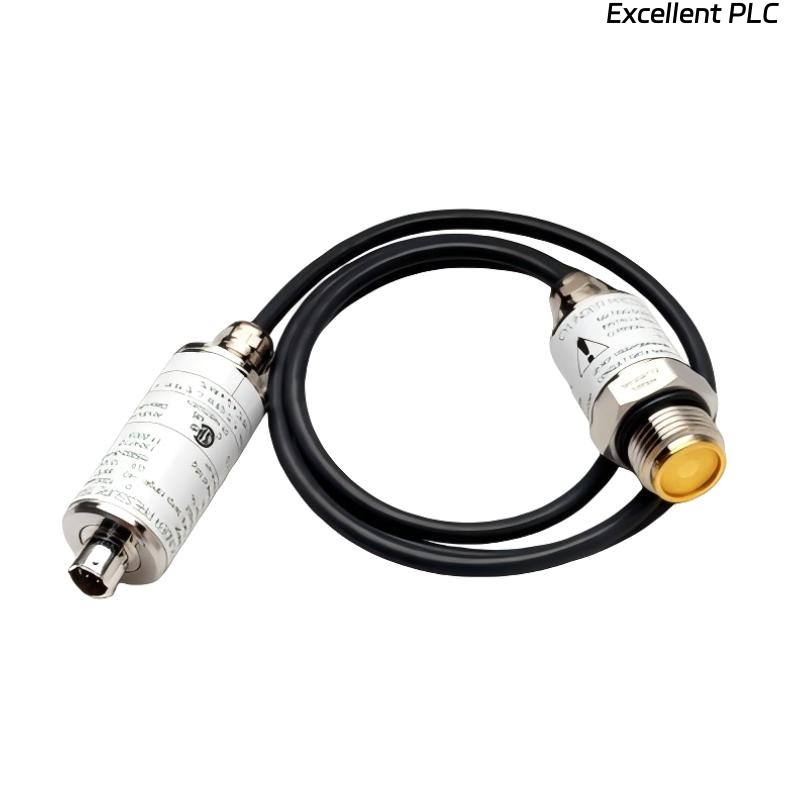
“The Engine Is Fine, So Why Does the Pressure Look Wrong?” — A Support Call About the 165855 Sensor
Notes from a Technical Support Engineer
Customer:
“We’re seeing lower peak pressure and slower pressure rise on one cylinder. No alarms. Engine runs fine.”
Me:
“Has anything changed mechanically?”
Customer:
“No. Same fuel, same load, same timing.”
That answer narrowed things down immediately.
The sensor in question was a Bently Nevada 165855-12-01, installed directly on the cylinder head. The pressure curve looked smooth, but something about it felt… delayed. The peak wasn’t sharp. The rise wasn’t aggressive enough.
It didn’t look noisy. It looked filtered.
Me:
“Can you tell me when the sensor was last removed or cleaned?”
Customer:
“Cleaned? We’ve never cleaned it.”
That was the moment the issue clicked.
Cylinder pressure sensors don’t just measure pressure. They measure pressure through a very small passage. In high-temperature combustion environments, that passage slowly collects:
-
Carbon deposits
-
Oil residue
-
Combustion by-products
Not enough to block the signal completely — just enough to dampen fast pressure changes.
What the Data Was Really Saying
-
Peak pressure slightly lower than reality
-
Pressure rise rate reduced
-
Cycle-to-cycle repeatability still good
-
No electrical faults
This is classic partial port blockage behavior.
The sensor still “worked.”
It just stopped reacting fast enough.
Me:
“Remove the sensor and inspect the pressure port. Don’t force anything. Just look.”
An hour later, the picture arrived.
The port wasn’t blocked.
It was narrowed.
What Fixed It
-
Sensor removed and cleaned using approved solvent
-
Pressure port cleared carefully (no drilling, no metal tools)
-
Sensor reinstalled with correct torque
-
New baseline pressure curves recorded
The difference was immediate. Sharp pressure rise returned. Peak values aligned with other cylinders.
Customer:
“We thought the sensor was aging.”
Me:
“It was breathing through a straw.”
Why This Matters
-
Port contamination does not trigger alarms
-
Electrical checks won’t find it
-
Drift looks mechanical, not instrumental
-
Long-term performance tuning suffers
If you only replace sensors when they “fail,” you’ll miss this completely.
Final Note
The Bently Nevada 165855-12-01 didn’t fail.
It got dirty — slowly, quietly, predictably.
In combustion monitoring, cleanliness isn’t cosmetic.
It’s measurement accuracy.