 Excellent PLC


By Julien Moreau – Control Systems Startup Engineer
Most communication faults are diagnosed while systems are running.
Some only exist when systems are waking up.
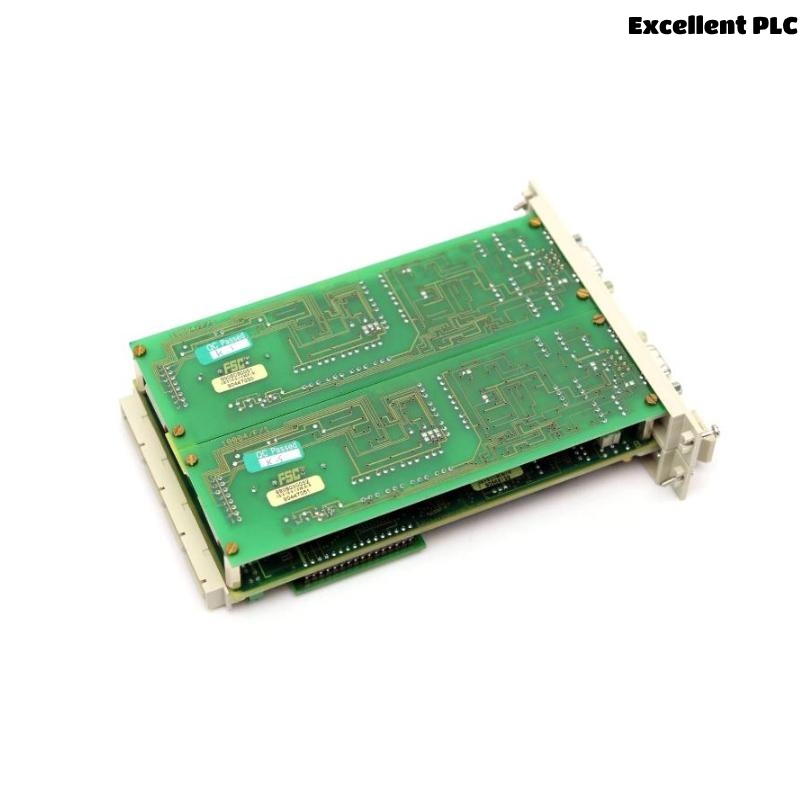
The Honeywell 10014/1/1 dual-port module exposed a subtle reliability issue that appeared exclusively during cold starts — and vanished once the system reached steady state.
The Startup Window Nobody Monitored
During a full power-up:
-
Backplane powers first
-
Communication module initializes
-
Network peers attempt early handshakes
-
Controllers begin link discovery
The entire sequence unfolds within seconds.
That window is rarely instrumented.
What Operators Observed
-
Occasional failure to establish communication after cold start
-
Systems that “fix themselves” after a manual restart
-
No faults logged once communication is established
-
Problems more frequent after extended power outages
The system didn’t fail.
It hesitated.
The Underlying Timing Mismatch
In this installation:
-
The 10014/1/1 ports initialized slightly later than peer devices
-
Peer devices timed out early
-
Initial handshakes failed
-
No automatic retry logic existed in the legacy master
Once the window passed, communication required a manual reset.
Why This Was Hard to Catch
-
Normal operation was stable
-
Warm restarts didn’t reproduce the issue
-
Diagnostics showed no faults post-startup
-
The fault existed only during a brief, unobserved phase
It was a problem that lived in the shadows of boot time.
How We Validated the Hypothesis
We delayed peer device startup artificially:
With adjusted timing, communication came up reliably every time.
Mitigation Measures
-
Staggered startup sequence
-
Added retry logic on the master side
-
Adjusted startup dependencies in system configuration
-
Documented cold-start timing requirements
No hardware changes were necessary.
Key Insights
-
Startup timing is part of system design
-
Cold-start behavior differs from warm restarts
-
Communication failures can be temporal, not functional
-
Reliability includes the first seconds of life
Closing Thought
The Honeywell 10014/1/1 dual-port module wasn’t slow.
The system around it was impatient.
In automation, reliability isn’t just about running well —
it’s about starting well.
— Julien Moreau