 Excellent PLC


By Omar Petrov – Emergency Systems Engineer
In emergency drills, we simulate failures.
What we rarely simulate is how the system looks when it protects itself.
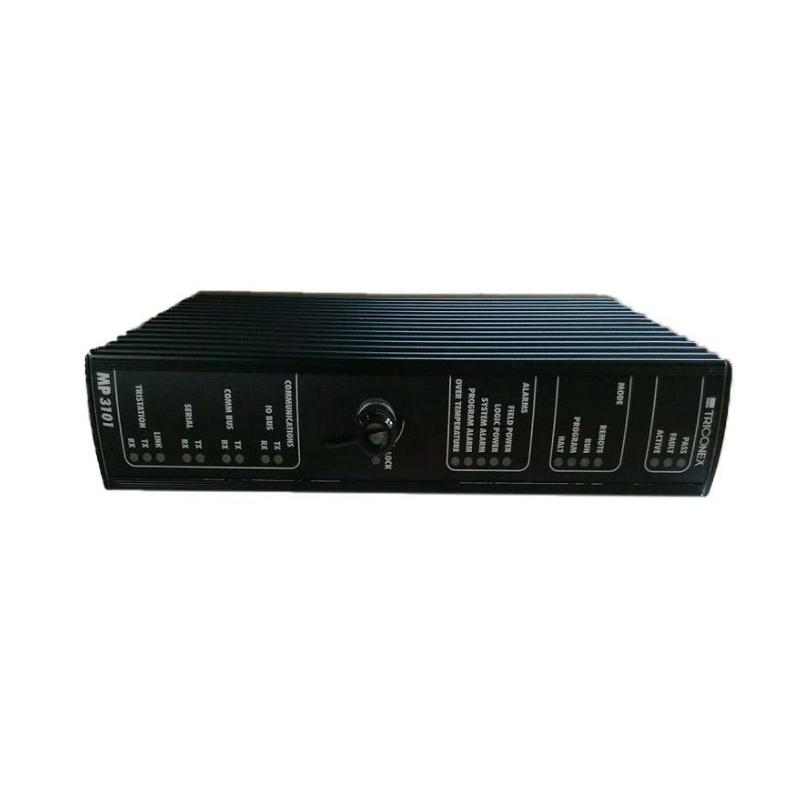
During a plant-wide emergency response exercise, the Triconex 3101 main processor module appeared to drop communication for a brief moment. The room went silent. Operators thought the CPU had failed.
It hadn’t.
Incident Snapshot
-
Redundancy channel A intentionally taken offline
-
System forced into live switchover
-
Operator interface showed a short communication gap
-
Control logic and outputs remained correct
-
No safety function was compromised
The gap lasted less than a second.
In a control room, that feels like forever.
What Actually Happened
The 3101 MPM performs:
-
Cross-channel health verification
-
State handover between channels
-
Output commit freeze during switchover
-
Re-advertisement of communication endpoints
During this window:
-
Network endpoints briefly stop responding
-
Monitoring tools interpret silence as failure
-
Control logic continues safely inside the processor
It was a communication illusion, not a control failure.
Why Operators Panicked
-
HMI alarm thresholds were tuned for hard faults
-
No distinction between switchover silence and real CPU failure
-
Training scenarios never included this specific edge case
The system did what it should.
The humans didn’t expect how it would look.
How We Reproduced It
The pattern was repeatable, deterministic, and harmless.
Post-Drill Improvements
-
Adjusted HMI alarm logic to differentiate transient silence
-
Added visual indicator for “redundancy switchover in progress”
-
Included switchover behavior in operator training
-
Documented expected communication gaps in SOPs
Lessons Learned
-
Not every “offline” indicator means failure
-
Redundancy switchover has a visible footprint
-
Human factors matter as much as technical design
-
Drills should include realistic system behaviors, not idealized ones
Closing Reflection
The Triconex 3101 never lost control.
It simply went quiet for a moment while handing the reins to another channel.
In safety systems, silence during a switchover can be the sound of things working exactly as designed.
— Omar Petrov