 Excellent PLC


By Jack Pearson – Field Commissioning Engineer
It wasn’t a failure, but it might as well have been.
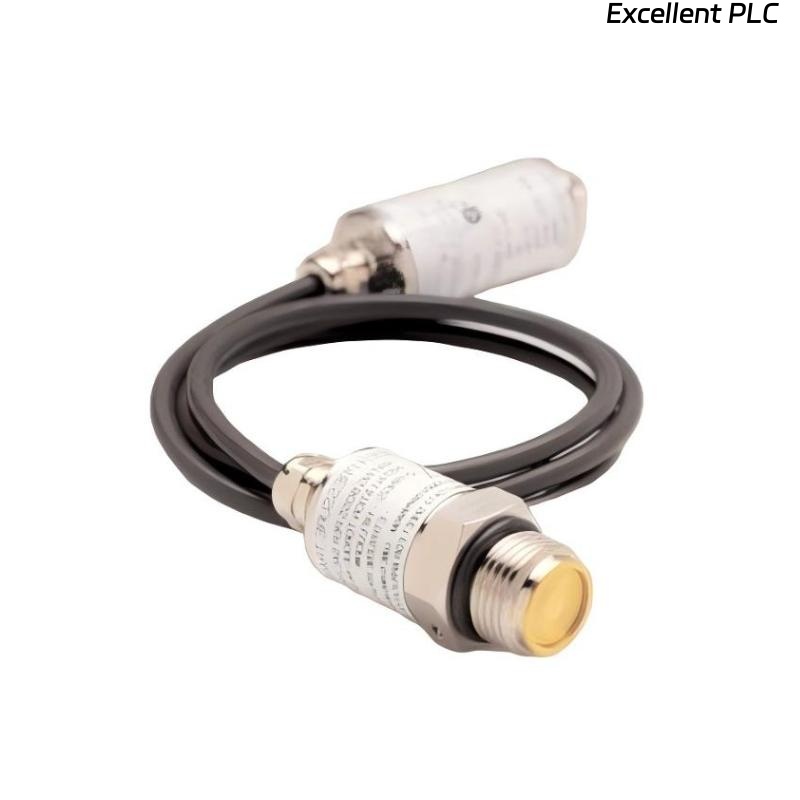
The Bently Nevada 165855-12-01 cylinder pressure sensor was perfectly functional — in theory. But after installation, the data wasn’t adding up. Cylinder pressure readings were erratic, especially during high-load tests.
The engine seemed fine, but the sensor output… not so much.
The First Red Flag
We were commissioning a new engine with a fresh set of pressure sensors. Everything looked good on paper:
-
Proper sensor model
-
Correct mounting locations
-
Clean installation process
However, during the first load test, we started seeing fluctuations in the pressure curve. Nothing alarming, but the readings were inconsistent.
The pattern was weird — the first few cycles of the engine ramp-up had accurate readings, but during the load hold, the pressure output would drop intermittently. At the time, it was almost imperceptible, but it got worse over the next few tests.
What Was Going Wrong?
I started with the basics:
-
Checked wiring and connections
-
Verified signal integrity
-
Ensured no loose cables or damaged components
Everything seemed fine. The sensor was outputting a clean signal, but there was a significant “lag” in the pressure response during dynamic changes.
That’s when I remembered something from my training: over-tightening sensors.
The Impact of Over-Torquing the Sensor
It’s easy to overlook, but over-tightening can distort sensor readings in subtle but profound ways. Here’s why:
-
The Bently Nevada 165855-12-01 uses a precise ceramic piezoelectric element inside the sensor to measure pressure.
-
Tightening too much on the mounting bolt can compress the sensor housing and create small internal stress on the piezoelectric crystal.
-
This compressive force alters the natural response curve, causing drifting readings or delayed pressure response.
The issue wasn’t immediately obvious because the sensor wasn’t “broken”—it was just not measuring accurately under dynamic conditions.
How We Fixed It
After recognizing the issue, I took the following steps to correct it:
-
Loosened the sensor mounting slightly — just enough to release the excessive compressive force on the ceramic element.
-
Re-checked the mounting torque based on Bently Nevada’s torque specifications for the 165855 model, ensuring it was within the recommended range.
-
Tested sensor behavior in static and dynamic conditions to make sure the readings were stable and responsive.
-
Verified pressure trends against baseline data to confirm the sensor was now tracking accurately.
Once the torque was corrected, the pressure data returned to normal, with no further fluctuations during load hold.
What Did We Learn?
-
Sensor sensitivity is fragile—too much torque can distort the measurement.
-
Always adhere to the manufacturer’s torque guidelines.
-
Even small mechanical stress can affect critical sensor performance.
Over-tightening is one of those mistakes that feels too trivial to matter, but it can have a significant impact on performance.
Final Thoughts
The Bently Nevada 165855-12-01 is an excellent cylinder pressure sensor. But like any high-precision device, it’s sensitive to mechanical disturbances — including installation errors like over-torquing.
Next time I install a pressure sensor, I’ll make sure to trust the specs, not my gut.
Because when torque is off, your readings will be, too.
— Jack