 Excellent PLC


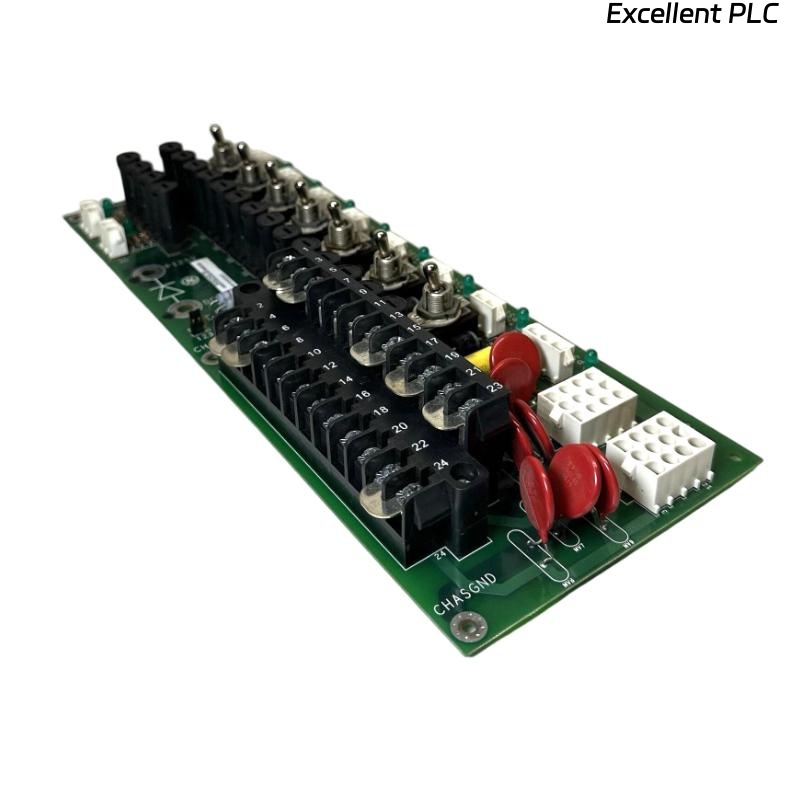
The GE IS200EPDMG1BAA is rarely the board people talk about when discussing Mark VI reliability.
It usually sits there quietly, doing exactly what it is supposed to do—until one day it doesn’t.
And when it doesn’t, the questions it raises are often more interesting than the fault itself.
The EPDM Board Teaches You to Think in Systems, Not Components
Engineers encountering EPDM-related issues often start by focusing on the board.
But the longer you work with it, the clearer it becomes that the IS200EPDMG1BAA is less a “problem source” and more a system mirror.
Its behavior reflects upstream power quality, cabinet grounding philosophy, and how disciplined the overall design really is.
When EPDM alarms appear, they are often symptoms, not causes.
One senior engineer once remarked:
“If the EPDM complains, it’s usually reporting someone else’s mistake.”
Stability Is About Continuity, Not Perfection
In operation, the EPDM board values consistency more than ideal numbers.
Slight voltage drift, minor timing variations, or momentary disturbances may not trip immediate alarms, but over time they shape how reliably the board operates.
What’s interesting is that systems with technically imperfect but stable conditions often outperform systems with theoretically perfect but fluctuating environments.
This shifts the mindset from chasing ideal specifications to managing long-term operating continuity.
EPDM Behavior Rewards Conservative Engineering
Aggressive optimization—tight margins, minimal grounding paths, shared power rails—tends to surface problems at the EPDM level sooner than elsewhere.
Conversely, conservative design choices:
-
dedicated reference returns
-
generous grounding paths
-
clean separation between control and power wiring
often result in EPDM boards that run for years without a single event worth logging.
The board doesn’t demand complexity; it rewards restraint.
What the EPDM Board Reveals During Commissioning
During commissioning, EPDM behavior often exposes things that logic tests do not:
-
subtle wiring polarity mistakes
-
shielding assumptions that don’t hold in real cabinets
-
noise paths created by last-minute layout changes
In this sense, the board acts as an early warning system—quiet, but precise.
Many experienced engineers watch EPDM status closely during the first weeks of operation, even when everything appears normal elsewhere.
A Different Way to Interpret EPDM Alarms
When an EPDM-related alarm appears, seasoned engineers rarely rush to replace the board.
Instead, they ask:
-
what changed recently?
-
what assumptions did we make about grounding or power sharing?
-
which external device could be stressing the system intermittently?
This shift—from reactive replacement to reflective diagnosis—often leads to more durable solutions.
The Broader Lesson
Working with the IS200EPDMG1BAA encourages a mindset that applies far beyond a single board.
It reminds engineers that:
-
reliable operation is an emergent property of the whole system
-
quiet components are often the most honest indicators
-
repeated issues usually reflect design or environmental debt
As one veteran GE engineer summarized it:
“The EPDM board doesn’t fail often—but when it speaks, it’s worth listening.”