 Excellent PLC


Posted by Alan Brooks – Machinery Diagnostics Contractor
The probe didn’t fail in a day.
It didn’t even fail in a year.
That’s why nobody noticed.
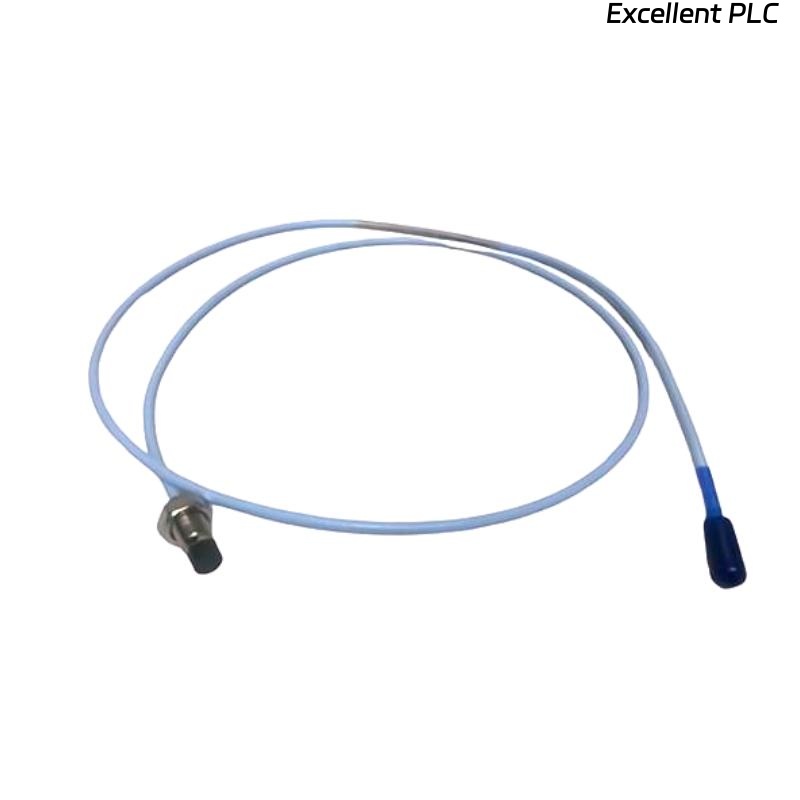
The Bently Nevada 164517-025-10-02-00 had been sitting on the same bearing housing for almost three summers, right above a hot process line. Day after day, the ambient temperature crept up. Night after night, it cooled back down.
Nothing dramatic happened. Until it did.
At first, vibration levels seemed… calmer.
Too calm.
A machine that normally showed small load-related changes suddenly looked unusually stable. Operators liked it. Analysts didn’t.
The shaft hadn’t improved. The signal had softened.
We checked the obvious things.
Gap was correct. Cable looked fine. Target surface hadn’t changed. No noise, no dropouts, no alarms.
If you trust only limits and alarms, this probe passed every test.
The clue came from comparison, not inspection.
An identical machine next door, same design, same load, same monitoring setup—except the probe was installed further away from heat sources.
That machine still showed healthy, dynamic vibration response.
This one didn’t.
Ceramic-tip proximity probes are tough. But prolonged exposure to elevated temperature slowly alters internal characteristics:
-
Output voltage range compresses
-
Sensitivity drops without going to zero
-
Signal stays “clean” but loses detail
It’s not failure. It’s aging.
We pulled the probe and tested it against a reference unit.
Same gap. Same target.
Lower output.
Not enough to trigger a fault. Enough to mislead analysis.
Replacing the 164517-025-10-02-00 immediately restored normal signal behavior. Load changes were visible again. Startup signatures looked familiar. The machine hadn’t changed at all.
Only the probe had been quietly fading.
This is the dangerous kind of degradation.
No alarms. No obvious symptoms. Just slow loss of truth.
If a vibration signal starts looking “too good” in a hot environment, don’t congratulate the machine.
Question the probe.
— Alan