 Excellent PLC


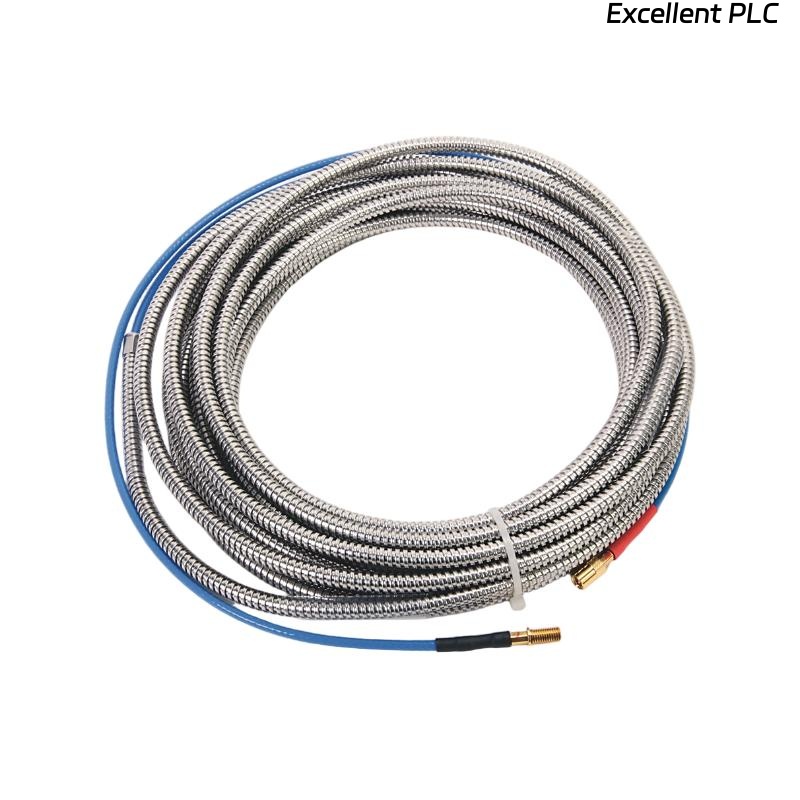
When I first worked with the Bently Nevada 1442-PR-0812E0210N module, it quickly became clear that its role extends far beyond simply reading sensors. This module serves as a critical interface between raw mechanical motion and actionable monitoring data, translating the signals from proximity probes and vibration sensors into information that operators and control systems can rely on.
In the field, I’ve observed that the module not only captures shaft displacement and vibration amplitude but also performs signal conditioning that filters out noise and stabilizes readings. Without this step, even small electrical interference or mechanical vibrations unrelated to machine health could trigger false alarms. The module essentially “cleans up” the raw sensor data, providing a reliable foundation for any diagnostic or protective action.
Another aspect that stands out is how it integrates with the 3500 Series monitoring systems. The 1442-PR module communicates both analog and digital signals, allowing SCADA systems to record trends and enabling predictive maintenance. I’ve seen firsthand how operators use this data to detect bearing wear or shaft misalignment early, preventing costly downtime. The module’s ability to continuously compare sensor signals against threshold values ensures that alarms and trips happen only when truly necessary, rather than reacting to normal operational variations.
Redundancy is also a critical feature I rely on in practice. Many installations use dual probes connected to a single module, and the 1442-PR’s internal logic can detect inconsistencies between channels. This ensures that a single faulty sensor or loose connection does not compromise machine protection. In high-speed turbines, this level of reliability can mean the difference between minor maintenance and catastrophic failure.
One thing I always emphasize during installation or field checks is the module’s dependence on proper grounding and clean connections. Even a perfectly functioning module will produce unreliable results if the probe shields are broken or if power supply stability is poor. Over time, I’ve learned that taking the time to ensure tight connections, proper routing of cables, and verifying air gaps at the probes pays off in consistent, trustworthy readings.
Overall, the 1442-PR module acts as the central nervous system of vibration and position monitoring. It senses motion, filters and conditions the signals, detects abnormal behavior, and communicates data reliably to the monitoring system. From a practical standpoint, its effectiveness directly affects both machine reliability and operational safety. Any compromise in installation, grounding, or signal integrity immediately shows up in the system’s ability to detect early warning signs.
In my experience, thinking of this module as a passive sensor interface is a mistake. It’s an active component that interprets, protects, and reports — essentially the brain that ensures your rotating machinery runs safely.