 Excellent PLC


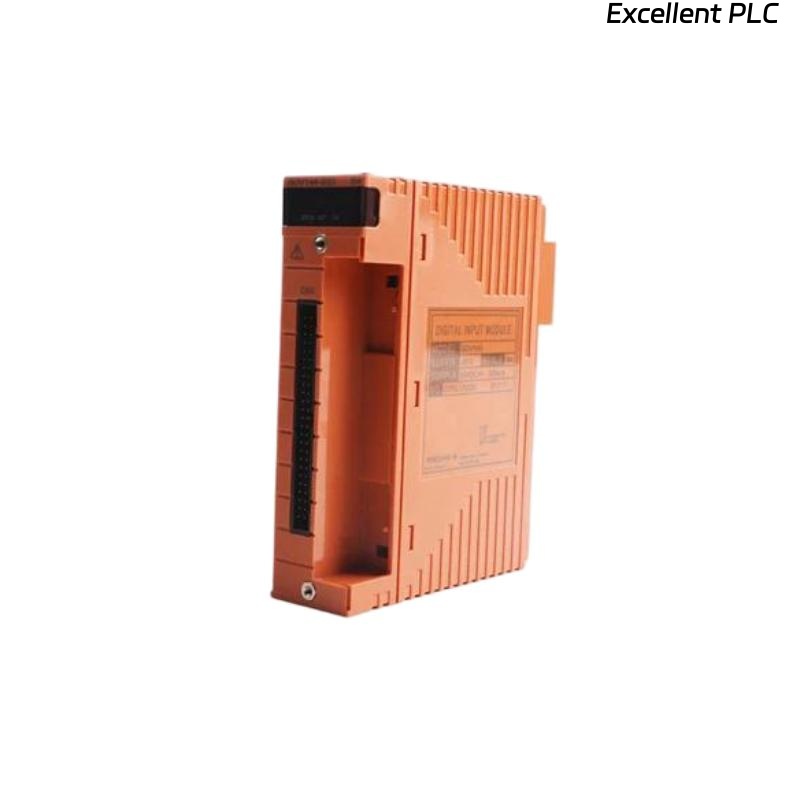
The Yokogawa S9341FA bus connector unit is designed to be invisible during normal operation.
When it reports an installation error immediately after being mounted, the problem is rarely dramatic—but it is rarely accidental either.
From field experience, an S9341FA that fails to install successfully is usually reacting to conditions that violate the assumptions built into Yokogawa’s bus architecture.
“Installation Error” Often Means the Bus Was Rejected
In Yokogawa systems, a bus connector unit does not simply join the bus because it is physically present.
It must first validate that the environment is electrically and logically acceptable.
When installation fails, the unit is often detecting:
-
an unexpected bus state
-
timing or impedance outside tolerance
-
reference instability
-
identity or topology inconsistency
In other words, the S9341FA is not failing to install—it is refusing to participate.
As one Yokogawa engineer once remarked:
“If the bus connector complains during installation, it already knows something you don’t.”
Mechanical Installation Can Be “Correct” but Electrically Wrong
It is common to see the unit fully seated, latched, and powered—yet still reporting an error.
Typical hidden issues include:
-
connector not fully aligned despite appearing locked
-
slight contamination on the backplane contacts
-
deformation of guide rails from previous work
-
residual oxidation on rarely used bus slots
Because bus connectors deal with high-integrity signaling, even small contact irregularities are amplified during initialization.
A simple reseat sometimes works—not because it fixes the unit, but because it restores electrical symmetry.
Bus Reference and Grounding Are Frequent Root Causes
The S9341FA is highly sensitive to reference stability.
If the bus ground is floating, shared improperly, or shifted relative to other cabinets, installation will often fail.
Field investigations regularly uncover:
-
multiple ground points creating small potential differences
-
recent grounding changes elsewhere in the system
-
temporary grounding used during maintenance and never removed
-
shields bonded inconsistently across segments
The unit detects this as an unsafe condition and reports an error instead of attempting marginal communication.
Configuration and Identity Conflicts Can Look Like Hardware Problems
Another common pattern is a logical conflict presenting as an installation failure.
Examples seen in practice:
-
duplicate node addresses introduced during expansion
-
database updates not fully deployed across the system
-
legacy bus assumptions applied to newer hardware
-
partial replacement without corresponding configuration validation
From the outside, it looks like the S9341FA “won’t install.”
From the system’s perspective, it does not recognize the unit as a valid participant.
Environmental Stress Shows Up Early on Bus Connector Units
Bus connector units often act as early indicators of cabinet health.
Installation errors sometimes correlate with:
-
elevated humidity
-
conductive dust inside the panel
-
thermal cycling loosening connectors
-
cabinets operating closer to their thermal limits than expected
These conditions may not yet affect CPUs or I/O modules—but they affect bus integrity first.
Why Immediate Replacement Rarely Solves the Problem
Replacing the S9341FA may clear the error temporarily, but experienced engineers are cautious.
If the underlying issue is:
-
grounding
-
bus topology
-
power reference
-
environmental degradation
then the replacement unit is exposed to the same conditions and may eventually behave the same way.
This is why seasoned teams treat installation errors as diagnostic signals, not just hardware faults.
How Experienced Yokogawa Teams Approach the Situation
Instead of rushing, experienced engineers typically:
-
verify bus grounding continuity end-to-end
-
inspect connectors under magnification
-
compare bus behavior before and after recent changes
-
confirm configuration consistency across nodes
-
correlate errors with environmental or operational events
This approach almost always reveals why the S9341FA refused to install.
A Practical Engineering Interpretation
From long-term field experience, the most useful way to read an S9341FA installation error is simple:
-
the unit is conservative by design
-
refusal indicates detected risk
-
the bus environment matters more than the connector itself
As one senior Yokogawa specialist summarized it:
“If a bus connector won’t come online, the bus is telling you it’s no longer comfortable.”