 Excellent PLC


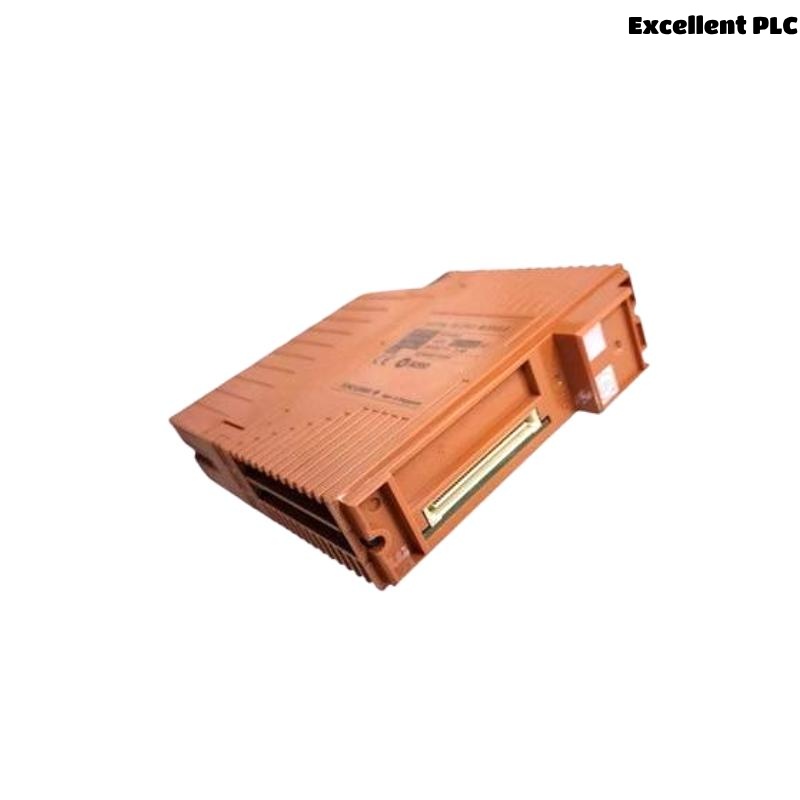
The Yokogawa SADV541 digital output module is generally reliable and conservative in its behavior.
When output signals are completely absent, the module is rarely “dead” in the traditional sense.
More often, it is deliberately withholding output because a condition required for safe operation has not been satisfied.
Understanding why the output is missing matters far more than replacing the module.
No Output Usually Means the Module Has Chosen Not to Drive
In Yokogawa systems, digital output modules are designed to fail quietly.
If the SADV541 detects anything it cannot trust—internally or externally—it simply does not energize the output.
Common field interpretations of “no output” often miss this point.
The module may be powered, recognized by the system, and still refuse to switch.
As one Yokogawa technician once said:
“If a DO stays low, it’s often protecting you from something you can’t see yet.”
Power and Common Reference Are Always the First Reality Check
The SADV541 depends on a stable output supply and a clean common reference.
If either is marginal, the outputs remain inactive.
Field cases frequently trace back to:
-
missing or undervoltage output supply
-
broken common return paths
-
shared commons overloaded by other devices
-
ground reference drift between cabinets
A meter may show voltage present, but under load the supply collapses just enough to inhibit output drive.
External Loads Can Quietly Block Output Operation
Another frequent cause is external load behavior rather than the module itself.
Examples seen in practice include:
-
shorted solenoid coils
-
loads drawing current beyond channel rating
-
inductive devices without proper suppression
-
wiring faults causing leakage to ground
In these situations, the SADV541 senses abnormal conditions and disables the affected channels—or the entire module.
Replacing the module without addressing the load often leads to repeat symptoms.
Logic and Interlocks Are Often Overlooked
From the control system’s point of view, “no output” may be exactly the correct behavior.
Field engineers regularly discover that:
-
permissive conditions were never met
-
interlocks were left active after maintenance
-
force commands were removed or expired
-
logic was modified but not fully validated
The module does not distinguish between a wiring problem and a logic decision—it simply follows instructions.
Backplane and Connector Integrity Still Matter
Although less common, poor contact at the backplane can result in a module that appears normal but never drives outputs.
This is especially true in cabinets exposed to:
-
vibration
-
dust
-
thermal cycling
Reseating the module and cleaning connectors has resolved many “mystery” no-output cases.
When the Module Itself Is Actually at Fault
True internal failure of a SADV541 output stage does occur, but it is usually selective rather than total.
Typical signs include:
-
some channels working, others permanently off
-
outputs dropping out under load
-
channels heating abnormally
When a known-good module behaves correctly in the same slot, the diagnosis becomes clearer.
How Experienced Yokogawa Engineers Read the Situation
Seasoned engineers rarely start with replacement.
Instead, they ask:
-
is the output supply stable under load?
-
what is connected to this channel?
-
what conditions allow the logic to drive this output?
-
did anything change recently—electrically or logically?
These questions usually lead to the real answer faster than swapping hardware.
A Field-Oriented Conclusion
From long-term experience, the most useful way to interpret a SADV541 with no output signal is this:
-
the module is conservative by design
-
silence usually means protection or logic restraint
-
repeated cases point to external or systemic causes
As one senior Yokogawa engineer summarized it:
“If a digital output refuses to turn on, it’s almost always trying to tell you something important.”