 Excellent PLC


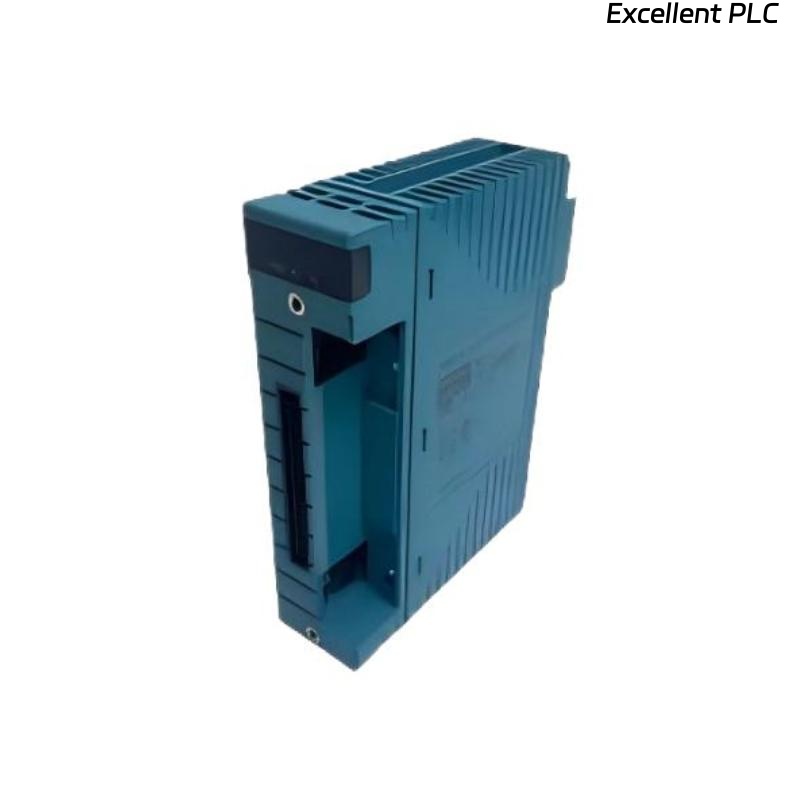
The Yokogawa SNT411 optical bus repeater main module is designed to be silent once installed.
When errors appear immediately after installation—or shortly thereafter—the module is rarely defective.
More often, it is signaling that one or more assumptions about the optical bus environment have been violated.
Understanding which assumption matters far more than clearing the alarm.
Installation Success and System Acceptance Are Not the Same Thing
In Yokogawa optical bus systems, a module can be mechanically installed, powered, and even detected—yet still rejected operationally.
The SNT411 evaluates more than presence.
It evaluates optical integrity, timing consistency, and logical placement within the bus topology.
An error after installation usually means the module has completed self-checks and decided not to participate.
Optical Signal Quality Is Often Marginal, Not Absent
One of the most common causes of post-installation errors is marginal optical quality.
Field experience shows frequent contributors:
-
fiber connectors contaminated during installation
-
excessive bending radius behind the cabinet
-
mixed fiber types introduced during modification
-
optical loss accumulating across multiple segments
The repeater may detect light but reject the link due to insufficient margin.
This is why some systems work briefly, then error out after temperature changes or cabinet door closure.
Directionality and Topology Assumptions Matter
The SNT411 is not a passive device.
It expects the optical path to follow a defined direction and role within the bus.
Errors often appear when:
-
transmit and receive fibers are reversed
-
the repeater is placed where a different module type was assumed
-
redundancy paths are incomplete
-
topology changes were made without configuration updates
From the module’s perspective, the optical path exists—but it does not make sense.
Power and Reference Still Influence Optical Behavior
Although communication is optical, the SNT411’s internal decision-making is electrical.
Post-installation errors frequently correlate with:
-
voltage dips during initialization
-
shared power supplies with non-bus equipment
-
reference instability between cabinets
-
grounding changes introduced during installation
In these cases, the repeater may pass optical checks but fail timing or synchronization validation.
Configuration Completes the Installation
A very common field oversight is treating the SNT411 as “plug-and-play.”
In reality, the system must recognize:
-
the repeater’s identity
-
its position in the optical bus
-
its role in redundancy schemes
If configuration databases are not updated or fully deployed, the repeater may raise errors even though hardware installation is correct.
The module is present—but not logically trusted.
Mechanical Details Can Trigger Subtle Failures
Because optical connectors feel secure even when slightly misaligned, mechanical issues are often underestimated.
Field investigations often uncover:
-
connectors not fully seated
-
fiber strain introduced during cabinet closure
-
micro-movement under vibration
-
dust caps removed too early
Any of these can push optical performance just far enough out of tolerance to trigger an error.
Why Replacement Rarely Fixes Post-Installation Errors
Replacing the SNT411 sometimes clears the error temporarily, which can be misleading.
If optical margin, power quality, or topology issues remain, the replacement module will eventually report the same condition.
Experienced engineers therefore hesitate to declare success based solely on a cleared alarm.
How Experienced Engineers Approach the Situation
Rather than chasing the error message, seasoned Yokogawa engineers tend to:
-
inspect and clean fiber connectors methodically
-
verify fiber type and routing against design intent
-
confirm optical directionality
-
review configuration consistency
-
observe behavior over temperature and time
This approach almost always reveals the true cause.
A Field-Tested Interpretation
From long-term experience, the most reliable way to read an SNT411 error after installation is this:
-
the module is conservative by design
-
errors indicate reduced certainty
-
installation margin defines long-term stability
As one senior Yokogawa engineer summarized it:
“If an optical repeater complains right after installation, it’s almost always reacting to how it was introduced into the system.”