 Excellent PLC


By Robert Hayes – Rotating Equipment Specialist (30+ Years in the Field)
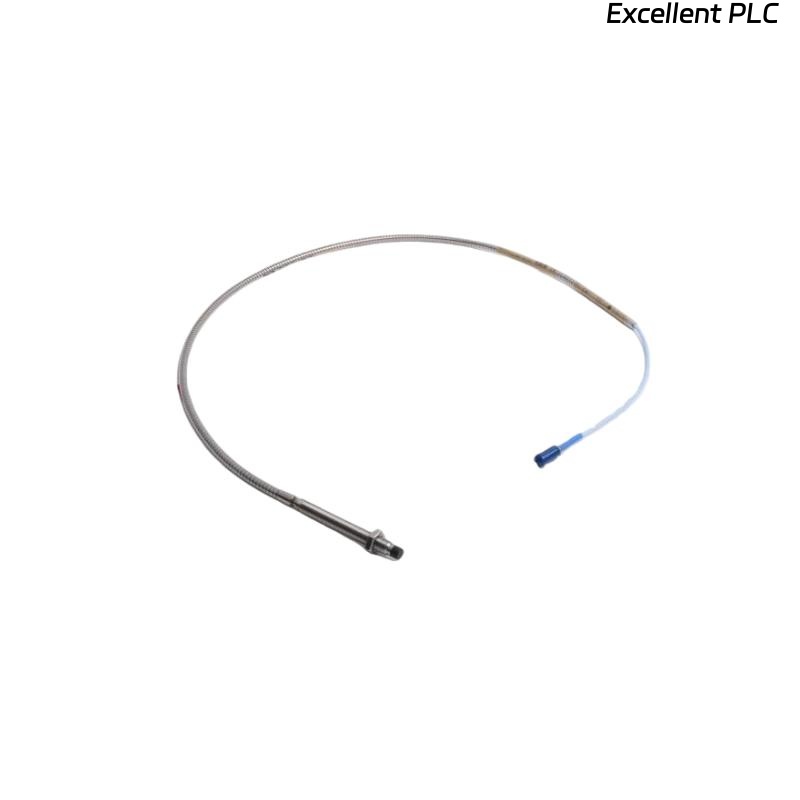
I’ve learned the hard way that proximity probes don’t lie—but they also don’t explain themselves. One incident involving a Bently Nevada 164517-025-10-02-00 ceramic tip probe reminded me how easy it is to blame a machine for something the sensor simply doesn’t understand.
The vibration trend went up. The shaft didn’t.
The Situation
We were monitoring a compressor that had just come back from a minor overhaul. No geometry changes, no bearing replacement, nothing major. Everything looked normal during startup.
Except the vibration.
-
Radial vibration appeared 25–30% higher
-
Trend was stable, not erratic
-
Phase relationship unchanged
-
No mechanical noise, no temperature increase
If you trust the numbers blindly, you’d start planning a shutdown.
What Everyone Assumed
The usual suspects came up immediately:
-
Rotor balance shift
-
Bearing clearance change
-
Alignment issue
But none of those theories matched the rest of the data.
The Detail That Got Missed
During the overhaul, the shaft sleeve had been replaced. Same dimensions, same finish—but not the same material composition.
That’s where the 164517-025-10-02-00 entered the story.
Why Material Matters
Proximity probes don’t measure distance directly. They measure how a target material interacts with an electric field.
Change the material, and you change:
-
Probe sensitivity
-
Voltage-to-displacement relationship
-
Effective calibration curve
The probe was reading honestly—just based on a different electrical response.
How We Confirmed It
-
Compared probe output voltage against expected gap values
-
Reviewed calibration assumptions used in the rack
-
Verified shaft material properties with maintenance records
Once the material difference was acknowledged, the mystery disappeared.
What We Did Next
-
Updated calibration factors to match the new shaft material
-
Re-baselined vibration trends
-
Documented the material change for future reference
No probe replacement. No mechanical work. Just better understanding.
What This Taught the Team
-
Proximity probes are sensitive to more than distance
-
Mechanical work can silently affect instrumentation accuracy
-
Stable data is not always correct data
-
Sensor assumptions must be reviewed after any hardware change
Final Thought
The Bently Nevada 164517-025-10-02-00 did exactly what it was designed to do. It reacted to a different electrical target.
The mistake was ours—assuming the machine stayed the same when, electrically speaking, it didn’t.
Experience teaches you this. Manuals usually don’t.
— Robert