Excellent PLC


Product Introduction
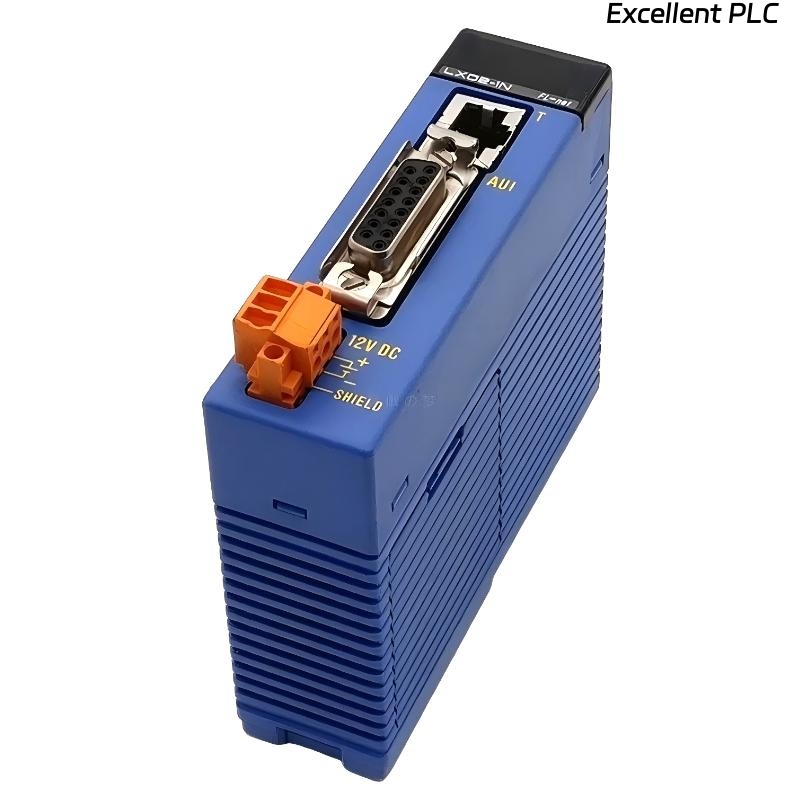
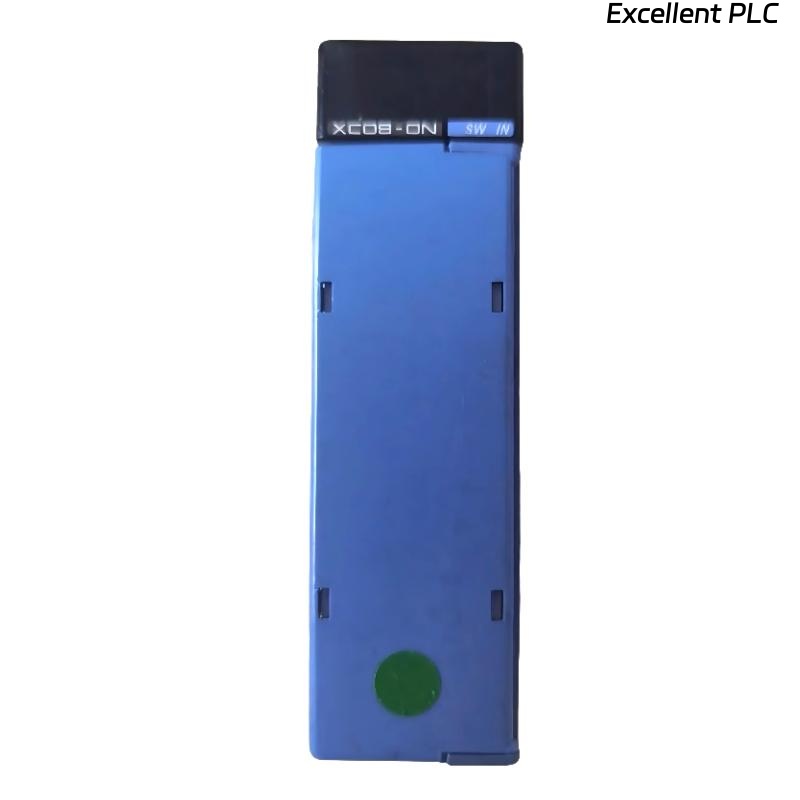
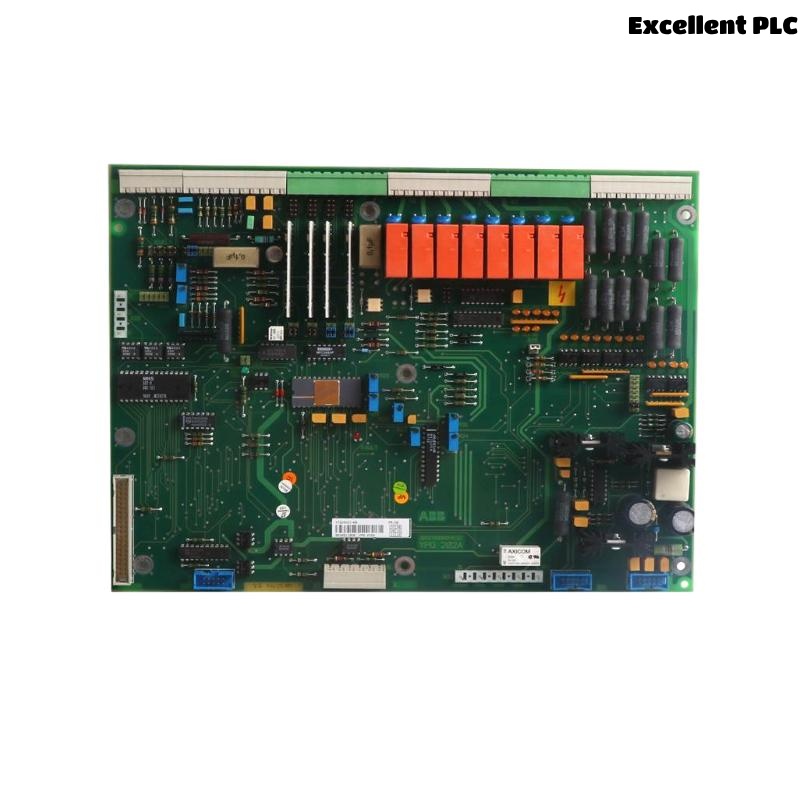
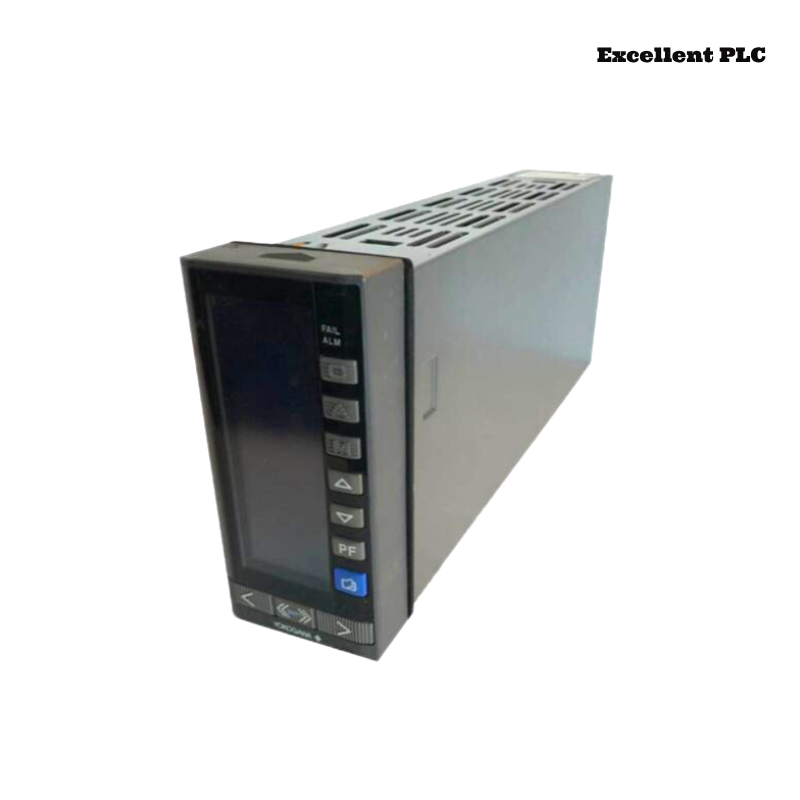
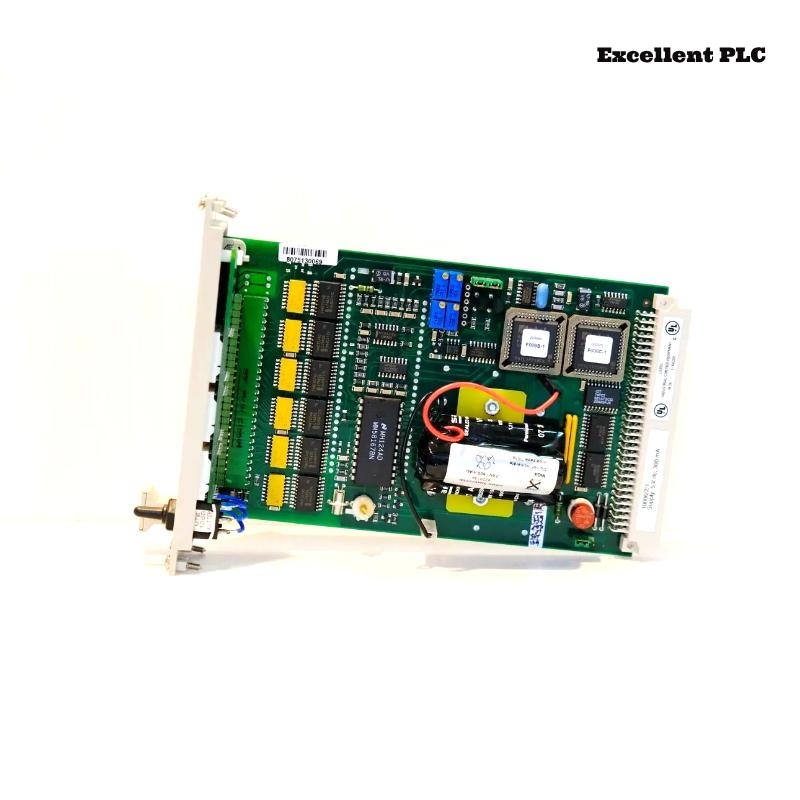
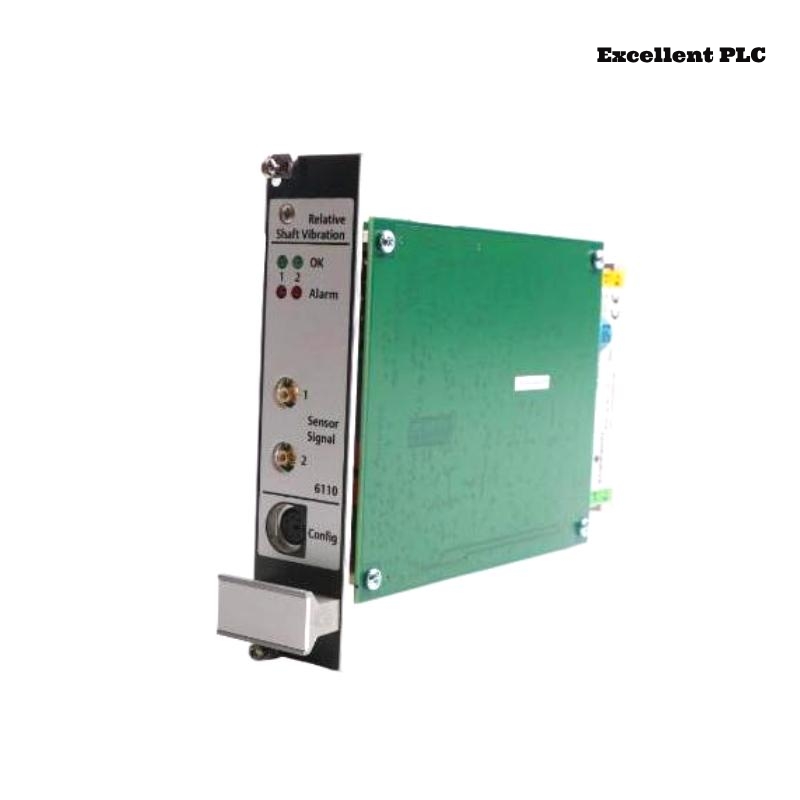
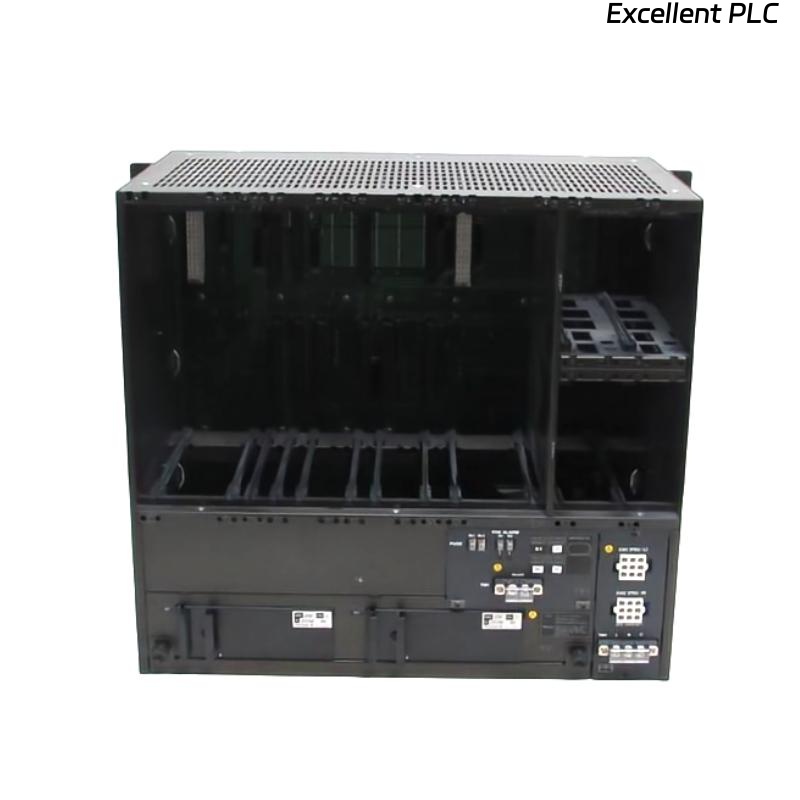
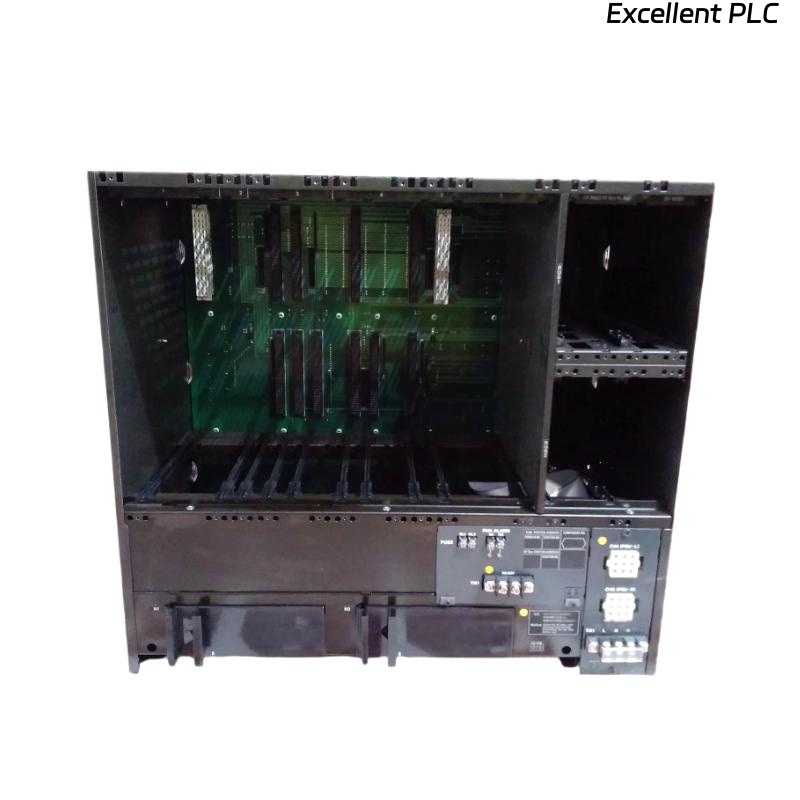
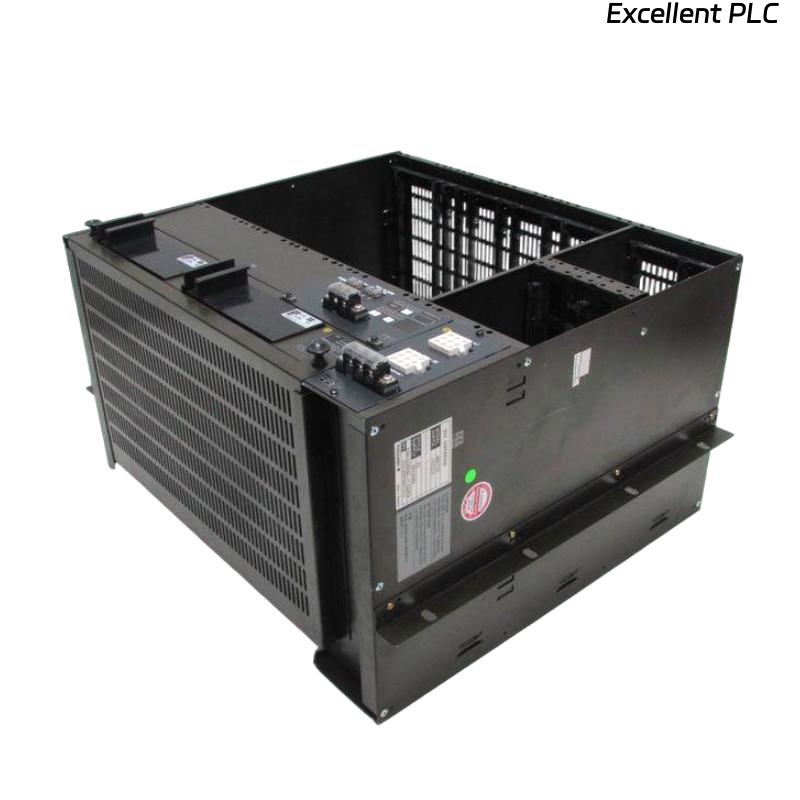
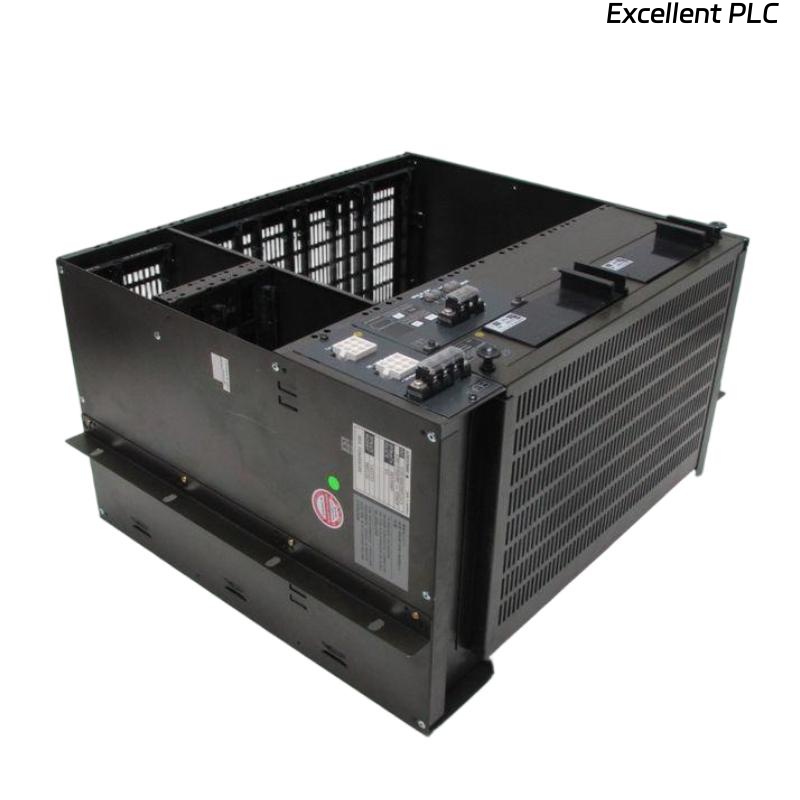
The Yokogawa ABC11D Dual-Redundant Bus Converter is an advanced communication interface module designed to enhance the reliability and integrity of data transmission within Yokogawa’s Distributed Control Systems (DCS). This module serves as a critical link that manages and converts bus signals between redundant communication paths, ensuring uninterrupted data flow even in the event of a failure in one of the communication channels.
The dual-redundant design allows the ABC11D to simultaneously monitor two separate bus lines, automatically switching between them without data loss or interruption. This feature is essential in high-availability industrial environments where system downtime can lead to costly production losses or safety hazards.
Product Specifications
| Specification | Details |
|---|---|
| Model | ABC11D |
| Type | Dual-Redundant Bus Converter |
| Communication Bus | Dual redundant bus lines (fieldbus, proprietary) |
| Data Transfer Rate | Up to 10 Mbps |
| Power Supply | 24 V DC |
| Power Consumption | Approx. 8 W |
| Operating Temperature | -20°C to +70°C |
| Storage Temperature | -40°C to +85°C |
| Humidity | 5% to 95% RH (non-condensing) |
| Dimensions (WxHxD) | 35 x 150 x 180 mm |
| Weight | 1.5 kg |
| Mounting | Rack-mounted in Yokogawa FCS system |
| Connection Interface | Terminal blocks, bus connectors |
| Fault Detection | Built-in self-diagnostics and fault isolation |
Product Applications
-
Distributed Control Systems (DCS): Ensures uninterrupted communication between control units by managing dual redundant buses.
-
Power Plants: Maintains critical data flow and communication redundancy to prevent operational disruptions.
-
Chemical Processing: Supports stable and safe control system communications in hazardous environments.
-
Manufacturing Automation: Enhances system reliability by reducing communication failures and downtime.
-
Refineries and Petrochemical Plants: Provides robust communication infrastructure essential for safety and efficiency.
-
Water and Wastewater Treatment: Facilitates reliable control system data exchange to ensure process stability.
Product Advantages
-
Dual-Redundancy: Offers automatic switching between two communication buses to maintain continuous data transmission.
-
High-Speed Data Transfer: Supports fast communication rates up to 10 Mbps to handle real-time control data.
-
Fault Detection & Diagnostics: Integrated self-monitoring detects and isolates faults early, minimizing maintenance time.
-
Compact and Robust: Designed for space-saving rack installation while enduring harsh industrial environments.
-
Versatile Connectivity: Supports various bus connector types, allowing flexible system configurations.
-
Energy Efficient: Low power consumption enhances system sustainability and reduces operational costs.
-
Seamless Integration: Fully compatible with Yokogawa FCS and other control system components, ensuring reliable network communication.
FAQ
-
What communication method does the ABC11D use for redundancy?
It uses dual-redundant bus lines to provide continuous communication by switching automatically if one line fails. -
How does the ABC11D detect a failure on one of the bus lines?
The module continuously monitors bus status and uses built-in diagnostics to identify faults promptly. -
What happens when a bus line fails during operation?
The ABC11D instantly switches to the alternate bus line without interrupting data transmission. -
What is the supported data transfer rate of the module?
It supports data transfer rates up to 10 Mbps for high-speed communication. -
What power supply voltage is required for the ABC11D?
The module requires a stable 24 V DC power supply. -
Does the ABC11D provide any self-diagnostic features?
Yes, it includes fault detection and isolation capabilities to maintain system integrity. -
Is the ABC11D compatible with other Yokogawa control system components?
It is fully compatible and designed to integrate smoothly within Yokogawa’s control system infrastructure. -
How does the ABC11D maintain data integrity during bus switching?
The module uses intelligent control to ensure seamless switching without data loss or corruption. -
Can the ABC11D function effectively in harsh industrial environments?
Yes, it is designed to operate reliably within a broad temperature range and high humidity conditions. -
What type of connectors are used for communication interfaces?
The module uses terminal blocks and bus connectors optimized for Yokogawa system compatibility.
Recommended Related Models
| Model | Description |
|---|---|
| ABC10D | Single bus converter module |
| ABC20D | Multi-bus converter with expanded capacity |
| ABC12D | Redundant bus converter with enhanced diagnostics |
| ABC30D | High-speed bus converter for advanced control |
| ABC11E | Next-generation dual redundant bus converter |
| ABC15D | Bus converter with extended temperature range |
Popular Yokogawa Models
| Model | Description |
|---|---|
| AAV141-S03 | Analog Input Module (16-channel, non-isolated) |
| AAI143-S03 | Analog Input Module (16-channel, isolated) |
| AAB841-S00 | Analog Input/Output Module (8 input/output channels) |
| AAI543-S00 | Analog Input Module (Isolated, 16 channels) |
| AAI835-S01 | Analog Input Module (Isolated, 8 channels) |
| AAV142-S01 | Analog Input Module (±10 V input, 16 channels) |