 Excellent PLC


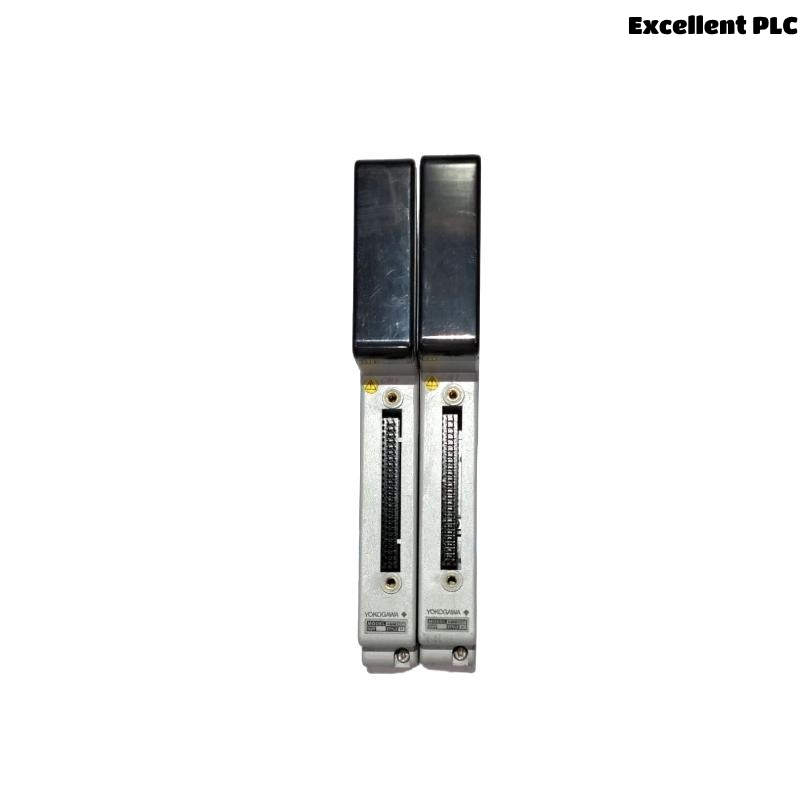
The Yokogawa AMM32C RTD Input Multiplexer Module is a 16-channel connector-type resistance temperature input module designed for Yokogawa CENTUM CS and CENTUM VP Distributed Control Systems (DCS). The module acquires multiple Resistance Temperature Detector (RTD) signals through multiplexing technology and converts resistance values into accurate digital temperature measurements for process monitoring and control. The AMM32C supports high-density RTD signal acquisition while reducing cabinet space and wiring complexity, making it suitable for power generation, petrochemical processing, oil and gas, pharmaceutical manufacturing, water treatment, and other industrial automation applications. The AMM32C is a 16-point connector-type RTD Input Multiplexer Module within Yokogawa’s RIO product family.
Contents
- 1. Product Overview
- 2. Main Features
- 3. Typical Applications
- 4. Installation Preparation
- 5. Module Installation
- 6. RTD Wiring
- 7. Module Configuration
- 8. Commissioning Procedure
- 9. Functional Verification
- 10. Preventive Maintenance
- 11. Practical Installation Case
- 12. Frequently Asked Questions
Product Overview
The AMM32C continuously scans up to sixteen RTD input channels and converts resistance measurements into digital temperature values for the Yokogawa controller. Its connector-type design simplifies installation while maintaining high measurement accuracy and long-term reliability for industrial temperature monitoring applications.
Main Features
- 16-channel connector-type RTD input module
- Supports multiplexed RTD signal acquisition
- High-accuracy temperature measurement
- High-density connector interface
- Built-in diagnostic capability
- Compatible with Yokogawa CENTUM CS and CENTUM VP
- Reliable industrial design for continuous operation
- Optimized for distributed temperature monitoring
Typical Applications
- Distributed Control Systems (DCS)
- Steam and boiler temperature monitoring
- Heat exchanger supervision
- Reactor temperature control
- Storage tank temperature monitoring
- Power generation plants
- Oil and gas facilities
- Petrochemical processing
- Chemical manufacturing
- Water and wastewater treatment plants
Installation Preparation
- Verify the AMM32C module model.
- Review approved wiring diagrams.
- Confirm RTD sensor specifications.
- Inspect connector assemblies and field cables.
- Follow ESD protection procedures.
Module Installation
- Power down the controller if required.
- Insert the AMM32C into the designated connector-type I/O slot.
- Secure the module locking mechanism.
- Connect the RTD signal connector.
- Verify connector engagement.
- Restore controller power.
RTD Wiring
- Verify RTD sensor type.
- Wire RTD sensors according to system design.
- Inspect connector integrity.
- Use shielded instrumentation cable.
- Separate signal wiring from power cables.
- Verify cable grounding.
Module Configuration
- Assign RTD input channels.
- Select the correct RTD sensor type.
- Configure engineering units.
- Set measurement ranges.
- Configure alarm limits.
- Download controller configuration.
Commissioning Procedure
VERIFY MODULE INSTALLATION
CHECK RTD WIRING
APPLY SYSTEM POWER
CONFIGURE INPUT CHANNELS
VERIFY TEMPERATURE VALUES
CHECK DIAGNOSTICS
TEST ALARMS
CONFIRM NORMAL OPERATION
Functional Verification
- Verify all RTD channels respond correctly.
- Compare measurements with calibrated reference equipment.
- Verify engineering unit scaling.
- Confirm alarm functionality.
- Monitor measurement stability.
Preventive Maintenance
- Inspect connectors regularly.
- Verify RTD wiring integrity.
- Inspect cable shielding.
- Review diagnostic logs.
- Perform scheduled calibration verification.
- Maintain cabinet cleanliness and cooling.
Practical Installation Case
During a refinery modernization project, an AMM32C module was installed to acquire temperature measurements from sixteen Pt100 RTD sensors monitoring reactor vessels and heat exchangers.
Following commissioning:
- All RTD channels operated normally.
- Measured temperatures agreed with certified calibration equipment.
- Alarm functions operated correctly.
- The control system maintained stable temperature monitoring during continuous production.
Frequently Asked Questions
What is the primary function of the AMM32C?
The AMM32C acquires multiple RTD resistance signals through multiplexed scanning and converts them into accurate digital temperature measurements for Yokogawa CENTUM control systems.
How many RTD channels does the AMM32C support?
The AMM32C is a 16-point connector-type RTD Input Multiplexer Module.
What should be verified after installation?
Verify module installation, connector engagement, RTD wiring, sensor configuration, measured temperatures, diagnostics, alarm functions, and controller communication before placing the system into normal operation.
Summary
Proper installation of the Yokogawa AMM32C RTD Input Multiplexer Module ensures accurate multi-channel resistance temperature acquisition for Yokogawa CENTUM Distributed Control Systems. Correct RTD wiring, accurate configuration, systematic commissioning, and routine preventive maintenance maximize measurement accuracy, reliability, and long-term industrial process performance.