 Excellent PLC


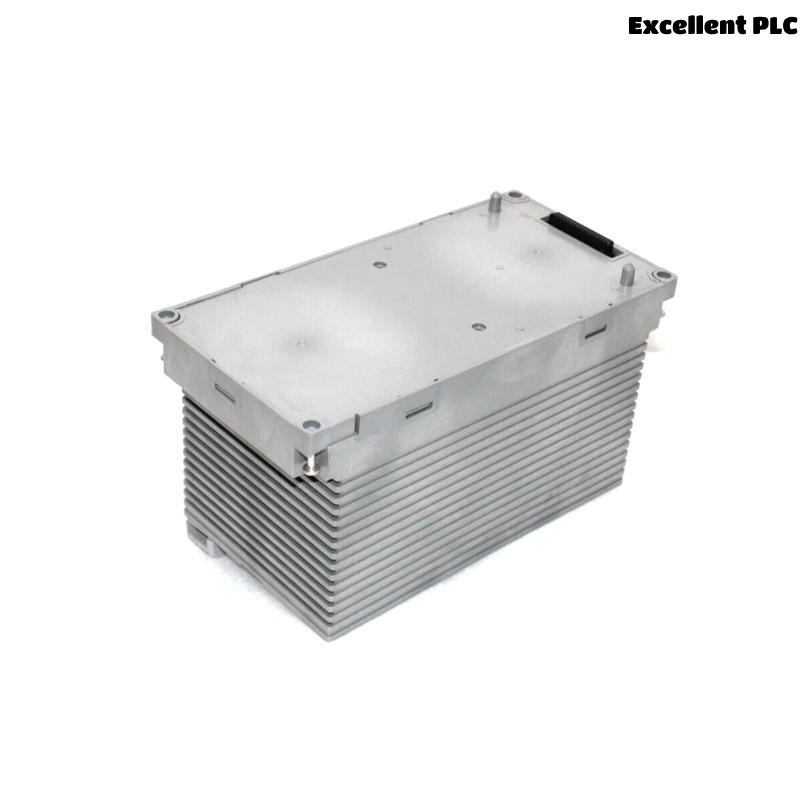
The Yokogawa AMN31 Terminal I/O Module Nest is a rack assembly designed for installing terminal-type I/O modules in Yokogawa CENTUM CS 3000 and CENTUM VP Distributed Control Systems (DCS). It provides the mechanical mounting platform, backplane interface, power distribution, and terminal wiring connections for compatible terminal-type digital I/O modules. Depending on the module type, the AMN31 nest can accommodate terminal-type digital I/O modules that connect directly to field wiring using screw terminals. The nest itself performs no signal processing; all digital input and output functions are handled by the installed I/O modules.
Contents
- 1. Understanding Rack Faults
- 2. Common Failure Symptoms
- 3. Typical Causes
- 4. Initial Hardware Inspection
- 5. Terminal I/O Module Verification
- 6. Field Wiring Verification
- 7. Diagnostic Analysis
- 8. Recommended Troubleshooting Workflow
- 9. Corrective Actions
- 10. Functional Recovery Verification
- 11. Preventive Maintenance
- 12. Industrial Maintenance Case
- 13. Frequently Asked Questions
Understanding Rack Faults
The AMN31 serves as the electrical and mechanical interface between terminal-type digital I/O modules and the Yokogawa controller. Since multiple I/O modules share the same nest, problems involving power distribution, backplane connections, terminal wiring, or module seating may affect numerous field signals simultaneously. Effective troubleshooting requires determining whether the fault originates from the rack, the installed module, field wiring, or controller configuration.
Common Failure Symptoms
- Terminal I/O modules are not recognized.
- Multiple digital input channels stop updating.
- Digital output channels fail to operate.
- DCS reports node or I/O communication alarms.
- Field contacts operate normally but DCS status does not change.
- Output devices remain energized or de-energized unexpectedly.
- Several channels fail simultaneously.
- Module status indicators display fault conditions.
Typical Causes
- Improper module installation.
- Loose backplane connection.
- Damaged terminal block wiring.
- Incorrect slot assignment.
- Power distribution failure.
- Loose screw terminal connections.
- Poor cabinet grounding.
- Contaminated connectors.
- Internal rack hardware failure.
Initial Hardware Inspection
- Inspect AMN31 mounting hardware.
- Verify module locking mechanisms.
- Inspect backplane connectors.
- Check screw terminal tightness.
- Inspect cabinet cleanliness.
- Verify rack power supply.
Terminal I/O Module Verification
- Reseat installed I/O modules.
- Verify slot assignments.
- Inspect connector contacts.
- Check module diagnostic LEDs.
- Confirm controller communication.
- Review DCS diagnostic messages.
Field Wiring Verification
- Verify digital input wiring continuity.
- Measure field voltage levels.
- Inspect screw terminal connections.
- Check output wiring polarity where applicable.
- Verify cable identification.
- Inspect grounding connections.
Diagnostic Analysis
| Observed Condition | Possible Diagnosis |
|---|---|
| All modules offline | Rack power loss or backplane communication failure |
| One module unavailable | Improper seating or module hardware failure |
| Multiple input failures | Power distribution or connector problem |
| Outputs fail to switch | Configuration, field wiring, or output module fault |
| Intermittent communication | Loose connectors or vibration-related contact problem |
Recommended Troubleshooting Workflow
CHECK DCS DIAGNOSTICS
VERIFY RACK POWER
CHECK MODULE INSTALLATION
INSPECT TERMINAL CONNECTIONS
VERIFY SLOT CONFIGURATION
TEST DIGITAL INPUTS
TEST DIGITAL OUTPUTS
CONFIRM SYSTEM RECOVERY
Corrective Actions
- Reseat terminal I/O modules.
- Tighten loose screw terminals.
- Repair damaged field wiring.
- Clean connector contacts.
- Restore rack power.
- Correct module configuration.
- Improve grounding.
- Replace the AMN31 rack if internal hardware failure is confirmed.
Functional Recovery Verification
- Verify all modules are detected.
- Confirm digital inputs update correctly.
- Verify digital outputs operate normally.
- Check communication status.
- Confirm alarms are cleared.
- Monitor long-term system stability.
Preventive Maintenance
- Inspect screw terminals during scheduled maintenance.
- Verify module locking mechanisms.
- Keep connectors clean.
- Check cabinet ventilation.
- Inspect grounding integrity.
- Review DCS diagnostic history.
Industrial Maintenance Case
During routine operation at a petrochemical facility, several terminal-type digital input signals connected through an AMN31 rack stopped updating simultaneously. Field switches were confirmed to operate correctly.
Inspection revealed that maintenance work had left several screw terminal connections insufficiently tightened, causing intermittent contact under cabinet vibration. After retightening the terminals, reseating the affected I/O module, and verifying communication:
- All digital input channels recovered.
- DCS communication alarms cleared.
- Field status indications updated correctly.
- The system resumed stable operation.
Frequently Asked Questions
Does the AMN31 process digital signals?
No. The AMN31 is a terminal I/O module nest that provides mounting, backplane connections, and terminal wiring. Signal processing is performed by the installed terminal-type I/O modules.
How many terminal-type digital I/O modules can be installed?
According to Yokogawa documentation, up to two terminal-type digital I/O modules can be installed in one AMN31 nest, with field wiring connected directly to the module screw terminals.
What should be checked before replacing the AMN31?
Verify rack power, module seating, backplane connectors, screw terminal wiring, slot configuration, controller diagnostics, and individual I/O module operation before concluding that the rack assembly has failed.
Summary
Effective troubleshooting of the Yokogawa AMN31 Terminal I/O Module Nest requires systematic verification of rack power, module installation, backplane connections, terminal wiring, grounding, and DCS diagnostics. Proper preventive maintenance ensures reliable terminal I/O communication, stable digital signal transmission, and dependable long-term operation of Yokogawa CENTUM Distributed Control Systems.