 Excellent PLC


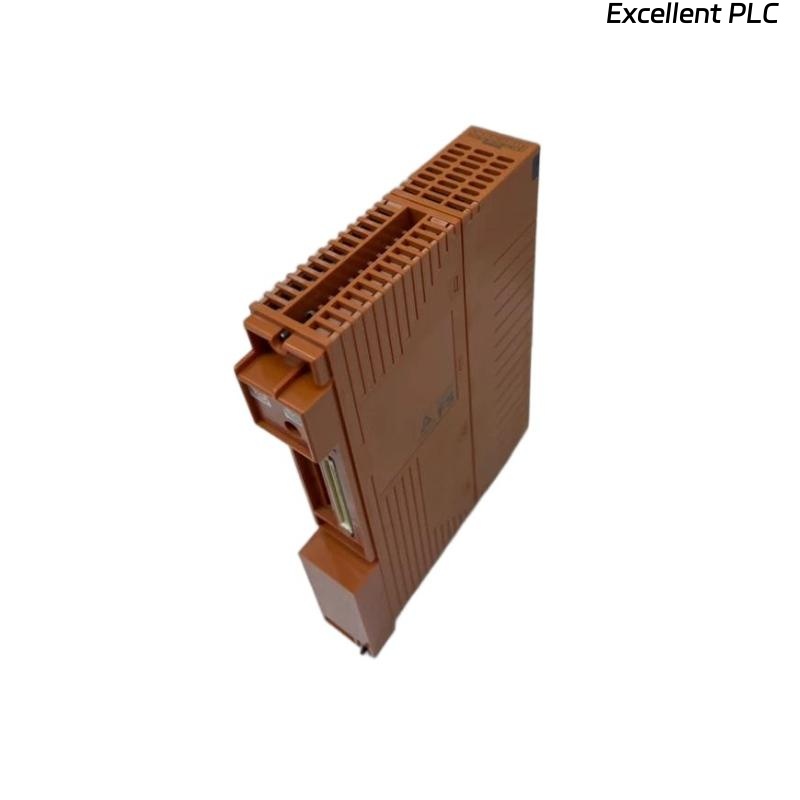
The Yokogawa CP451 CPU module is designed for high-availability operation in CENTUM DCS systems. However, under certain conditions, cold start failures can occur—where the CPU fails to initialize after complete power removal. This article examines the causes, diagnostic steps, and engineering remedies for such failures.
1. Understanding Cold Start Failure
A cold start occurs when the CPU is powered on after being fully disconnected from AC/DC sources. A cold start failure is characterized by the CPU module failing to complete its POST (Power-On Self-Test), firmware loader stage, or Vnet/IP network registration. Unlike warm restarts or watchdog resets, cold start failures are often tied to hardware integrity, environmental factors, or memory/firmware issues.
2. Observed Field Symptoms
During a plant shutdown and restart procedure, operators reported:
-
CPU RUN LED did not illuminate
-
ERR LED blinked in non-standard pattern
-
Vnet/IP communication did not initialize
-
HMI showed module offline and unable to connect
-
Cold start cycle repeated continuously without completion
No power supply alarms were logged, and other modules in the cabinet initialized normally.
3. Root Cause Analysis
Investigation identified several potential contributors:
A. Battery and RTC Issues
-
Backup battery depleted or corroded, preventing initialization of RTC-dependent routines
-
Lost memory retention caused CPU to fail program load
B. Firmware Corruption
-
Interrupted power during firmware updates in previous shutdowns caused incomplete images
-
Flash memory sectors failed integrity checks
C. Environmental Factors
-
Cold ambient temperature (<10°C) caused delayed capacitor charging and voltage stabilization
-
High humidity led to transient condensation on PCB surfaces
D. PSU and Cabling
-
Slightly loose DC connector caused voltage dips during initial startup
-
PSU voltage nominal but insufficient to handle cold inrush current
4. Diagnostic Procedure
Step 1 — Power Verification
-
Measured DC voltage at CPU terminals during startup
-
Verified ripple and surge within tolerance
Step 2 — Firmware Health Check
-
Connected service console to attempt firmware loader access
-
Checked CRC integrity of flash memory sectors
Step 3 — Environmental Assessment
-
Measured cabinet temperature and relative humidity
-
Examined PCB for moisture or corrosion
Step 4 — Battery Verification
-
Measured voltage and internal resistance of backup battery
-
Observed leakage or oxidation on terminals
Step 5 — Module Replacement Testing
-
Swapped CPU with known good unit to confirm issue isolated to original module
5. Corrective Actions Implemented
-
Firmware Reflash
-
Recovered corrupted image using service interface
-
Verified all memory sectors and checksum
-
-
Battery Replacement
-
Replaced OEM-approved backup battery
-
Cleaned and protected terminals against corrosion
-
-
Environmental Improvements
-
Installed local heater for cabinet to prevent cold startup issues
-
Added moisture-absorbing material for humidity control
-
-
Power Supply Adjustment
-
Ensured tight DC connections
-
Added soft-start resistor to prevent inrush dips during startup
-
After these actions, the CP451 module successfully completed cold startup and resumed normal operation.
6. Preventive Measures
| Task | Recommended Interval |
|---|---|
| Backup battery check and replacement | Every 2–3 years |
| Firmware integrity check | Annually |
| Cabinet temperature & humidity monitoring | Semi-annually |
| PSU and connector inspection | Quarterly |
| Cold start simulation test | Annually |
7. Lessons Learned
-
Cold start failures are often cumulative, caused by a combination of battery degradation, firmware corruption, and environmental conditions.
-
Proper UPS integration, battery monitoring, and firmware integrity validation are critical.
-
Regular preventive testing—including cold start simulations—ensures CPU readiness in emergency shutdowns.
Conclusion
Cold start failure of a Yokogawa CP451 CPU module can halt plant operations and impact production. Early detection through preventive maintenance, battery replacement, environmental monitoring, and firmware verification ensures reliable module startup, even after prolonged power outages.