 Excellent PLC


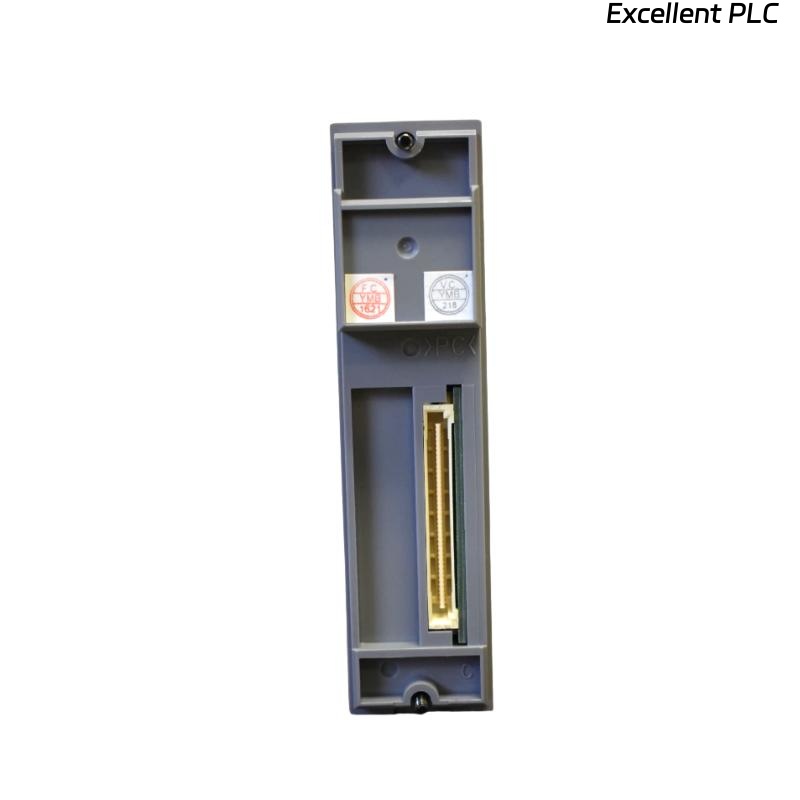
This maintenance log covers a real-world scenario where a Yokogawa EB402 bus interface module stopped communicating after a control cabinet experienced partial flooding due to an HVAC drain blockage. The failure was progressive rather than immediate, making it more challenging to diagnose.
Maintenance Log Summary
-
Device: Yokogawa EB402 Bus Interface Module
-
System Type: DCS Field I/O Bus Shelf
-
Location: Lower section of Cabinet C-17
-
Environment: High humidity after water ingress
-
Failure Behavior: Gradual bus communication loss over 36 hours
Environmental Incident Details
The HVAC unit installed above the control cabinets developed a condensate drain clog, causing water to overflow and drip into the cabinet row. The leaking lasted approximately 4–5 hours, with estimated accumulation of ~3 liters inside the lower racks.
Measured humidity values on site:
| Time | Temp | RH% |
|---|---|---|
| T0 (pre-incident) | 22.1°C | 42% |
| +6 hours | 21.6°C | 81% |
| +12 hours | 21.8°C | 93% |
Humidity above 80% RH is known to accelerate PCB surface leakage and oxidation of connectors.
Failure Symptom Timeline
| Time After Flooding | System Behavior |
|---|---|
| 0h | No visible issue |
| +12h | Intermittent I/O timeout |
| +24h | Bus retries spike (×40 baseline) |
| +36h | EB402 offline, shelf isolated |
The slow degradation indicated electrolytic moisture paths rather than shorted components.
Physical Inspection Findings
When the cabinet was opened for inspection:
-
Water droplets visible on cable harnesses
-
EB402 module housing mildly damp
-
Backplane connector surface dull, small corrosion points
-
No burnt smell or blown components
Two cotton swabs tested positive for ionic residue, likely from dissolved dust and metallic particulates.
Electrical Measurements
Tests were performed after module removal:
| Test | Expected | Measured |
|---|---|---|
| Insulation (500 V) | >100 MΩ | 17–24 MΩ |
| Connector Contact | <100 mΩ | 390–420 mΩ |
| Voltage Drop | <2% | 9% |
Values pointed to surface leakage + connector oxidation.
Recovery Procedure
To restore functionality, the following procedure was applied:
-
Flush connectors with IPA (99%)
-
Dry module in low-heat chamber at 55°C for 3 hours
-
Ultrasonic clean backplane connector (detached)
-
Apply anti-corrosive contact protectant (thin layer)
-
Re-test insulation
-
Reinstall module
Post-recovery electrical values:
| Test | After Cleaning |
|---|---|
| Insulation | 186 MΩ |
| Connector | 52–61 mΩ |
| Voltage Drop | 1.4% |
Bus Communication Verification
A short Python script was used to validate bus data integrity for 2 hours:
Result:CRC Errors: 3 (acceptable, baseline target <5 errors per 2h for this facility)
Root Cause Assessment
The EB402 module itself was not defective, but:
-
High humidity enabled ionic conduction paths
-
Oxidation increased contact resistance
-
Resulting voltage drop caused bus instability
This is an example of environment-induced latent failure, not electrical overstress.
Preventive Measures Implemented
✔ Added condensate overflow alarm to HVAC system
✔ Installed cabinet drip shields above DCS racks
✔ Added humidity sensors with SNMP reporting
✔ Scheduled quarterly connector inspections
These measures target the major risk categories: water → ions → leakage → failure.
Conclusion
The Yokogawa EB402 did not suffer catastrophic failure but became non-operational due to water-related environmental contamination. After proper cleaning, drying, and reconditioning, the module was returned to service without replacement. This case highlights how environmental control is as critical as electrical protection for DCS infrastructure.