 Excellent PLC


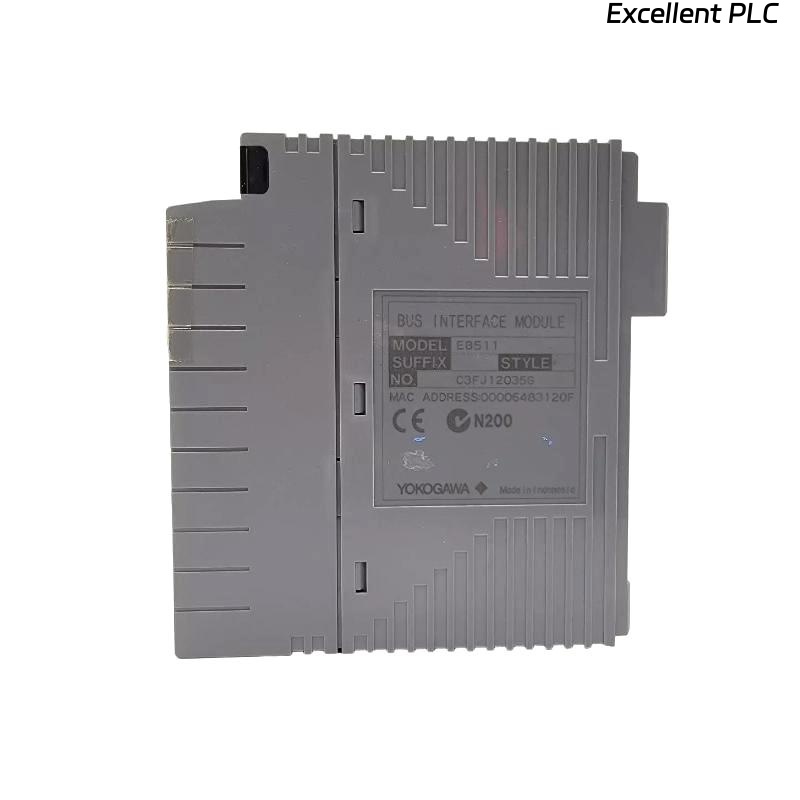
In chemical process industries, electronic modules often fail not from electrical stress but from long-term chemical exposure. Chlorine compounds, sulfur gases, and acidic vapors attack connectors, solder joints, and shielding materials. This field report documents how a Yokogawa EB511 bus interface module failed after prolonged exposure to corrosive gases inside a polymer production plant.
1. Operating Environment
-
Industry: Polymer and resin manufacturing
-
Module: Yokogawa EB511 Bus Interface Module
-
Location: Control I/O cabinet 22
-
Ambient Condition: 33–48°C, high humidity
-
Air Contaminants Detected: HCl, Cl₂, SO₂ traces
-
Exposure Duration: ~4.3 years
-
Cabinet Protection: IP54 (not airtight), passive ventilation
This cabinet was not over-stressed electrically; instead, it was chemically attacked over years.
2. Field Symptoms (Early → Late)
Failures evolved slowly:
Stage 1 — After ~1.2 years:
-
Occasional bus retries
-
No LEDs indicating failure
-
Operators ignored intermittent alarms
Stage 2 — After ~2.5 years:
-
Communication dropouts during humidity spikes
-
CRC errors increased during morning shifts
-
Ground bonding resistance increased
Stage 3 — Final stage (~4.3 years):
-
Permanent loss of bus communication
-
ERR LED blinking with diagnostic state
-
Replacement required
This slow degradation pattern is typical of corrosion.
3. Physical Inspection
After removal, the following corrosion-related clues were found:
3.1 Connector Corrosion
-
Green/blue deposits on copper alloy surfaces (copper chloride)
-
Tarnished tin plating
-
Slight pitting on pin surfaces
3.2 PCB Corrosion
-
Darkened solder mask near transceivers
-
White crystalline residues around PCB pads
-
Dull solder joints (loss of luster = oxidation)
3.3 Shielding & Grounding
-
Shield drain wire showed black sulfide tarnish
-
Cabinet ground bonding resistance exceeded specifications
These findings correlate with chlorine and sulfur environments.
4. Chemical Mechanism Explanation
Chlorine-based compounds react with copper:
Sulfur gases react as:
Effects on electronics include:
✔ Increased contact resistance
✔ Intermittent signal transmission
✔ Loss of differential signal integrity
✔ Poor shielding continuity
✔ Elevated noise coupling
Corrosion acts like a slow poison rather than a catastrophic failure.
5. Data Logging and Analysis
The plant historian provided CRC error logs from the bus master. The reliability engineering team exported the data in CSV format for analysis.
Example snippet of field log processing in Python:
Over 90 days, the trend was:
| Month | Avg CRC Errors/Day |
|---|---|
| January | 48 |
| February | 73 |
| March | 109 |
This rising trend strongly aligns with corrosion progression.
6. Replacement Decision & Engineering Response
The maintenance team performed:
✔ Connector cleaning (IPA + micro brush)
✔ Shield retermination
✘ No long-term improvement
Therefore:
-
EB511 was replaced
-
Cabinet environmental upgrade initiated
Mitigation Actions Implemented
-
Installed positive-pressure purge system
-
Added chemical-rated filters (activated carbon + acid neutralizer)
-
Raised cabinet protection from IP54 → IP66
-
Scheduled connector re-termination cycle every 12 months
-
Introduced corrosion coupons for exposure measurement
7. Preventive Recommendations for Chemical Plants
To avoid similar failures:
✔ Use conformal-coated PCB hardware
✔ Convert to sealed cabinet design with purge air
✔ Avoid passive venting in corrosive environments
✔ Specify gold-plated connectors for low-level signals
✔ Monitor humidity + corrosion index
✔ Replace cables with chemical-resistant insulation
Optional upgrades include:
-
Stainless steel cabinet hardware
-
EPDM or PTFE cable grommets
-
Gold-over-nickel contact finishing
8. Conclusion
Corrosion-related electronic failures are quiet but devastating in chemical process environments. The Yokogawa EB511 module did not fail instantly; instead, corrosive gases slowly attacked contacts and solder joints, degrading signal fidelity over years. Replacement combined with environmental hardening was the only sustainable solution.