 Excellent PLC


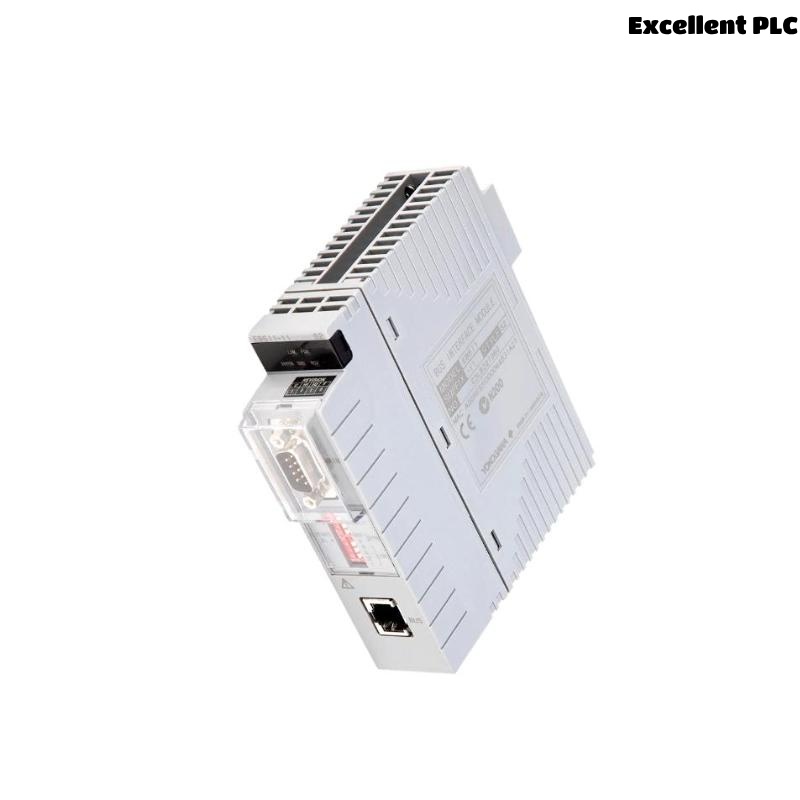
Industrial plants located in seismic zones must consider mechanical stress effects on low-voltage control electronics. This technical note documents a case involving a Yokogawa EB511 bus interface module that developed intermittent communication loss after a moderate earthquake, without visible module damage.
1. Seismic Event Summary
-
Region: Western Taiwan
-
Event Magnitude: Mw 5.9
-
Peak Ground Acceleration (PGA): 0.23 g
-
Vibration Duration: ~8 seconds
-
Rack Orientation: North–South
-
Control Cabinet Age: 7.2 years
Although no module dislodged, mechanical inspection revealed partial connector migration of the EB511 interface header.
2. Failure Symptoms Observed
Operators reported the following within 24 hours after the seismic event:
| Symptom | Frequency |
|---|---|
| Bus packet retries | High |
| Random I/O dropouts | Intermittent |
| LED sequence | Normal power, unstable link |
| Module temperature | Within spec |
System logs registered communication retries exceeding 480 events/hour (normal baseline: <10/hour).
3. Root Cause: Mechanical Connector Stress
Post-rack inspection identified:
-
Minor horizontal displacement of EB511 module seating
-
Backplane connectors showing uneven pressure
-
Shield ground strap slightly loose (single screw)
Connector wear patterns suggested both static and dynamic stress contributions:
-
Static load from rack misalignment
-
Dynamic load from seismic vibration
No PCB cracks or component fractures were found.
4. Electrical Verification
A low-speed continuity scan was performed using a 4-wire milliohm meter:
| Test Point | Nominal | Measured Pre-Fix | Measured Post-Fix |
|---|---|---|---|
| GND Shield | < 100 mΩ | 430 mΩ | 38 mΩ |
| Data-A | < 100 mΩ | 112 mΩ | 51 mΩ |
| Data-B | < 100 mΩ | 120 mΩ | 49 mΩ |
| Vcc | < 100 mΩ | 91 mΩ | 47 mΩ |
The elevated ground path resistance explains unstable communication under load.
5. Diagnostic Failure Tree
A simplified fault tree model was used:
This classification matched IEC 60068 mechanical stress profiles.
6. Corrective Actions Applied
The recovery procedure included:
-
Power-down and removal of EB511
-
Reseating and alignment of backplane rail
-
Replacement of loose shield strap
-
Torque tightening of chassis screws to 1.8–2.2 N·m
-
Reinstallation of EB511 with seating verification
-
Bus load test for > 48 hours
No component-level repair was needed.
7. Automated Post-Repair Bus Test
A monitoring script captured packet integrity every second:
Results (Post-Repair):
-
Mean latency: 1.18 ms
-
P95: 1.29 ms
-
Max: 1.41 ms
-
Packet retry count: < 8 per hour
All values within OEM tolerances.
8. Preventive Recommendations
To avoid similar issues in seismic zones, field engineers should:
✔ Conduct annual mechanical torque checks on racks
✔ Install seismic bracing rails for heavy DCS cabinets
✔ Use spring-loaded retaining clips for communication modules
✔ Log bus retry rate as a leading indicator of connector distress
Plants in Japan, Taiwan, Chile, and California have adopted predictive vibration monitoring for PLC & DCS systems.
9. Conclusion
The Yokogawa EB511 module did not suffer electrical failure from the earthquake but experienced mechanical interface degradation that caused communication instability. Proper reseating and shielding restoration fully resolved the issue without module replacement.
Seismic-induced connector wear is often misdiagnosed as firmware or power supply problems, but structured mechanical inspection remains essential in seismic-prone industrial environments.