 Excellent PLC


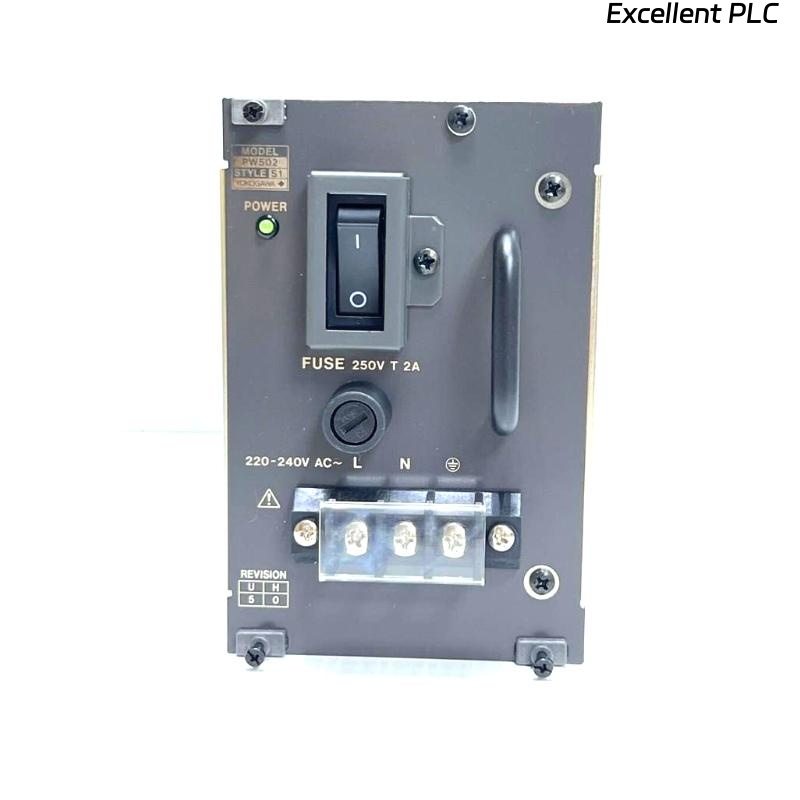
At an industrial site in Japan, a technician attempted to hot-swap a PW502 module without powering down the system. Within seconds, the module’s output dropped, and several I/O cards reported errors. This case highlights how operator mistakes can quickly compromise power modules.
1. How Human Error Damages PW502
Common mistakes include:
-
Hot-plugging while system is live
-
Incorrect insertion angle causing bent pins
-
Loose or forgotten screw connections
-
Using unapproved replacement modules
Even short exposure to misalignment or voltage spikes can trip internal protection circuits or damage PCB traces.
2. Symptoms Observed
-
Sudden drop in DC voltage
-
LED indicators blinking or off
-
Intermittent communication with field modules
-
Error logs referencing overcurrent or module fault
Unlike environmental damage, human error failures appear immediately.
3. Repair vs Replacement
-
Inspect connectors and PCB for visible damage
-
Minor misalignment may be corrected by reseating
-
Any bent pins or burnt traces → module replacement required
-
Avoid reusing modules that experienced overcurrent events
4. Field Replacement Steps
-
Power down system completely
-
Remove damaged module carefully
-
Inspect backplane and neighboring connectors
-
Install approved PW502 replacement
-
Verify voltage and communication for at least one shift
5. Preventive Recommendations
-
Only allow trained personnel to perform module replacement
-
Use clear labeling and standard operating procedures
-
Avoid hot-swapping unless the module is designed for live insertion
-
Consider redundant power configuration in critical areas
6. Key Takeaways
Human error is instant, obvious, and preventable. Clear SOPs and operator training significantly reduce PW502 downtime and protect surrounding modules.