Excellent PLC


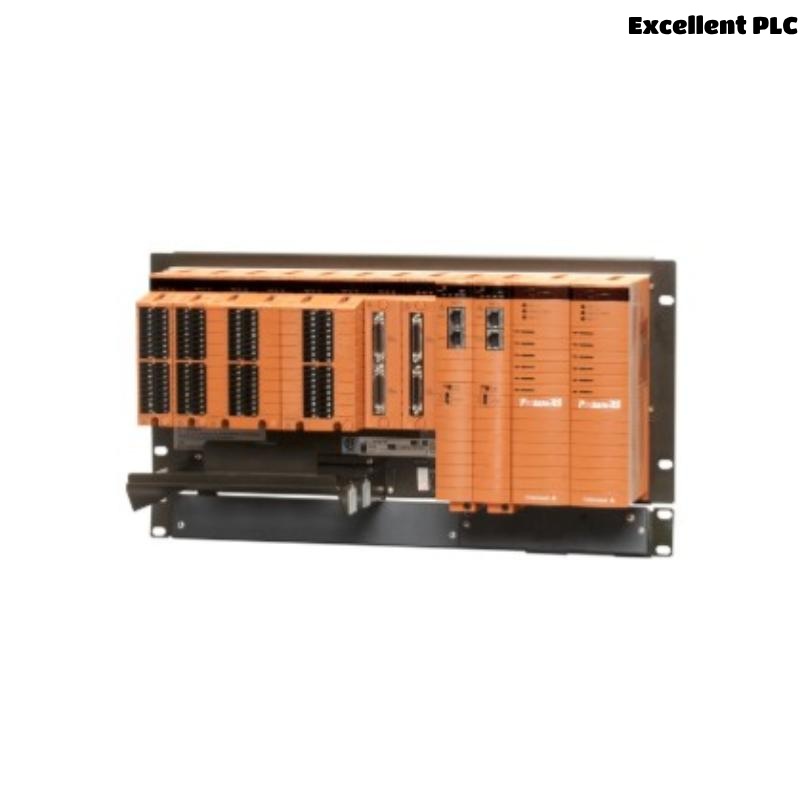


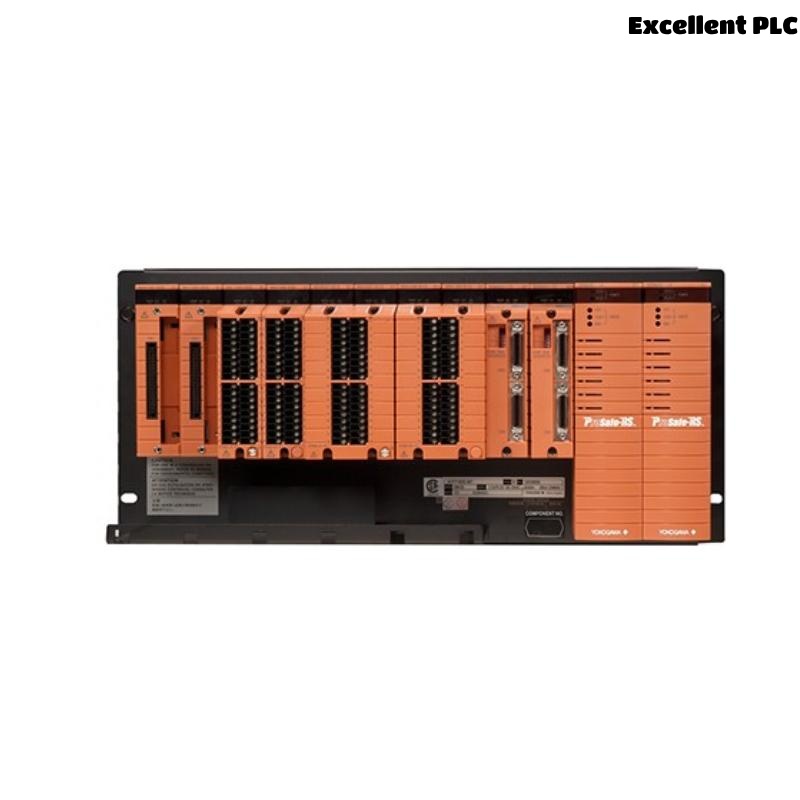
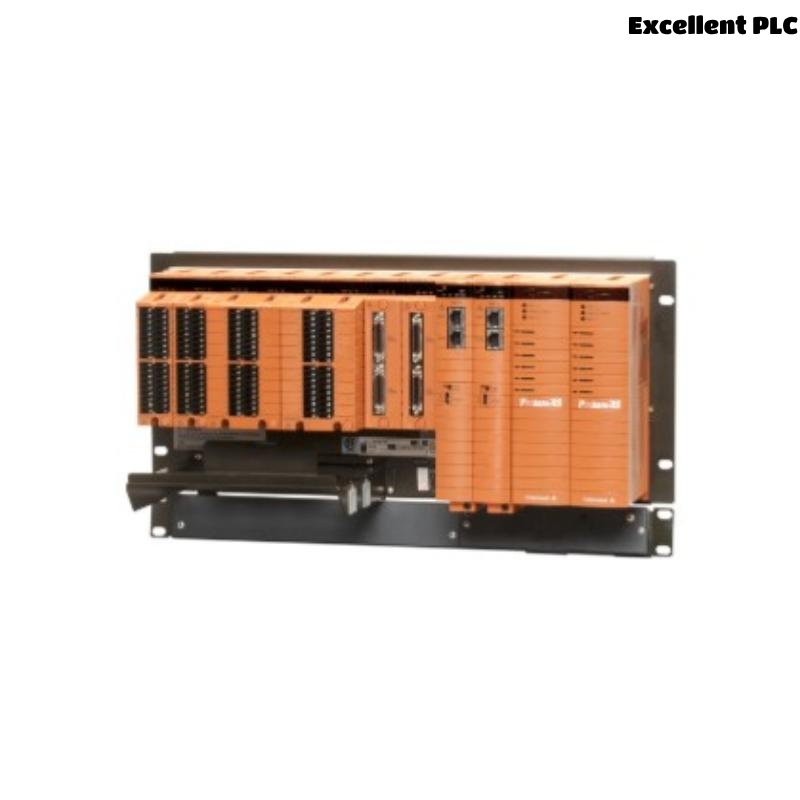
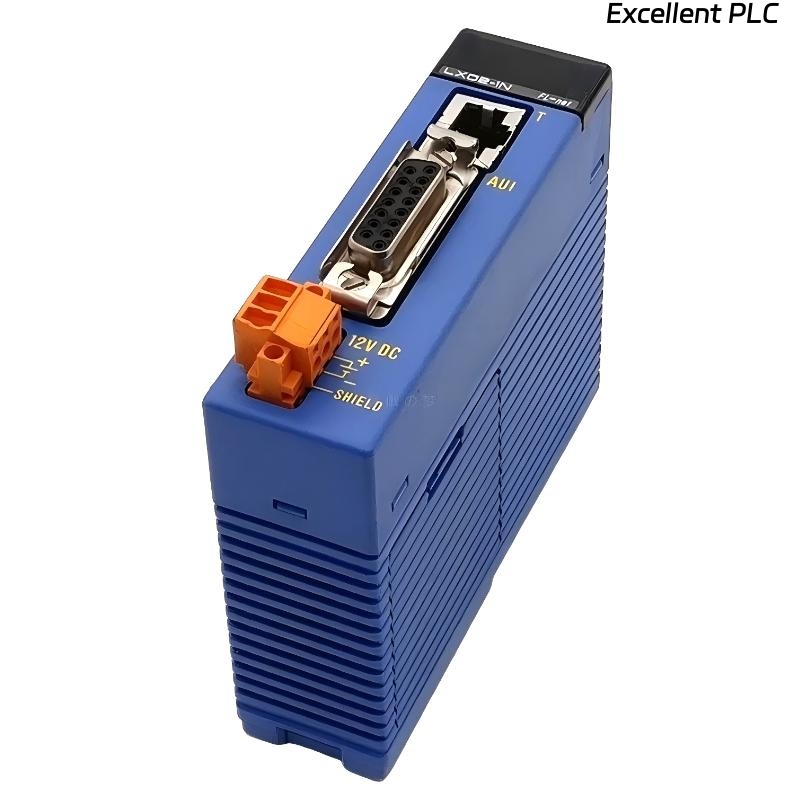
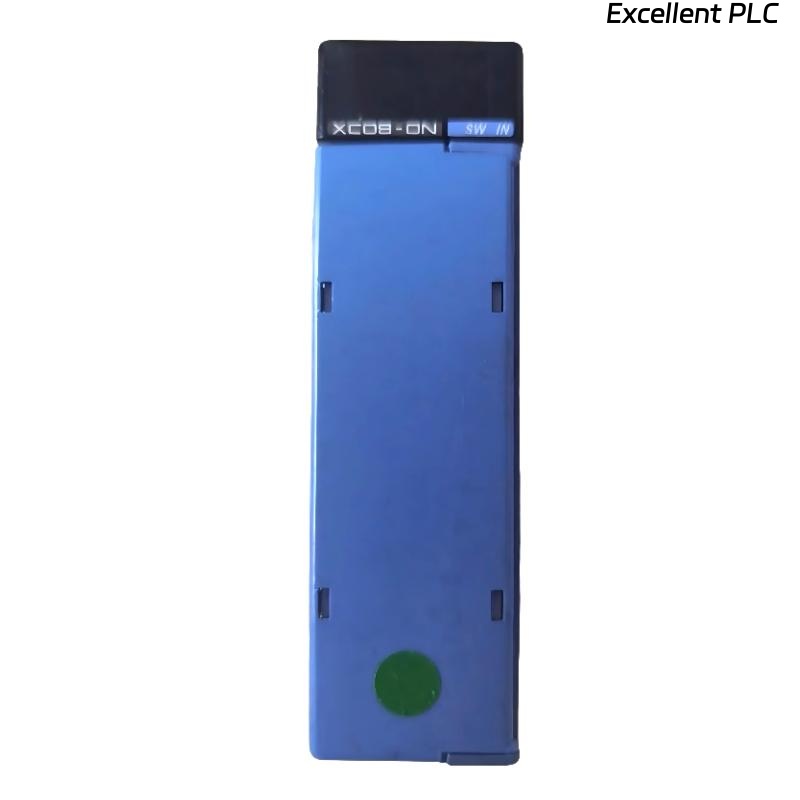
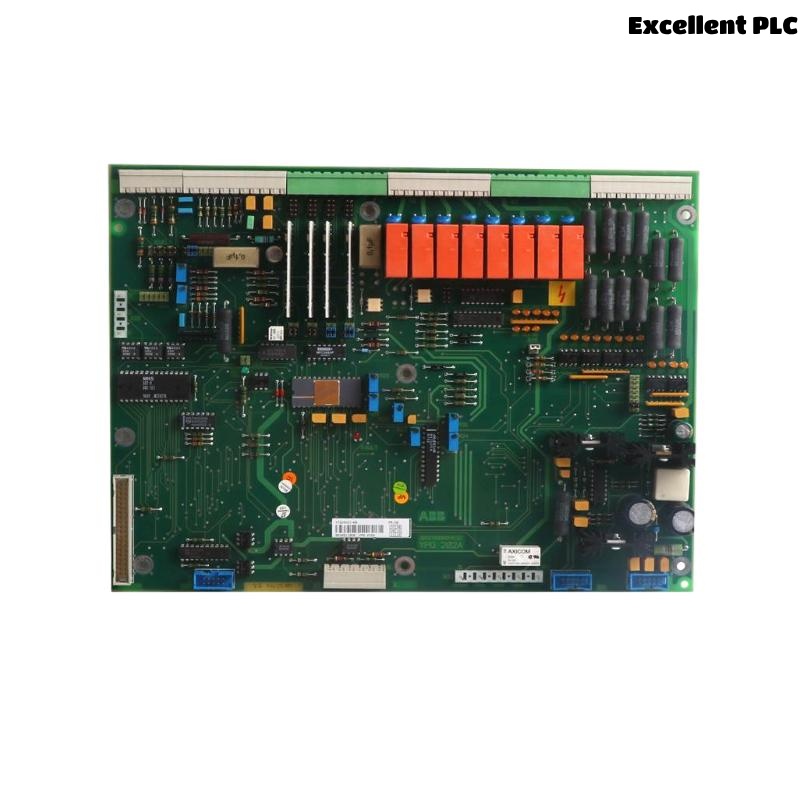
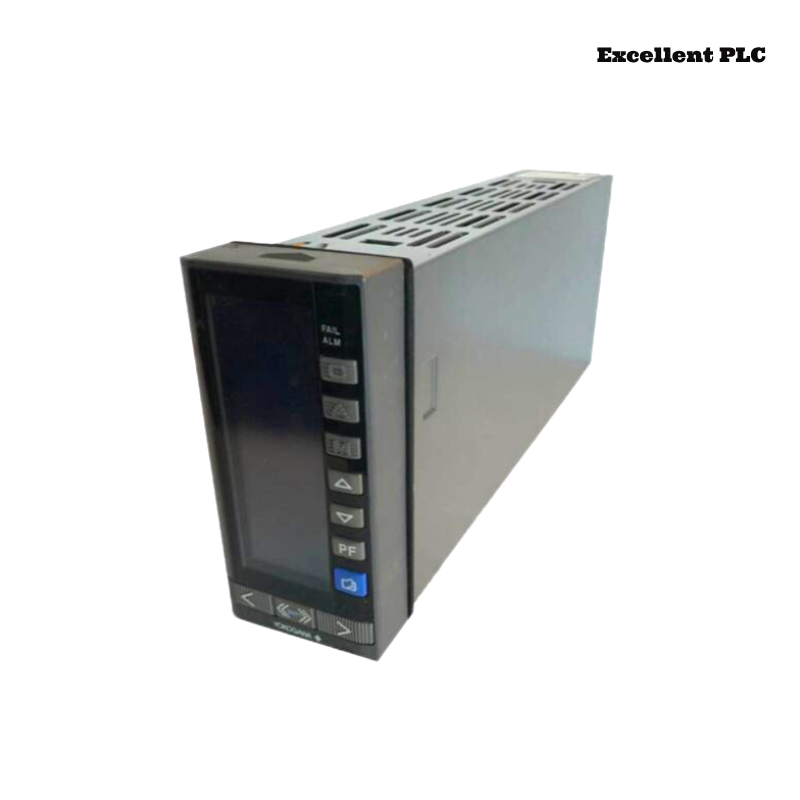
Yokogawa S2SC70D Duplexed Safety Control Unit
The Yokogawa S2SC70D Duplexed Safety Control Unit is a high-reliability, rack-mounted control unit designed for safety-critical applications. Supporting both N-IO and FIO architectures, it ensures dual-redundant operation, making it ideal for industries requiring stringent safety integrity.
Technical Specifications
| Parameter | Specification |
|---|---|
| Model | S2SC70D (Duplexed Safety Control Unit) |
| Processor | MIPS R5000 |
| Main Memory | 128 MB |
| Control Network | Dual-redundant Vnet/IP |
| Power Supply Options | 100–120 V AC / 220–240 V AC / 24 V DC |
| Power Consumption | 100–120 V AC: 200–240 VA / 24 V DC: 5.5–7.0 A |
| Operating Temperature Range | -20°C to +70°C (with wide-temp model) |
| Mounting | Rack-mounted |
| Dimensions (W×H×D) | 264.4 × 482.6 × 399.2 mm |
| Weight | Approx. 13 kg |
Applications
-
Safety Instrumented Systems (SIS) in process industries
-
Emergency shutdown (ESD) systems
-
Burner management systems (BMS)
-
Turbomachinery protection
-
Pipeline safety monitoring
-
Chemical and petrochemical plant control
Advantages
-
Dual-redundant configuration ensures high availability
-
Supports both N-IO and FIO, offering flexibility
-
Wide operating temperature range available
-
Modular, rack-mounted design simplifies maintenance
-
Meets international safety and EMC standards
-
Memory protection with non-volatile storage and battery backup
FAQ
Q1: What is the main advantage of the S2SC70D over the S2SC70S?
A1: The S2SC70D offers a duplexed (redundant) configuration, enhancing system reliability and fault tolerance.
Q2: Which communication network does it use?
A2: It uses dual-redundant Vnet/IP for control network communications.
Q3: Does the unit support both N-IO and FIO?
A3: Yes, it is compatible with both N-IO and FIO architectures.
Q4: What is the operating temperature range?
A4: The standard model operates from -20°C to +40°C; the wide-range model supports up to +70°C.
Q5: How is the application program protected during power failures?
A5: The program is stored in non-volatile memory with battery-backed storage for management data.
Q6: How many I/O nodes can be connected?
A6: Up to 32 N-IO nodes and 13 Safety Node Units can be connected.
Q7: What are the power supply options?
A7: It supports 100–120 V AC, 220–240 V AC, and 24 V DC power supplies.
Q8: How often should the backup battery be replaced?
A8: Recommended replacement cycle is every 3 years under normal temperature conditions.
Q9: Is it suitable for hazardous areas?
A9: Yes, explosion-protected versions are available with appropriate options.
Q10: How is it mounted?
A10: It is rack-mounted using standard M5 screws and comes with insulating bush accessories.
Recommended Related or Similar Yokogawa Models
| Model | Description | Dimensions (mm) | Weight |
|---|---|---|---|
| S2SC70S | Safety Control Unit (Single) | 264.4 × 482.6 × 399.2 | 7.9 kg |
| SCP461 | Processor Module (Style S2) | Module for SCS rack | N/A |
| SPW481 | Power Supply Module 100–120 V AC | Module for SCS rack | N/A |
| SPW482 | Power Supply Module 220–240 V AC | Module for SCS rack | N/A |
| SPW484 | Power Supply Module 24 V DC | Module for SCS rack | N/A |
| SNB10D | Safety Node Unit | Rack-mounted | N/A |
Popular Yokogawa Models
| Model | Description | Dimensions (mm) | Weight |
|---|---|---|---|
| CENTUM VP | Distributed Control System (DCS) | Varies | Varies |
| ProSafe-RS | Safety Instrumented System | Rack-mounted | Varies |
| STARDOM FCN | Network-based Controller | Compact module | Varies |
| DX2020 | Paperless Recorder | 288 × 288 × 260 | ~6 kg |
| EJX110A | Differential Pressure Transmitter | 120 × 150 × 150 | ~5 kg |
| YTA610 | Temperature Transmitter | Compact head-mounted | ~1 kg |