 Excellent PLC


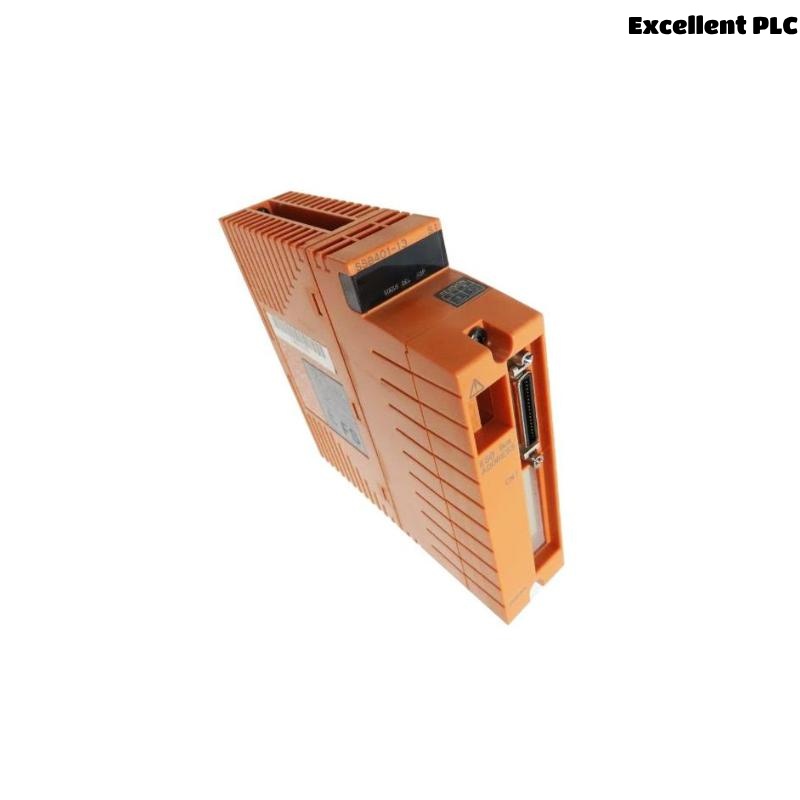
The Yokogawa SB401 Bus Interface Slave Module operates as a slave node within Yokogawa’s master–slave bus architecture. Understanding how the SB401 works at a system level is essential for proper system design, troubleshooting, and performance optimization.
This article explains the communication logic, data flow, and synchronization mechanism of the SB401 in a typical control system.
1. Master–Slave Bus Architecture Overview
In a master–slave bus system:
-
A master module controls bus timing and communication
-
One or more slave modules respond to master requests
-
Data exchange follows a deterministic polling sequence
The SB401 does not initiate communication independently; instead, it responds only when addressed by the master.
2. Role of the SB401 as a Slave Module
The SB401 is responsible for:
-
Receiving bus commands from the master
-
Interpreting addressing and control information
-
Transmitting I/O or status data back to the master
-
Maintaining synchronization with bus timing
It acts as a communication endpoint, not a decision-making unit.
3. Communication Sequence and Data Flow
A typical bus communication cycle involving the SB401 follows this sequence:
-
Master sends a poll request
-
SB401 checks address match
-
SB401 prepares response data
-
SB401 transmits data within the allocated time window
This deterministic sequence ensures predictable communication timing, which is critical in real-time control systems.
4. Addressing and Identification Mechanism
Each SB401 is assigned a unique slave address during configuration. The address determines:
-
Which commands the SB401 responds to
-
How data is mapped within the control system
Address conflicts will cause bus errors or data collisions, making correct configuration essential.
5. Synchronization and Timing Control
The SB401 relies on the bus master for synchronization:
-
No internal bus clock generation
-
All communication occurs within master-defined timing windows
-
Timeouts are monitored to detect communication failures
This design simplifies the slave module and improves overall system stability.
6. Data Integrity and Error Handling
To ensure reliable communication, the SB401 supports:
-
Frame integrity checks
-
Error detection and reporting
-
Status feedback to the master
Errors are typically logged at the system level rather than handled autonomously by the SB401.
7. Typical System-Level Integration
In a complete control system, the SB401 integrates as follows:
The SB401 ensures that field data is delivered accurately and on time to the control logic.
8. Engineering Implications
From a design and maintenance perspective:
-
SB401 behavior is predictable and deterministic
-
Most communication issues originate from addressing, timing, or master configuration, not the slave itself
-
Understanding the master–slave relationship simplifies troubleshooting
Conclusion
The Yokogawa SB401 Bus Interface Slave Module plays a crucial role in master–slave bus architectures by providing deterministic, address-based communication between field I/O and control systems. Its design prioritizes simplicity, synchronization, and reliability, making it well-suited for real-time industrial control environments.
A solid understanding of the SB401 working principle helps engineers design robust systems, diagnose communication issues efficiently, and ensure long-term operational stability.