Excellent PLC


Product Overview
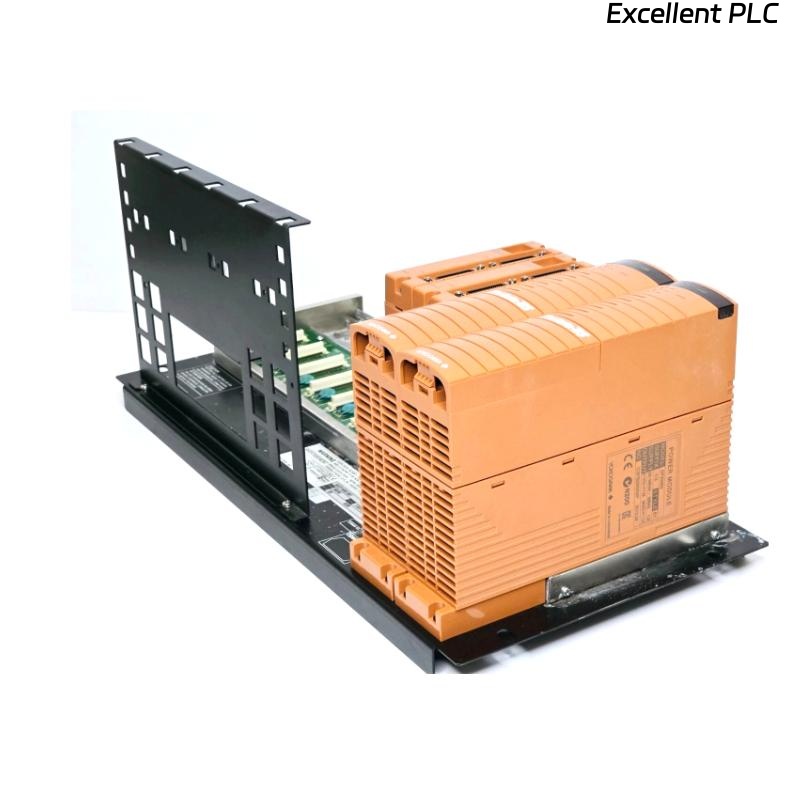
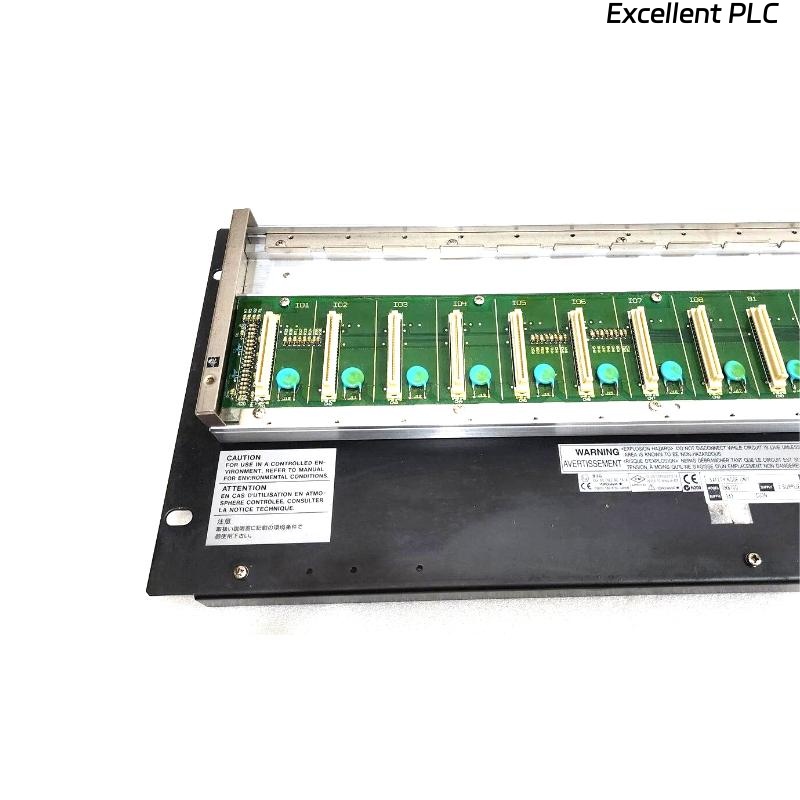
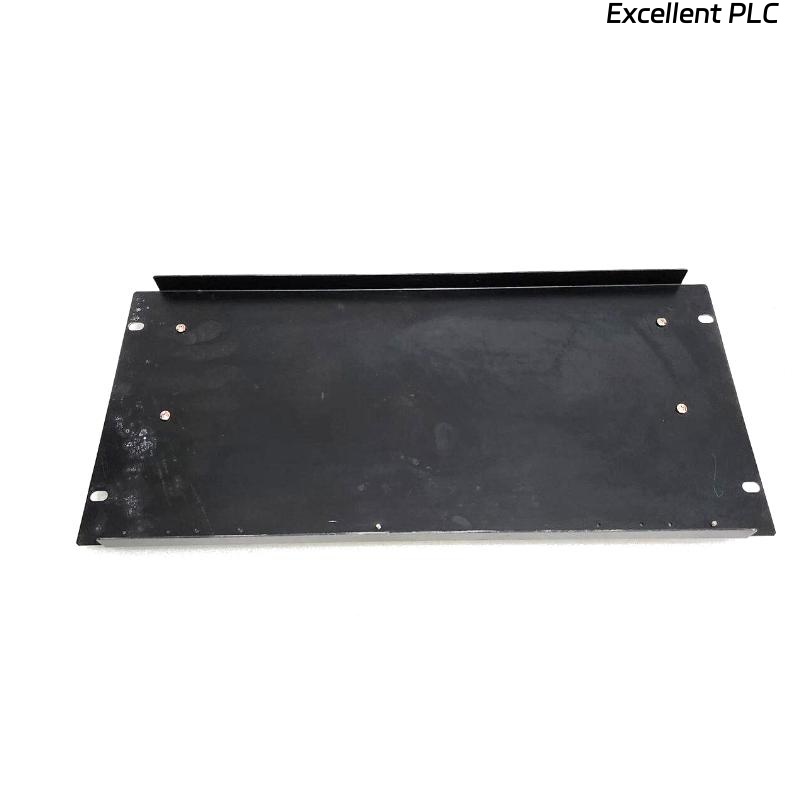
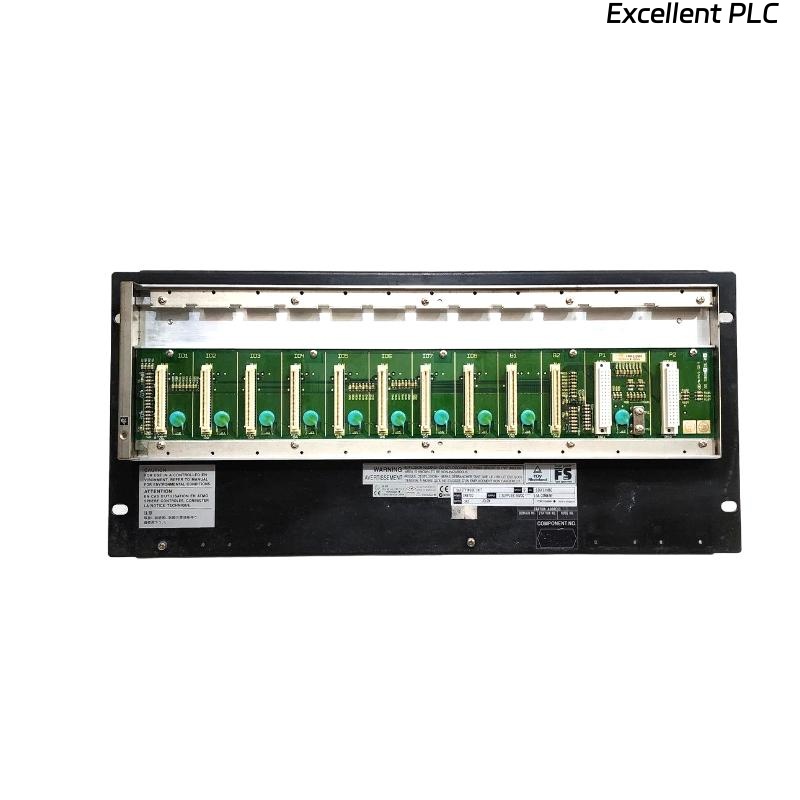
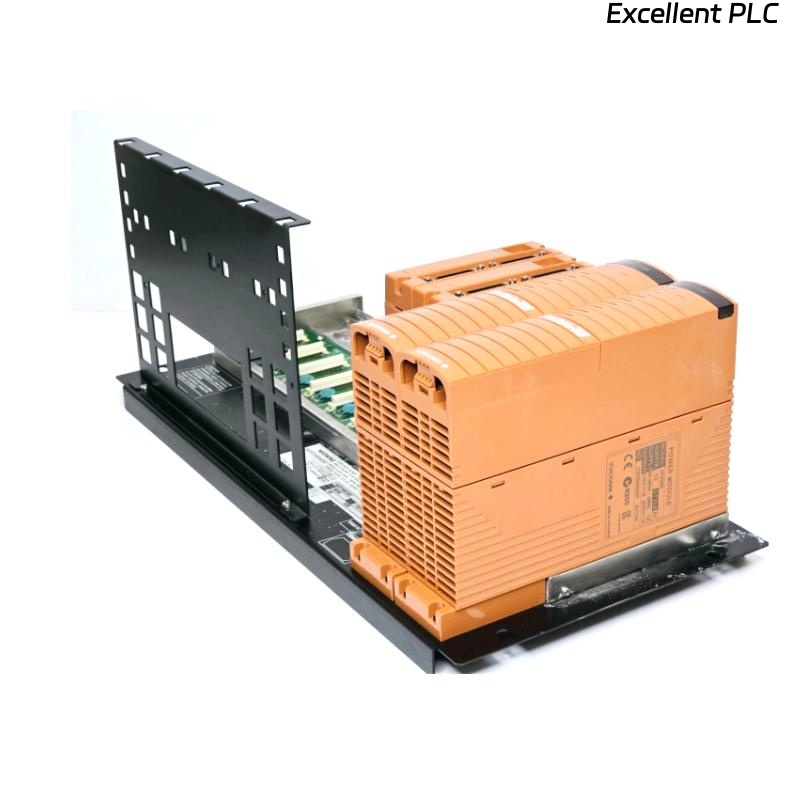
The Yokogawa SNB10D-223 Safety Node Unit is a critical module within the ProSafe-RS safety instrumented system (SIS). It serves as an interface between field devices and the safety control unit, transmitting analog and contact input signals while supporting redundant communication for high-reliability safety applications. Its modular design allows flexible integration with power supply, ESB bus interface, optical repeater, and I/O modules, making it suitable for various industrial processes.
Specifications
| Parameter | Specification |
|---|---|
| Power Supply Voltage | 220–240V AC, 50/60Hz |
| Operating Temperature | -20°C to 70°C |
| Humidity | 5% to 95% RH, non-condensing |
| Dimensions (W × H × D) | 482.6 × 221.5 × 205 mm |
| Weight | 5.9 kg |
| Mounting | 19-inch Rack |
| Communication | ESB (Enhanced Safety Bus), multiple protocols |
| Redundancy | Dual-redundant architecture |
| Modular Support | Power supply, I/O modules, bus interface, optical repeater |
Applications
-
Safety instrumented systems in process automation
-
Monitoring and controlling critical plant operations
-
Redundant safety signal management for chemical, oil & gas, and power plants
-
Interface between field devices and ProSafe-RS control units
Advantages
-
High Reliability: Dual-redundant architecture ensures continuous operation.
-
Modular Design: Flexible configuration with multiple module support.
-
Wide Environmental Tolerance: Operates in -20°C to 70°C and 5–95% humidity.
-
Compatibility: Supports multiple communication protocols for seamless integration.
-
Compact Form Factor: Standard 19-inch rack mounting for easy installation.
FAQ
1. What is the primary function of the SNB10D-223?
It transmits field input signals to the safety control system and supports redundant communication for safety-critical processes.
2. What kind of redundancy does it provide?
It features a dual-redundant architecture to maintain system reliability even in the event of a module failure.
3. Can it operate in harsh environments?
Yes, it operates between -20°C and 70°C and tolerates 5–95% relative humidity.
4. Which modules can be installed on this unit?
Power supply modules, ESB bus interface modules, optical ESB repeater modules, and I/O modules.
5. What is the communication protocol used?
It primarily uses the Enhanced Safety Bus (ESB) and supports multiple industrial protocols.
6. What are the physical dimensions and weight?
Dimensions: 482.6 × 221.5 × 205 mm; Weight: 5.9 kg.
7. Is it rack-mountable?
Yes, it is designed for 19-inch standard rack mounting.
8. Can it integrate with other Yokogawa SIS modules?
Yes, it is fully compatible with other ProSafe-RS modules.
9. Does it require a dedicated power supply?
Yes, it includes dedicated power supply modules for proper operation.
10. Which industries commonly use this unit?
Chemical, petrochemical, oil & gas, and power generation industries requiring safety instrumented systems.
Related Models
| Model | Description | Dimensions (mm) | Weight (kg) |
|---|---|---|---|
| SNB10D-223/CU2N | Standard Safety Node Unit | 482.6 × 221.5 × 205 | 5.9 |
| SNB10D-223/CU2T | Safety Node Unit with ESB terminator | 482.6 × 221.5 × 205 | 5.9 |
| SNB10D-221 | Safety Node Unit, 16 I/O channels | 482.6 × 221.5 × 205 | 5.5 |
| SNB10D-222 | Safety Node Unit, 32 I/O channels | 482.6 × 221.5 × 205 | 6.0 |
| SNB10D-224 | Safety Node Unit with enhanced I/O capacity | 482.6 × 221.5 × 205 | 6.2 |
| SNB10D-225 | Redundant Safety Node Unit | 482.6 × 221.5 × 205 | 6.5 |
Popular Yokogawa Models
| Model | Function | Dimensions (mm) | Weight (kg) |
|---|---|---|---|
| SNB10A-101 | Standard Control Node Unit | 482.6 × 221.5 × 205 | 5.0 |
| SNB10B-201 | High-speed Safety Node Unit | 482.6 × 221.5 × 205 | 5.2 |
| SNB20C-301 | Advanced Process Node Unit | 482.6 × 221.5 × 205 | 5.8 |
| SNB10D-230 | Safety Node Unit with communication interface | 482.6 × 221.5 × 205 | 5.9 |
| SNB10D-231 | Safety Node Unit with I/O expansion | 482.6 × 221.5 × 205 | 6.0 |
| SNB10D-232 | High-capacity Safety Node Unit | 482.6 × 221.5 × 205 | 6.3 |