Excellent PLC


Product Introduction
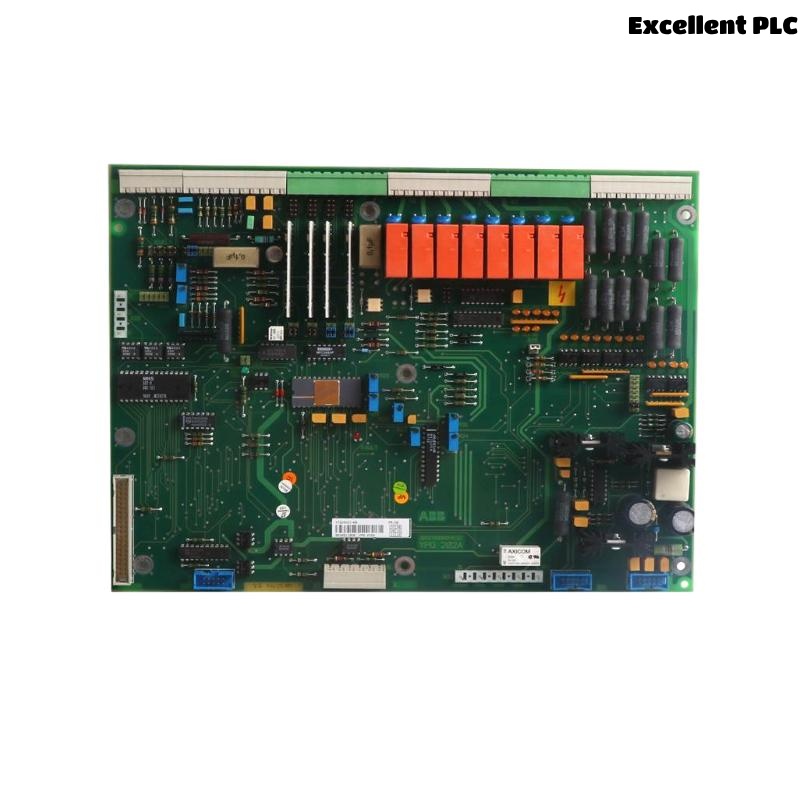
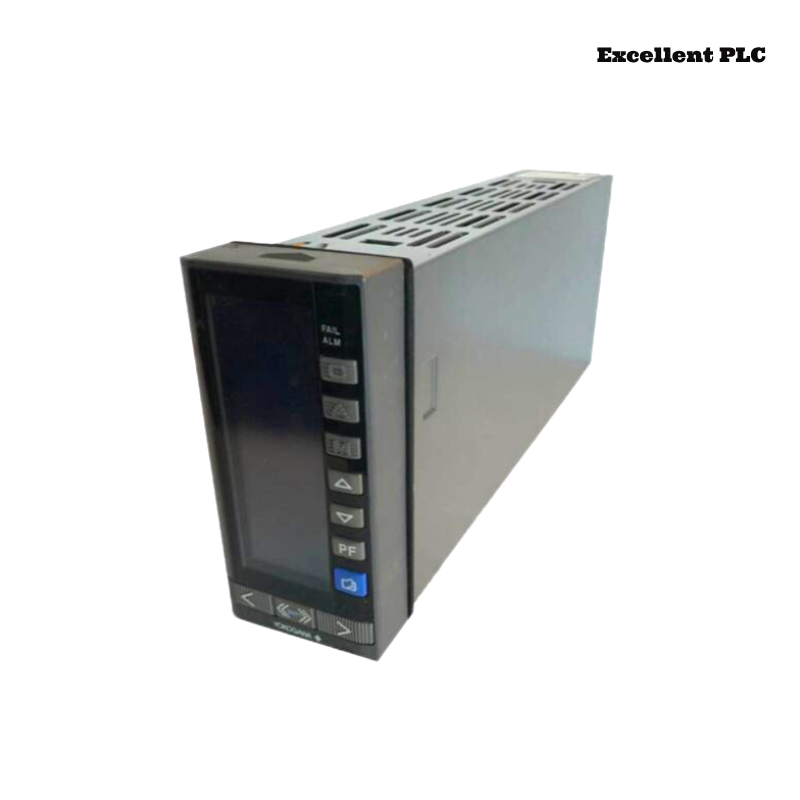
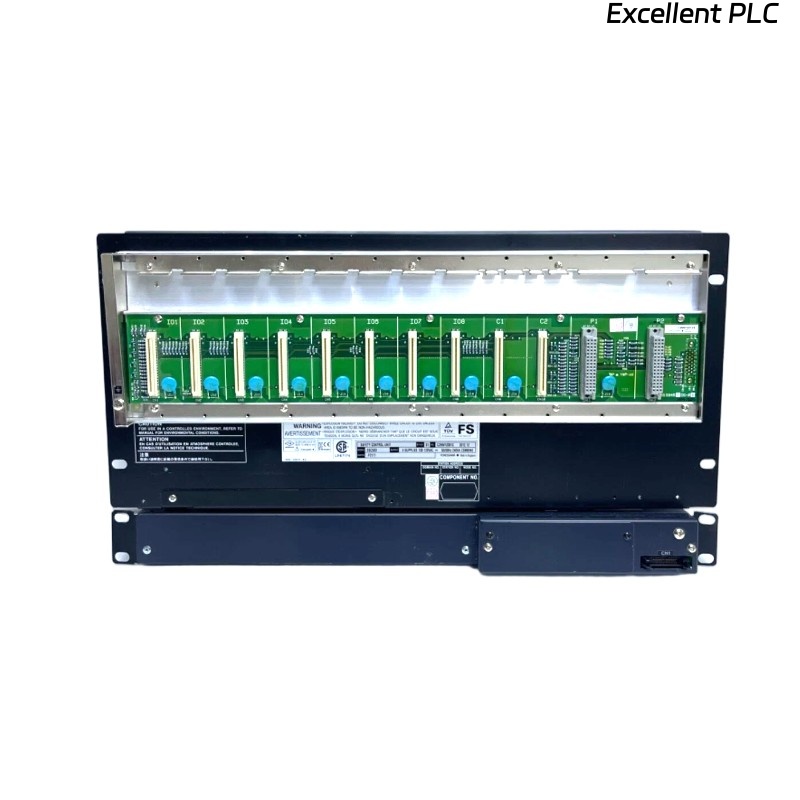
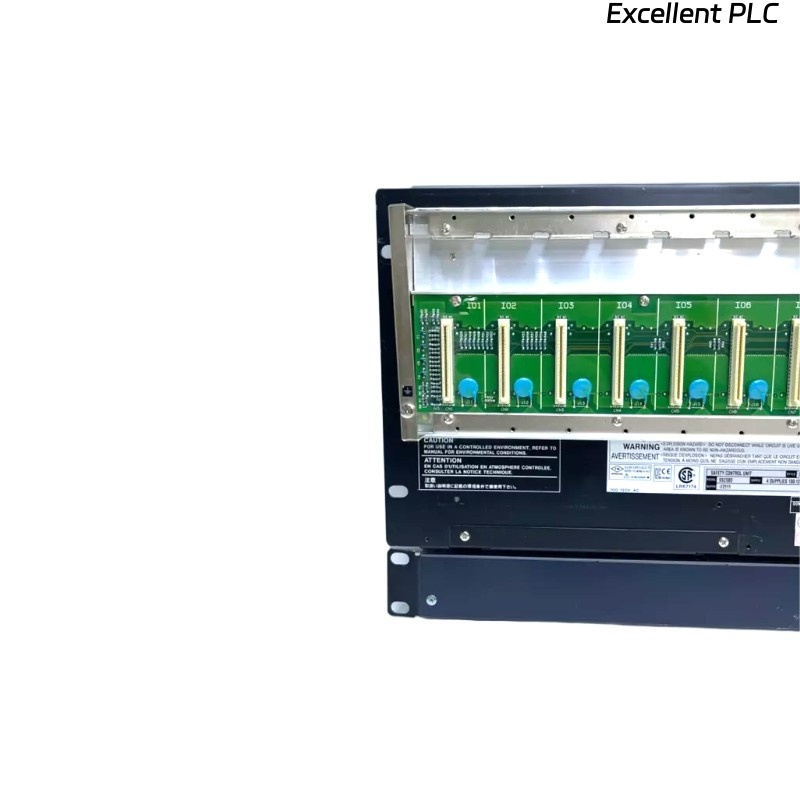
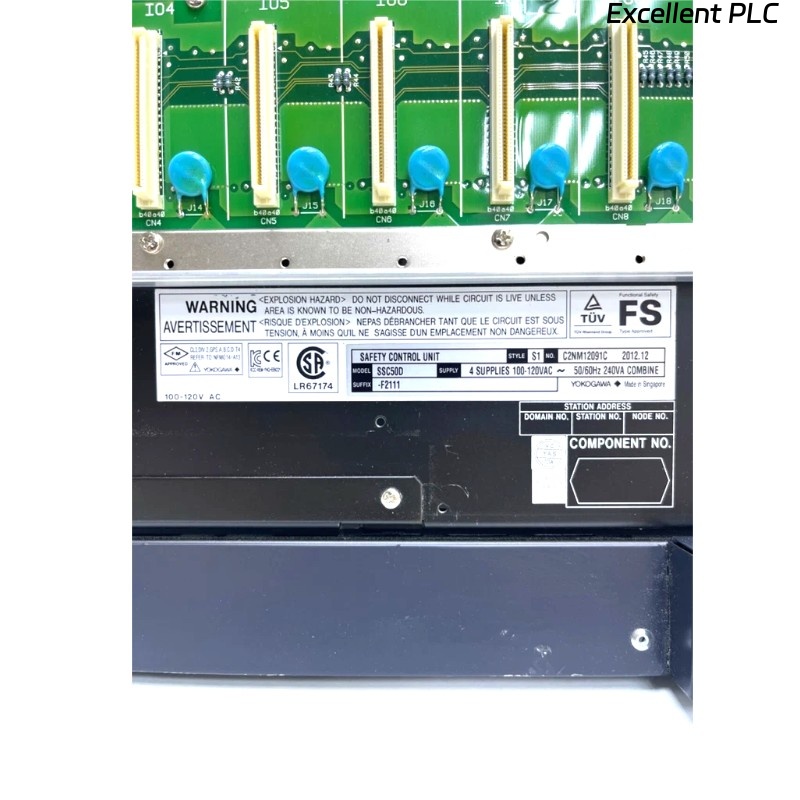
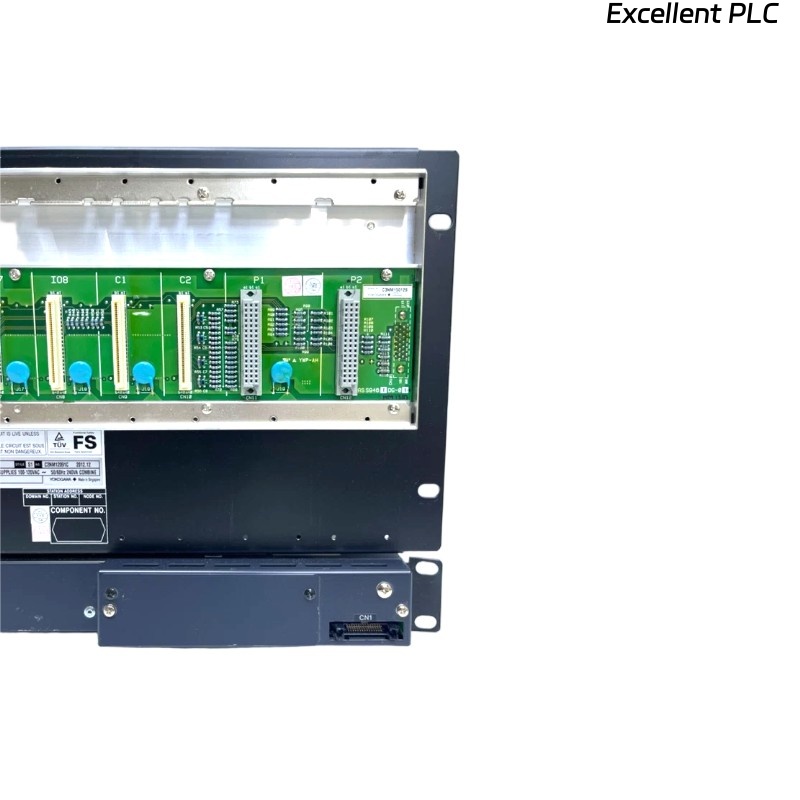
The Yokogawa SSC50D-S2111 Duplexed Safety Control Unit is an advanced safety controller designed for high-reliability applications in industrial automation and process safety systems. Built with duplexed (redundant) architecture, it ensures continuous and fail-safe operation, even under fault conditions. This unit plays a critical role in Safety Instrumented Systems (SIS), meeting stringent international safety standards for industries such as oil & gas, petrochemical, power generation, and chemical processing.
The SSC50D-S2111 integrates with Yokogawa’s ProSafe-RS safety control platform and provides superior diagnostic capabilities, high processing performance, and a modular structure for flexible expansion.
Technical Specifications
| Parameter | Description |
|---|---|
| Model | SSC50D-S2111 Duplexed Safety Control Unit |
| Architecture | Duplexed (redundant) safety CPU |
| System Type | ProSafe-RS Safety Control |
| Processor | High-performance 32-bit RISC processors |
| Safety Standards | IEC 61508 SIL3, IEC 61511 compliance |
| Power Supply | 24 V DC nominal (redundant supported) |
| Input/Output Support | Compatible with safety I/O modules (DI, DO, AI, AO) |
| Communication | Vnet/IP, Safety communication with field devices |
| Diagnostic Functions | Online self-diagnostics, fault isolation, redundancy monitoring |
| Operating Temperature | 0 to 55 °C |
| Humidity | 10% to 90% non-condensing |
| Dimensions | 482.6 x 266 x 88.1 mm |
| Weight | 8.5 kg |
Product Applications
-
Safety Instrumented Systems (SIS): Ensures safe shutdown and emergency control in refineries, chemical plants, and offshore platforms.
-
Emergency Shutdown (ESD): Provides fast and reliable trip functionality during hazardous conditions.
-
Fire & Gas Systems: Supports integration with flame, smoke, and gas detection systems for safe operation.
-
Turbomachinery Safety: Used for critical rotating machinery protection in power plants and oil & gas facilities.
-
Process Interlock Systems: Guarantees interlock logic enforcement to prevent unsafe process conditions.
-
High-Reliability Control: Suitable for applications requiring high availability and minimal downtime.
Product Advantages
-
Duplex Redundancy: Provides fault tolerance with automatic switchover for uninterrupted operation.
-
SIL3 Certified: Complies with IEC safety standards, making it suitable for high-integrity safety applications.
-
High Reliability: Online diagnostics and error detection ensure system integrity.
-
Seamless Integration: Works natively with Yokogawa’s CENTUM VP and ProSafe-RS systems.
-
Scalable Architecture: Supports expansion with additional safety I/O modules.
-
Reduced Downtime: Hot-swap capability and redundant modules minimize operational interruptions.
-
Proven Field Experience: Widely adopted in global industries with strong reliability record.
FAQ
Q1: What safety standard certifications does the SSC50D-S2111 comply with?
A1: It is certified to IEC 61508 SIL3 and complies with IEC 61511 for process safety applications.
Q2: How does the duplexed architecture enhance system reliability?
A2: Duplexed architecture provides two redundant CPUs that run in parallel, ensuring that if one fails, the other continues operation without process interruption.
Q3: Can the SSC50D-S2111 be integrated with non-Yokogawa systems?
A3: Yes, it supports standard communication protocols such as Vnet/IP and safety communication, allowing integration with third-party systems.
Q4: What diagnostic features are included in the SSC50D-S2111?
A4: It includes continuous self-diagnostics, redundancy monitoring, communication integrity checks, and fault isolation features.
Q5: Does this unit support hot-swapping of modules?
A5: Yes, it supports hot-swapping of I/O modules and redundant components, minimizing downtime during maintenance.
Q6: How does the SSC50D-S2111 ensure compliance with SIL3 requirements?
A6: It uses hardware redundancy, diverse diagnostics, and proven safety algorithms to meet SIL3 certification standards.
Q7: What communication backbone does the SSC50D-S2111 utilize?
A7: It uses Yokogawa’s Vnet/IP high-speed network for secure and reliable communication.
Q8: Can the SSC50D-S2111 handle both safety and control functions simultaneously?
A8: No, it is dedicated to safety functions and operates separately from the process control system to meet safety integrity standards.
Q9: How is redundancy handled between the duplex CPUs?
A9: Both CPUs execute the same logic in parallel, and a comparison mechanism ensures consistent operation. If a mismatch occurs, the healthy CPU continues seamlessly.
Q10: What type of I/O modules are compatible with the SSC50D-S2111?
A10: It is compatible with ProSafe-RS safety I/O modules, including digital input/output and analog input/output types.
Related Models
| Model | Description |
|---|---|
| SSC50D-S2112 | Duplexed Safety Control Unit (enhanced diagnostics) |
| SSC10D | Standard Safety Control Unit for smaller applications |
| SSC20D | Mid-range Safety Control Unit with redundancy |
| SSC60D | High-capacity Duplexed Safety Controller |
| SSC40D | Compact Safety Controller for medium systems |
| SSC30D | Entry-level Safety Controller with basic redundancy |
Popular Yokogawa Models
| Model | Description |
|---|---|
| AAI143-S00 | Analog Input Module for process signals |
| ADV151 | Digital Output Module |
| CP451-10 | CPU Module for CENTUM VP systems |
| PW482 | Power Supply Module |
| EC401 | Communication Module for control systems |
| AMM32 | Multiplexer Module |
| SAI533-H33 | Safety Analog Input Module |
| F3RP61 | Programmable Controller Module |