 Excellent PLC


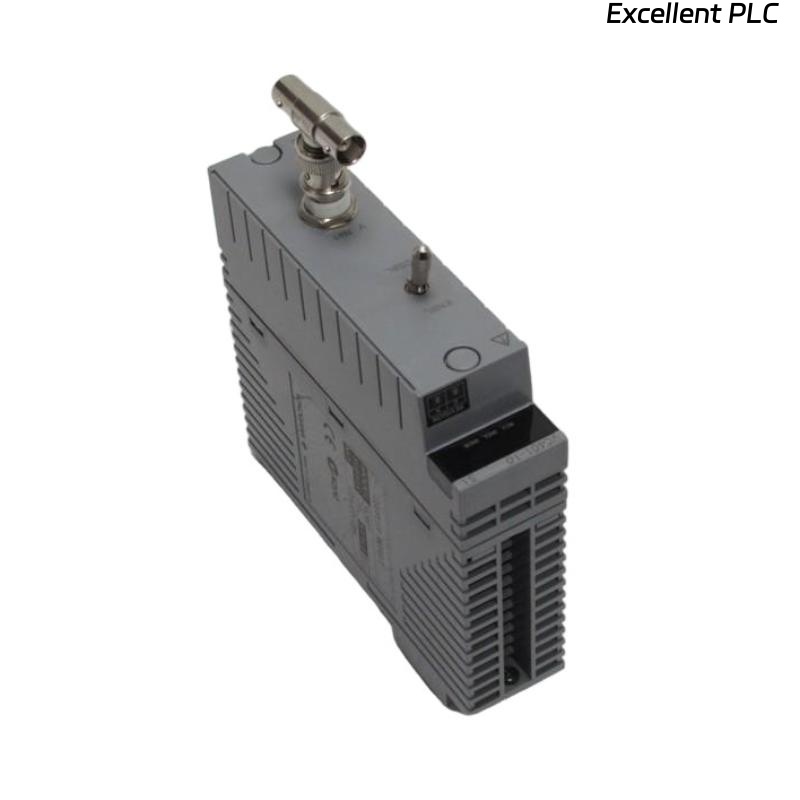
In industrial plants, a fire incident does not need to occur inside a control cabinet to cause damage. Even nearby fires, overheating events, or smoke exposure can seriously affect the Yokogawa VC401-10 Coupler Module, leading to delayed or hidden failures.
This article focuses exclusively on fire- and heat-related damage, how to identify it, and what actions engineers should take in the field.
1. How Fire-Related Damage Happens in Real Sites
VC401-10 modules are commonly affected by fire incidents in the following ways:
-
Heat radiation from nearby equipment fires
-
Smoke and soot entering control cabinets
-
Temporary exposure to high ambient temperature
-
Firefighting foam or chemicals combined with heat
Direct flames are not required for damage to occur.
2. Typical Symptoms After Fire or Heat Exposure
Fire-related damage often appears days or weeks later.
Common symptoms include:
-
Module powers up but fails to communicate
-
Intermittent station offline alarms
-
Increased communication errors
-
Discoloration of connectors or PCB edges
Delayed failure is a key characteristic of thermal stress.
3. Why Fire Damage Is Usually Not Repairable
From an engineering perspective, fire-related damage is structural, not superficial.
Affected components may include:
-
Deformed plastic connectors
-
Heat-damaged solder joints
-
Insulation breakdown on PCB traces
-
Residual smoke contamination
Even if the module appears functional, long-term reliability cannot be guaranteed.
4. Can a Fire-Damaged VC401-10 Be Repaired?
Practical Answer: No (Field Repair Not Recommended)
Reasons:
-
Damage is often microscopic and irreversible
-
Cleaning does not restore electrical integrity
-
Failure may reoccur unpredictably
Temporary operation after cleaning should be considered unsafe for production systems.
5. Correct Replacement Procedure After Fire Damage
Step-by-Step Replacement Logic
Important notes:
-
Always inspect the backplane, not only the module
-
Replace nearby modules if heat exposure was severe
-
Do not reuse visibly deformed connectors
6. Post-Replacement Verification
After replacement:
-
Monitor communication stability for 24–72 hours
-
Check error counters and retry rates
-
Confirm no residual alarms remain
Fire damage may affect more than one component.
7. Preventive Recommendations After Fire Incidents
To prevent recurrence:
-
Improve cabinet sealing against smoke
-
Review cabinet ventilation design
-
Add temperature monitoring alarms
-
Perform full inspection after any fire event
Ignoring post-fire inspection often leads to secondary failures.
Conclusion
When a Yokogawa VC401-10 Coupler Module is exposed to fire, heat, or heavy smoke, the damage is typically irreversible and unsafe to repair. The correct engineering decision is module replacement combined with environmental inspection, not temporary recovery.
Fire-related failures are not always immediate—but they are inevitable if ignored.