Excellent PLC


Product Introduction
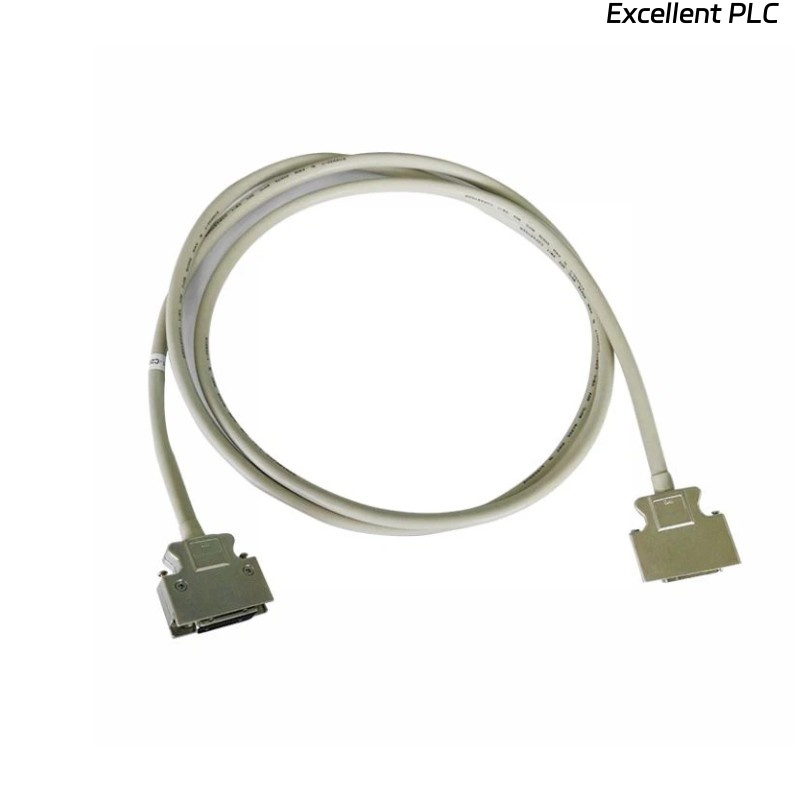
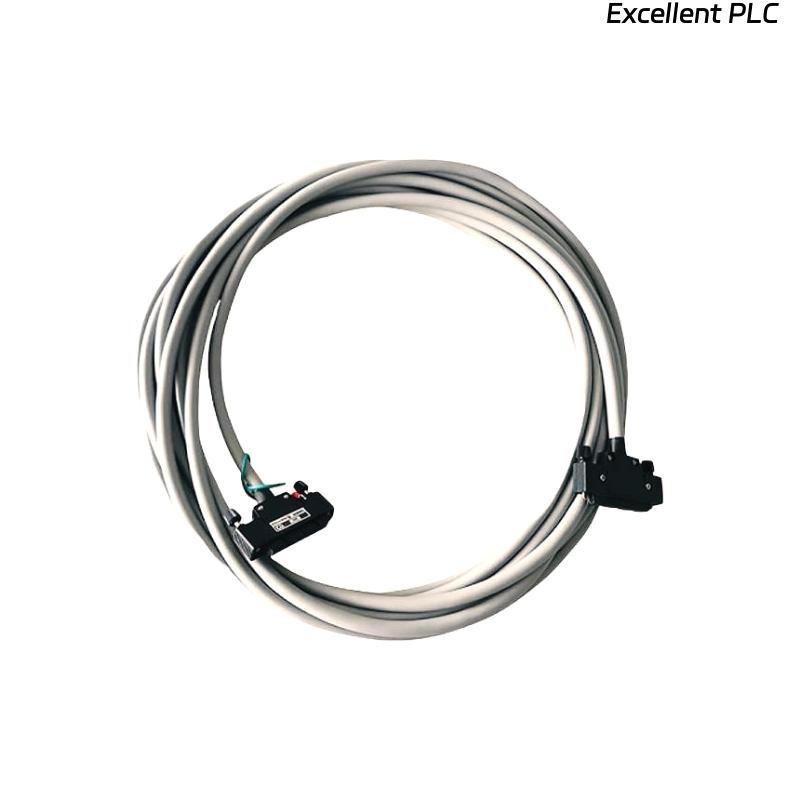
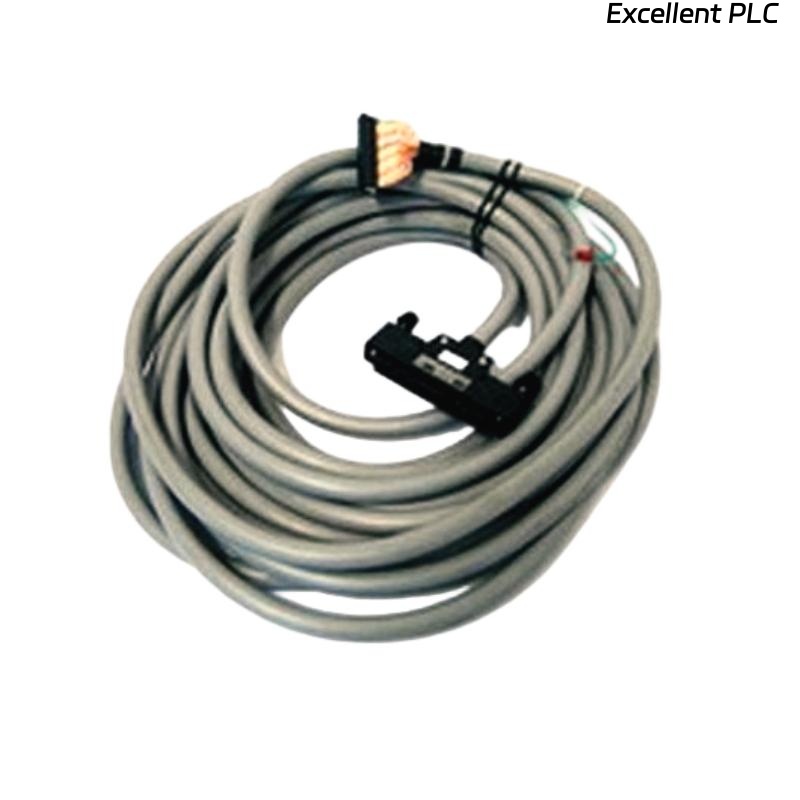
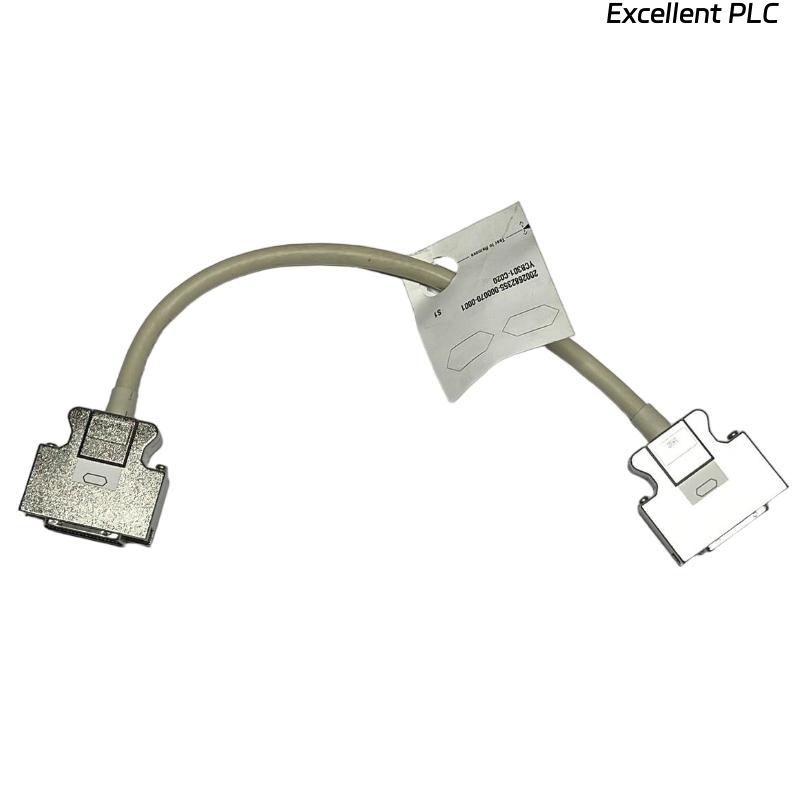
The Yokogawa YCB301-C300 ESB Bus Cable is a specialized industrial-grade communication cable designed to support high-speed data transfer within Yokogawa’s ESB Bus network system. This cable is an integral component of distributed control systems (DCS), providing stable connectivity between modules, controllers, and input/output devices.
Its engineering emphasizes low signal loss, electromagnetic interference (EMI) resistance, and robust insulation to ensure long-term reliability even in harsh industrial environments. The YCB301-C300 is optimized for Yokogawa’s CENTUM and ProSafe-RS series, making it essential for plants in industries such as power generation, oil & gas, petrochemicals, and water treatment.
Product Parameters
| Parameter | Description |
|---|---|
| Model Number | YCB301-C300 |
| Product Type | ESB Bus Cable (High-speed data communication) |
| Cable Length | 3 meters |
| Weight | 3 kg |
| Conductor Type | Twisted pair with shielding |
| Shielding | Aluminum foil with braided copper shield |
| Insulation Material | High-temperature resistant polyethylene |
| Jacket Material | Industrial-grade PVC |
| Operating Temperature | -20°C to +75°C |
| Storage Temperature | -40°C to +85°C |
| Maximum Voltage Rating | 300 V |
| Signal Transmission Speed | Up to 100 Mbps |
| Compatibility | Yokogawa ESB Bus network modules, controllers, and I/O units |
| Flame Retardant Standard | UL VW-1 / IEC 60332-3 compliant |
Product Applications
The YCB301-C300 ESB Bus Cable is widely used in process automation networks that require highly reliable data transfer. Typical application fields include:
-
Power Generation Plants: Ensures stable DCS communication between control units and field devices.
-
Oil & Gas Industry: Withstands harsh environments and maintains secure connectivity in offshore/onshore platforms.
-
Petrochemical Plants: Handles high data loads with reduced risk of communication loss.
-
Water Treatment Facilities: Provides durable and interference-free data transfer for critical monitoring equipment.
-
Pharmaceutical Industry: Maintains compliance with safety and data integrity standards.
Product Advantages
-
High Reliability: Engineered to provide consistent signal transmission with minimal data loss.
-
Strong EMI Resistance: Double-layer shielding protects against electromagnetic and radio frequency interference.
-
Industrial Durability: Built to withstand extreme temperatures, vibrations, and corrosive environments.
-
Plug-and-Play Compatibility: Fully optimized for Yokogawa ESB Bus systems without additional configuration.
-
Enhanced Safety: Flame-retardant materials ensure compliance with industrial fire protection standards.
-
Low Maintenance Requirement: Long lifecycle and minimal degradation during continuous operations.
FAQ
Q1: What communication protocol does the YCB301-C300 support?
A1: It is designed specifically for Yokogawa ESB Bus communication protocol, optimized for high-speed, deterministic data transfer.
Q2: How does the shielding of this cable reduce interference?
A2: The cable uses aluminum foil combined with a copper braided shield, which blocks external EMI/RFI and minimizes crosstalk.
Q3: Can this cable be used for both horizontal and vertical installations?
A3: Yes, it supports flexible routing and can be installed in trays, ducts, or conduits both vertically and horizontally.
Q4: Does the cable require grounding for optimal performance?
A4: Yes, grounding the shield is recommended to achieve maximum noise immunity in industrial environments.
Q5: What is the maximum data transfer speed supported by this cable?
A5: The cable supports data transfer speeds of up to 100 Mbps within ESB Bus applications.
Q6: How does the cable handle thermal expansion in fluctuating environments?
A6: The insulation and jacket materials are engineered for thermal stability, minimizing signal loss and structural degradation.
Q7: Can the YCB301-C300 be connected with other Yokogawa cables of different lengths?
A7: Yes, it can be combined with other YCB301 series cables, but system design should respect ESB Bus length limitations.
Q8: Is the cable resistant to chemical exposure in industrial plants?
A8: The PVC outer jacket provides resistance to common industrial oils, acids, and solvents.
Q9: What type of connectors are compatible with this cable?
A9: It is compatible with standard Yokogawa ESB Bus connectors designed for YCB301 series cables.
Q10: How does the cable ensure data integrity in long-term operations?
A10: The combination of low capacitance insulation and robust shielding minimizes attenuation and error rates over extended use.
Recommended Related Models
| Model Number | Description | Length | Weight |
|---|---|---|---|
| YCB301-C100 | ESB Bus Cable, 1 meter | 1 m | 0.15 kg |
| YCB301-C200 | ESB Bus Cable, 2 meters | 2 m | 0.25 kg |
| YCB301-C400 | ESB Bus Cable, 4 meters | 4 m | 0.45 kg |
| YCB301-C500 | ESB Bus Cable, 5 meters | 5 m | 0.55 kg |
| YCB301-C600 | ESB Bus Cable, 6 meters | 6 m | 0.65 kg |
| YCB301-C800 | ESB Bus Cable, 8 meters | 8 m | 0.85 kg |
Popular Yokogawa Models
| Model Number | Product Type | Application Area | Key Feature |
|---|---|---|---|
| AAI141-S50 | Analog Input Module | Process control systems | High-precision signal acquisition |
| AAI143-S00 | Analog Input Module | Industrial automation | Isolated input channels |
| ADV151-P50 | Communication Module | Network integration | Supports multiple bus connections |
| AAR145-S50 | Analog Output Module | Process control | Stable analog signal output |
| CP451-10 | Processor Module | DCS control stations | High-performance CPU |
| PW482-10 | Power Supply Module | Controller and I/O power distribution | Reliable redundant supply |
| SAI143-H03 | Safety Analog Input Module | Safety instrumented systems | Certified safety compliance |
| Vnet/IP VJ72 | Communication Interface | Plant-wide Ethernet integration | Real-time and deterministic comms |