 Excellent PLC


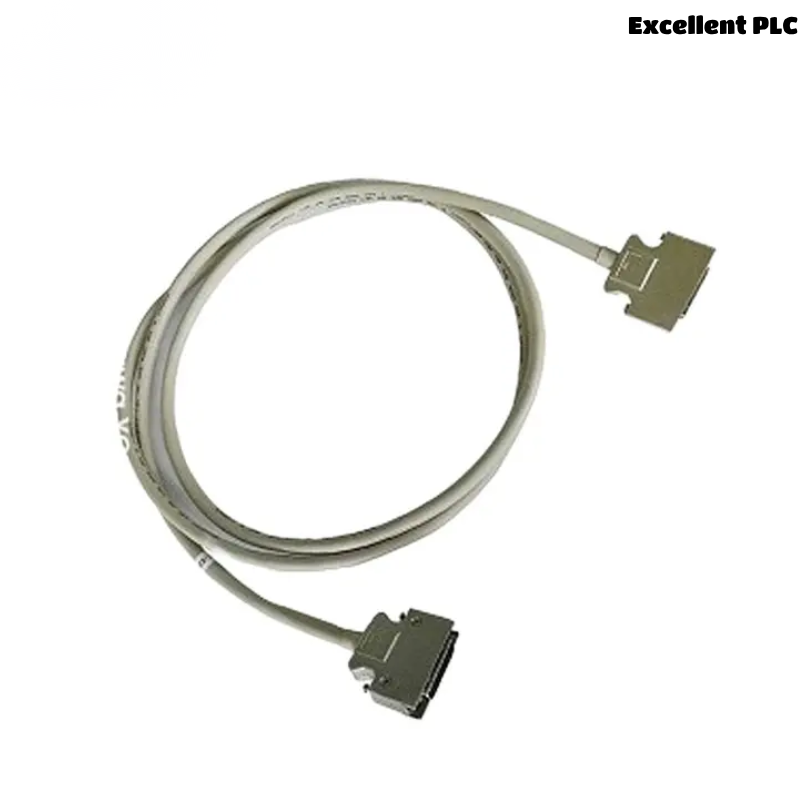
In Yokogawa systems, the YCB301-C400 ESB bus cable is often underestimated.
It has no diagnostics, no LEDs, no firmware—and yet, when ESB communication becomes unstable, this cable is one of the first places experienced engineers look.
Not because it fails often, but because when it does, it exposes weaknesses elsewhere in the system.
ESB Communication Depends on Discipline, Not Just Connectivity
The ESB bus is not tolerant of improvisation.
Unlike generic industrial networks, it relies on controlled impedance, timing integrity, and consistent grounding philosophy.
The YCB301-C400 is designed specifically to preserve those assumptions.
When it is replaced, rerouted, extended, or substituted casually, the bus may still “connect” — but no longer behave predictably.
As one Yokogawa engineer once said:
“ESB doesn’t forgive creative wiring.”
Why Cable Quality Matters More Than Length
In the field, ESB issues are rarely caused by total cable failure.
More often, they come from subtle degradation:
-
internal shielding damage
-
improper bending radius
-
crushed sections behind panels
-
connectors stressed during cabinet modification
The system may run for months before intermittent ESB errors begin to appear, often during load changes or temperature shifts.
At that point, the cable becomes a timing problem, not a continuity problem.
Ground Reference Is Where Most ESB Problems Actually Begin
The YCB301-C400 does not function independently of its grounding environment.
Its shielding strategy assumes a clean, consistent reference across connected cabinets.
Problems arise when:
-
grounding schemes evolve over time
-
temporary grounds added during maintenance are left behind
-
cabinets are expanded without revisiting reference continuity
-
shields are bonded inconsistently at different points
In these cases, the cable is still intact—but the electrical environment around it is no longer what ESB expects.
Substitution Is a Common and Costly Mistake
One recurring field issue is the replacement of a YCB301-C400 with a “similar-looking” cable.
On paper, it may match impedance or shielding.
In practice, it rarely matches behavior under real operating conditions.
Engineers often discover this only after:
-
random ESB node dropouts
-
unexplained bus resets
-
communication errors with no clear pattern
At that stage, the cost of downtime far exceeds the cost of the correct cable.
Installation Practices Shape Long-Term Stability
Even a genuine YCB301-C400 can become a weak point if installed poorly.
Field experience highlights a few recurring patterns:
-
tight cable routing near power wiring
-
excessive tension at connectors
-
lack of strain relief
-
repeated disconnection during maintenance
None of these cause immediate failure—but all of them reduce margin.
ESB communication tends to degrade quietly before it fails loudly.
Why ESB Cables Often Get Blamed Late
One reason YCB301-C400 issues are diagnosed late is that they produce ambiguous symptoms.
ESB-related problems may appear as:
-
controller communication alarms
-
intermittent I/O visibility
-
synchronization warnings
-
startup delays that disappear after reset
By the time the cable is inspected, the system has already been blamed on CPUs, controllers, or configuration.
Experienced Yokogawa engineers learn to think backward from these symptoms.
How Seasoned Engineers Treat the ESB Cable
Instead of treating the YCB301-C400 as a passive accessory, experienced teams treat it as part of the control system itself.
They tend to:
-
document routing and grounding explicitly
-
avoid unnecessary disconnection
-
replace cables proactively during major modifications
-
resist substitutions, even under time pressure
This discipline pays off in years of silent operation.
A Yokogawa-Centric Perspective
From long-term field experience, the most accurate way to think about the YCB301-C400 is simple:
-
it is not just a cable
-
it enforces ESB assumptions
-
when it becomes “visible,” the system is already stressed
As one senior Yokogawa specialist summarized it:
“If the ESB bus starts behaving strangely, the cable isn’t guilty — it’s revealing the truth.”