Excellent PLC


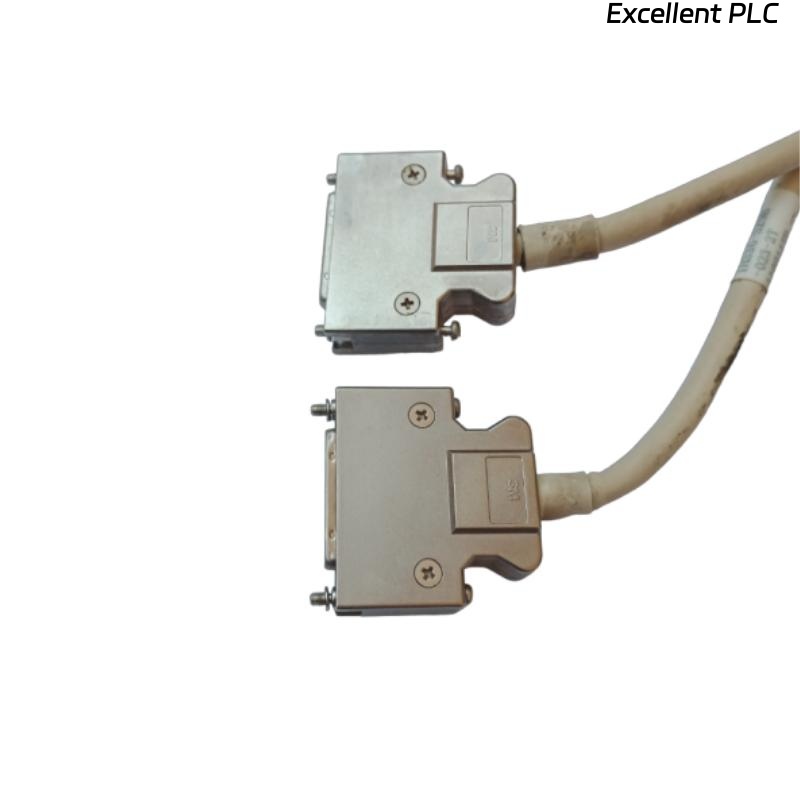
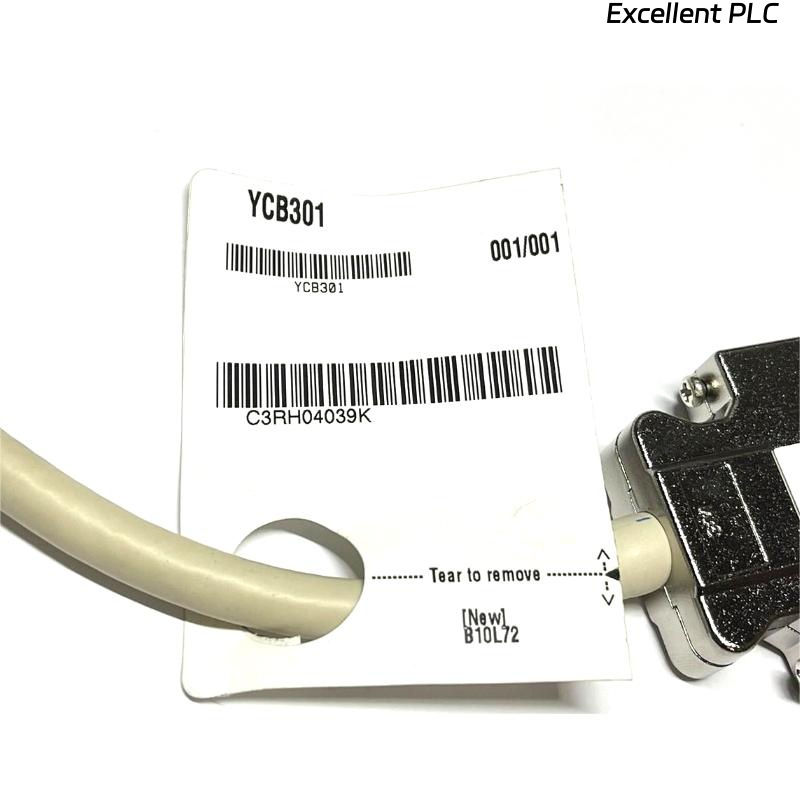
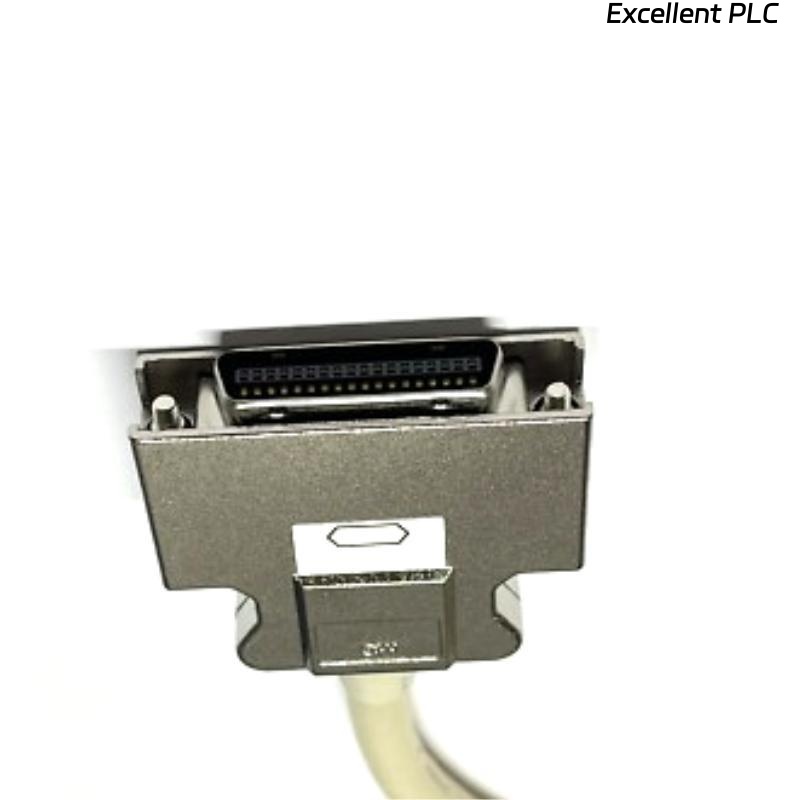
Product Introduction
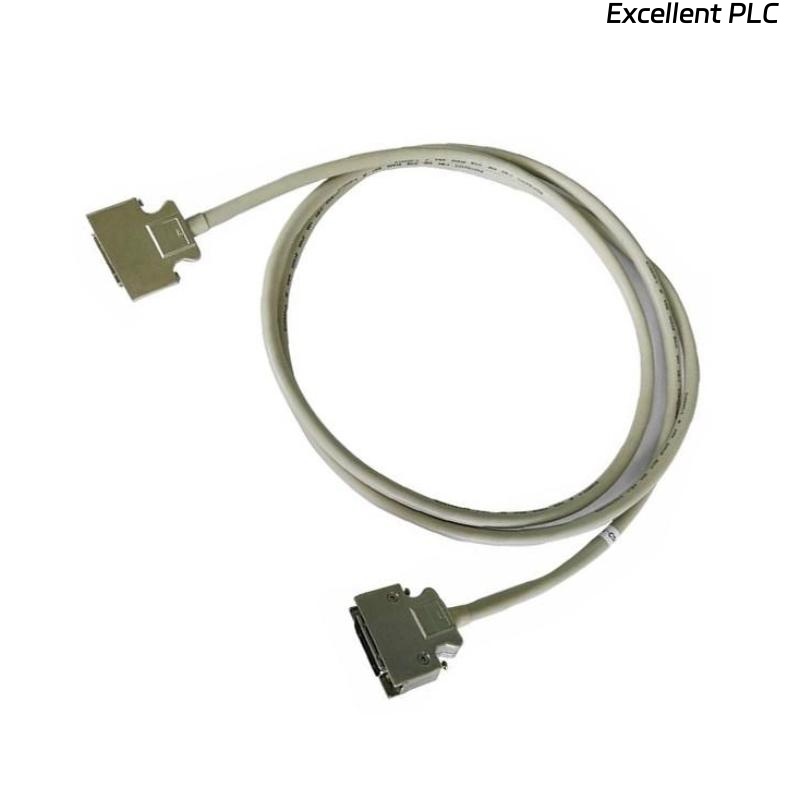
The Yokogawa YCB301-C500 ESB Bus Cable is a high-reliability communication cable designed for use in Yokogawa’s control systems, particularly in the ESB (Enhanced Serial Bus) architecture. This cable is manufactured to meet the rigorous demands of industrial environments, providing stable and interference-resistant data transfer between system modules. It is widely applied in distributed control systems (DCS) where accurate and uninterrupted communication is critical for plant operations.
The YCB301-C500 ensures efficient signal integrity with minimal data loss, even under conditions where electromagnetic interference (EMI) and electrical noise are present. Its robust design and quality construction make it suitable for long-term use in energy, oil & gas, chemical, and manufacturing industries.
Technical Parameters
| Parameter | Description |
|---|---|
| Product Model | Yokogawa YCB301-C500 ESB Bus Cable |
| Cable Type | Shielded twisted-pair communication cable |
| Supported System | Yokogawa ESB Bus (Enhanced Serial Bus) |
| Cable length | 5 m |
| Weight | 3 kg |
| Conductor Material | High-purity copper |
| Insulation Material | Flame-retardant PVC with high dielectric strength |
| Shielding | Aluminum foil + braided shield for EMI protection |
| Operating Voltage | Low-voltage signal transmission (below 30V) |
| Temperature Range | -20°C to +70°C |
Product Applications
The YCB301-C500 ESB Bus Cable is primarily used as an interconnection medium for Yokogawa’s control system modules within the ESB Bus framework. Typical applications include:
-
Distributed Control Systems (DCS): Connecting controllers, I/O modules, and network units for seamless data exchange.
-
Process Automation: Facilitating communication in industries such as chemical, petrochemical, and refining plants.
-
Power Plants: Enabling reliable data transfer between monitoring and control units.
-
Manufacturing Systems: Ensuring accurate synchronization between automated production equipment.
-
Oil & Gas Facilities: Supporting real-time monitoring and control under harsh environmental conditions.
Product Advantages
The YCB301-C500 offers several benefits that distinguish it as a robust industrial cable:
-
High Signal Integrity: Shielded design minimizes noise and signal interference.
-
Robust Construction: Strong insulation and durable materials ensure long service life.
-
Easy Integration: Pre-terminated connectors allow simple plug-and-play installation.
-
Stable Performance: Designed specifically for Yokogawa ESB systems to ensure compatibility and reliability.
-
Fire-Resistant Insulation: Provides an additional layer of safety in critical applications.
-
Reduced Downtime: By ensuring stable and uninterrupted communication, the cable minimizes risks of operational failure.
FAQ
Q1: What communication protocol is supported by the YCB301-C500 cable?
A1: It supports the Yokogawa ESB (Enhanced Serial Bus) protocol for high-speed module interconnection.
Q2: How is electromagnetic interference (EMI) minimized in this cable?
A2: It uses a dual shielding method, including aluminum foil and braided shielding, to effectively suppress EMI.
Q3: Can this cable be used with non-Yokogawa equipment?
A3: While technically possible, it is optimized for Yokogawa ESB systems, so using it with non-Yokogawa systems is not recommended.
Q4: Is the YCB301-C500 hot-swappable during system operation?
A4: No, cable replacement should only be performed during system downtime to prevent data loss.
Q5: How does the cable ensure stable transmission over longer distances?
A5: The twisted-pair construction and shielding help maintain signal integrity and reduce attenuation.
Q6: Does this cable support redundancy configurations in Yokogawa systems?
A6: Yes, it can be used in redundant bus setups to enhance system reliability.
Q7: What is the maximum data rate supported?
A7: It supports the high-speed data rates defined by the ESB bus standard, ensuring fast communication between modules.
Q8: What measures are in place to prevent signal crosstalk?
A8: The twisted-pair arrangement and shielding significantly reduce crosstalk between adjacent conductors.
Q9: Can the cable be installed in outdoor environments?
A9: It is designed for controlled industrial environments; additional protection is required for outdoor use.
Q10: How does the cable handle grounding requirements?
A10: The shield layer should be properly grounded according to Yokogawa installation guidelines to maximize EMI suppression.
Related or Same-Series Models
| Model | Description |
|---|---|
| YCB301-C200 | ESB Bus Cable, 2 meters length |
| YCB301-C300 | ESB Bus Cable, 3 meters length |
| YCB301-C400 | ESB Bus Cable, 4 meters length |
| YCB301-C1000 | ESB Bus Cable, 10 meters length |
| YCB302-C500 | ESB Bus Cable (alternative series), 5 meters length |
| YCB303-C500 | Enhanced ESB Bus Cable with improved shielding, 5 m |
Popular Yokogawa Models from the Same Brand
| Model | Product Type | Key Feature |
|---|---|---|
| AAI141-S50 | Analog Input Module | High accuracy, multi-channel analog inputs |
| AAI543-H50 | Analog Output Module | Precision analog output for process control |
| CP451-10 | CPU Module | High-performance processor for DCS |
| PW482-10 | Power Supply Module | Reliable power delivery for system modules |
| F3XD36-3A | Digital Input Module | 36-channel DI module for fast signal detection |
| AAI841-H51 | HART Analog Input Module | Supports HART-enabled transmitters |
| ADV151-P50 | Communication Module | Interfaces with external communication networks |
| ANB10D-420 | Node Unit | Provides system expansion and node management |