 Excellent PLC


Combined Use Cases and Practical Field Applications
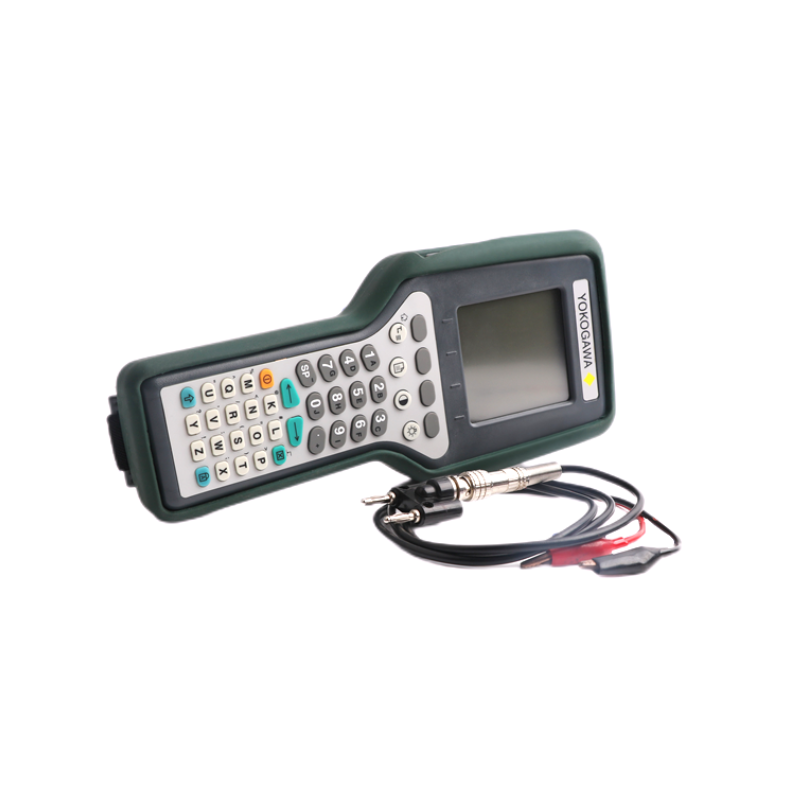
In modern industrial automation, Yokogawa YS Series controllers (such as YS170-012 S3) are frequently paired with HART field communicators (e.g., YHC4150X-01) for commissioning, calibration, and troubleshooting. Combining these tools allows engineers to achieve efficient loop setup, accurate process measurement, and reliable control in live plant environments.
This guide highlights typical field use cases, workflow logic, and practical tips from on-site experience.
1. Typical Combined Use Cases
Case 1: Single-Loop PID Tuning with Field Validation
-
Controller: YS170-012 S3
-
Field Device: HART-enabled pressure transmitter
-
Field Tool: YHC4150X-01
Workflow:
-
Configure input scaling and PID parameters on YS170 controller
-
Validate PV and sensor response using YHC4150X-01
-
Adjust loop tuning while monitoring real-time PV at the device
Case 2: Alarm Calibration and Verification
-
Goal: Ensure alarms trigger correctly for high/low limits
-
Tools: YS controller for logic, HART communicator for device verification
Workflow:
-
Set alarm thresholds in YS controller
-
Read sensor diagnostics and PV using YHC4150X-01
-
Trigger test conditions to confirm alarm operation
Case 3: Loop Replacement or Device Migration
-
Scenario: Replacing old analog transmitter with HART-enabled transmitter
-
Steps:
-
Remove old device, connect new HART transmitter to loop
-
Use YHC4150X-01 to configure range, units, and tags
-
Update YS controller input scaling
-
Validate PV reading and control output
-
2. Practical Field Tips
-
Always verify loop power and polarity before connecting the communicator
-
Document all DD versions used in the HART communicator for traceability
-
Test PV response at multiple setpoints to ensure correct scaling and alarm triggering
-
Combine DCS online verification for central logging if applicable
-
Use shielded cables and proper grounding to reduce noise
3. Advantages of Combined Approach
-
Efficiency: Field communicator allows fast device checks without interrupting control loops
-
Accuracy: Real-time PV validation ensures the controller receives correct signals
-
Flexibility: Engineers can handle both commissioning and troubleshooting with minimal equipment
-
Reliability: Immediate verification reduces errors and potential downtime
4. Workflow Diagram (Conceptual)
-
This diagram illustrates how field tools and controllers work in parallel to ensure stable process operation.
Conclusion
Combining Yokogawa YS Series controllers with HART field communicators creates a powerful field-debugging workflow. Engineers benefit from on-site flexibility, quick verification, and reliable control, reducing commissioning time and improving plant safety.
This integrated approach is particularly valuable in industries where fast loop setup, accurate measurement, and precise PID control are critical.