Excellent PLC


Overview of System Integration
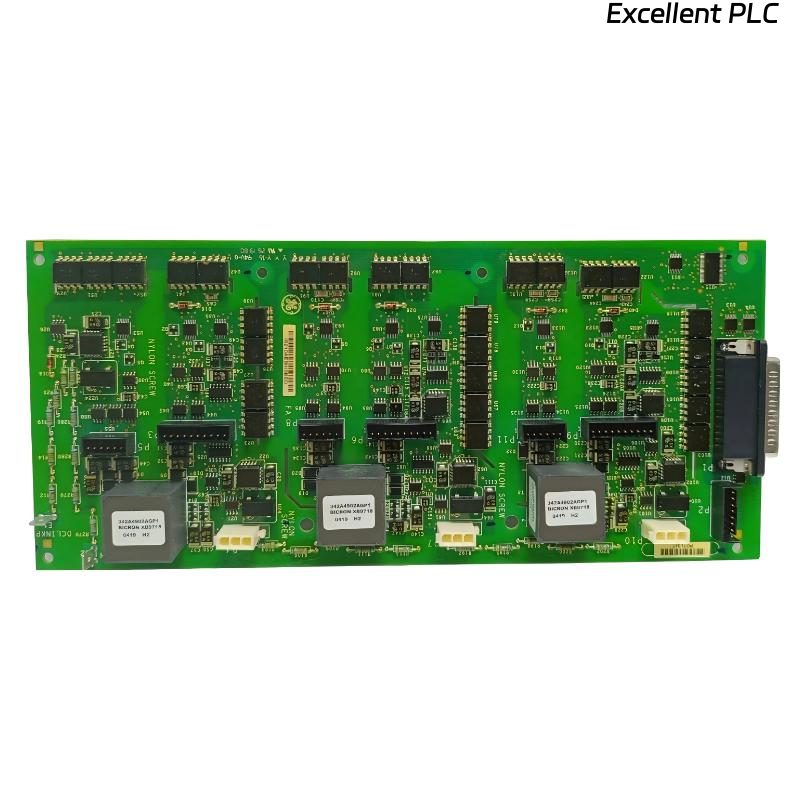
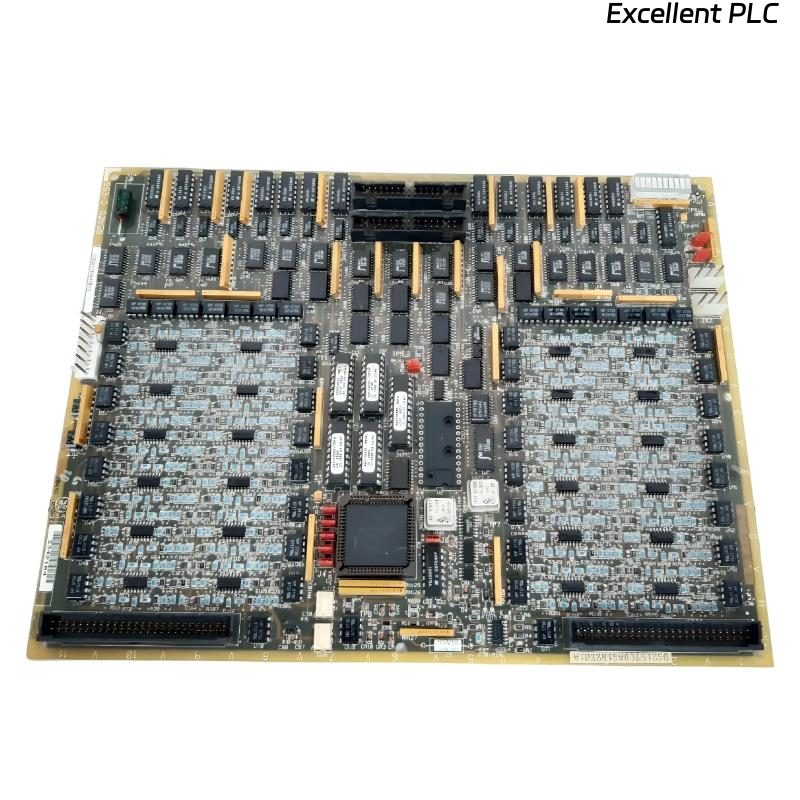
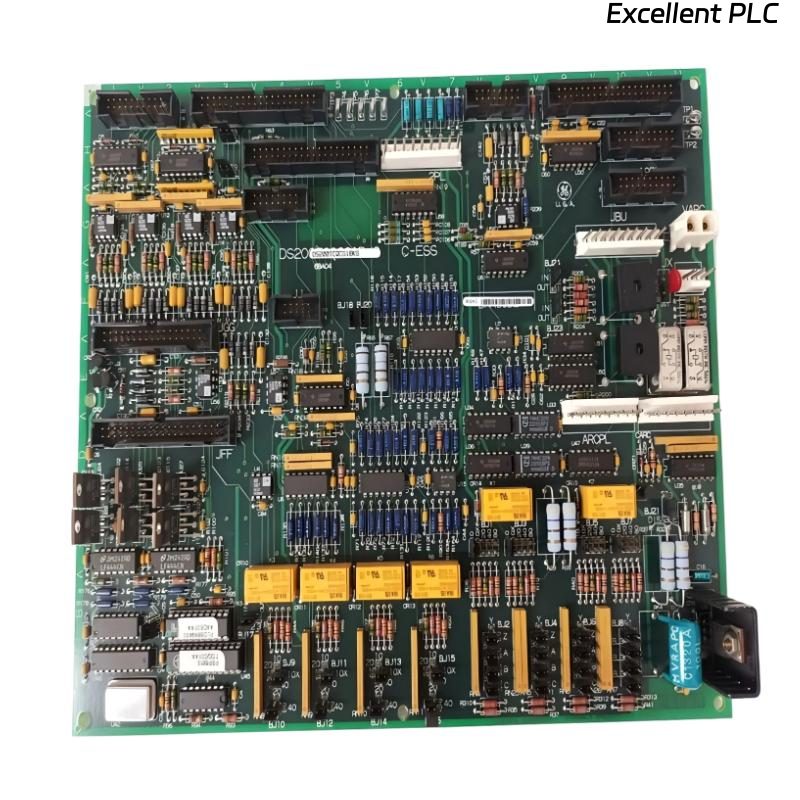
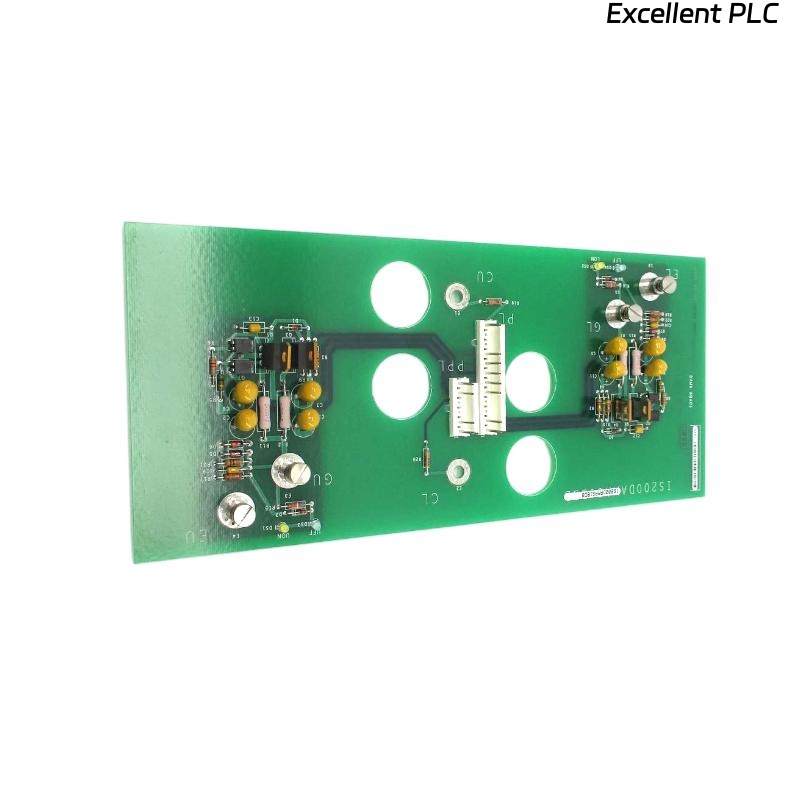
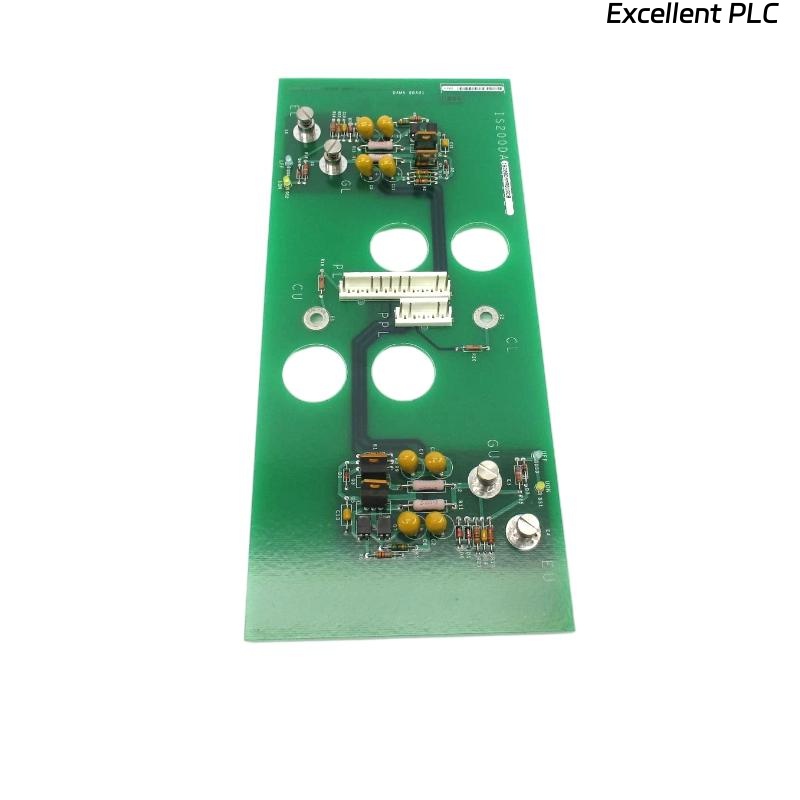
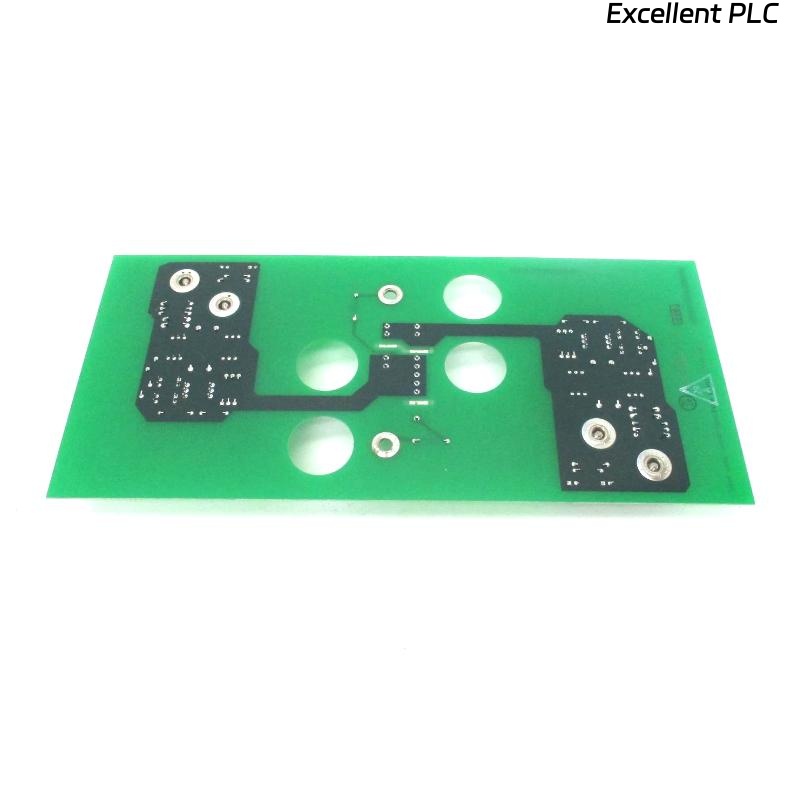
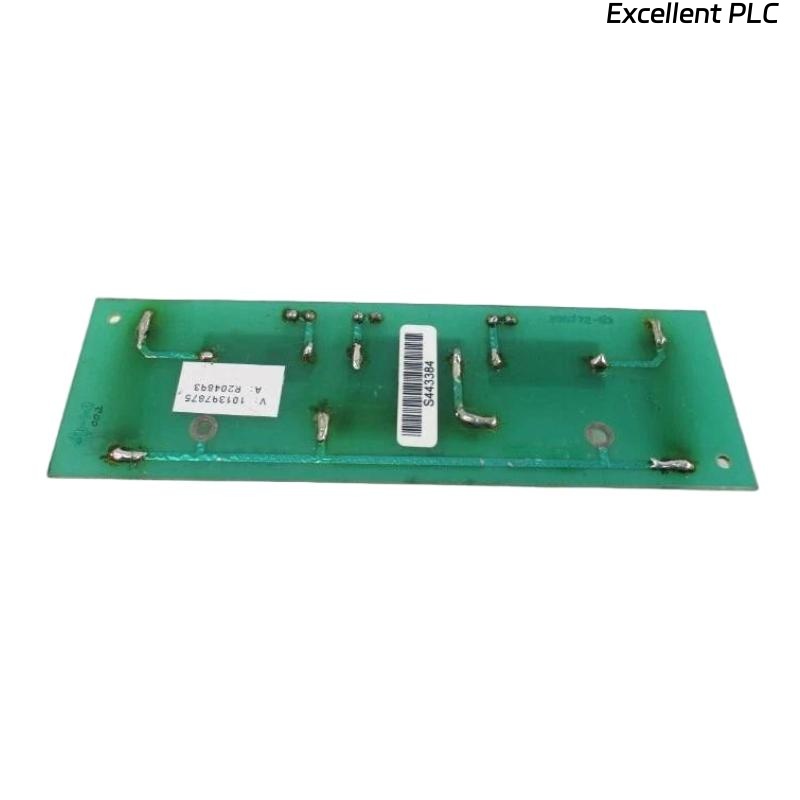
The IS200DAMAG1BCB is a modular analog input/output board engineered for GE Mark VI/VIe control systems. Its primary role is to translate field analog signals into precise data streams for central processing units while maintaining signal fidelity and minimizing latency. Within industrial architectures, this module acts as a critical bridge between sensors, actuators, and the core logic, ensuring deterministic control across distributed systems.
Technical Characteristics and Physical Layout
| Feature | Specification |
|---|---|
| Brand | GE |
| Module Type | Analog I/O Module |
| Input/Output Channels | 8 differential analog inputs / 4 analog outputs |
| Input Range | 0–20 mA / 4–20 mA |
| Output Range | 0–20 mA |
| Accuracy | ±0.1% of full scale |
| Dimensions (L × W × H) | 165 mm × 95 mm × 42 mm |
| Weight | 0.65 kg |
| Operating Temperature | -20°C to 65°C |
| Storage Temperature | -40°C to 85°C |
| Isolation | 2 kV channel-to-channel and channel-to-ground |
Functional Analysis and Signal Flow
In an integrated system, the IS200DAMAG1BCB performs several key functions:
-
Converts raw analog signals from sensors into calibrated digital readings for the CPU.
-
Provides analog output signals to drive actuators, ensuring smooth process control.
-
Maintains electrical isolation to prevent noise from propagating through the backplane.
-
Includes built-in diagnostic LEDs to indicate channel status, aiding rapid system audits.
Signal flow through the module is deterministic: each input passes through a precision conditioning circuit before reaching the CPU, and outputs are buffered to maintain consistent drive characteristics under varying loads.
Typical Industrial Applications
The module is well-suited for applications where analog accuracy and system coherence are paramount:
-
Process monitoring in chemical and petrochemical plants, providing stable feedback for valves, pumps, and mixers.
-
Energy generation systems, enabling precise turbine monitoring and control loops.
-
Water treatment facilities, converting sensor data into actionable control signals.
-
Integrated motion systems, where analog signals coordinate multiple actuators in synchronized operations.
Its role is especially critical in systems requiring consistent timing and high fidelity across multiple distributed I/O points.
Advantages in System Design
-
High-precision analog conversion, ensuring process accuracy.
-
Robust isolation, protecting both field devices and the central controller from interference.
-
Compact, modular design, facilitating dense panel layouts.
-
Reliable thermal performance, ensuring stable operation across wide temperature ranges.
-
Visual channel diagnostics, reducing downtime during system checks.
-
Seamless integration, compatible with GE backplanes and distributed architectures.