Excellent PLC


Introduction to the Module
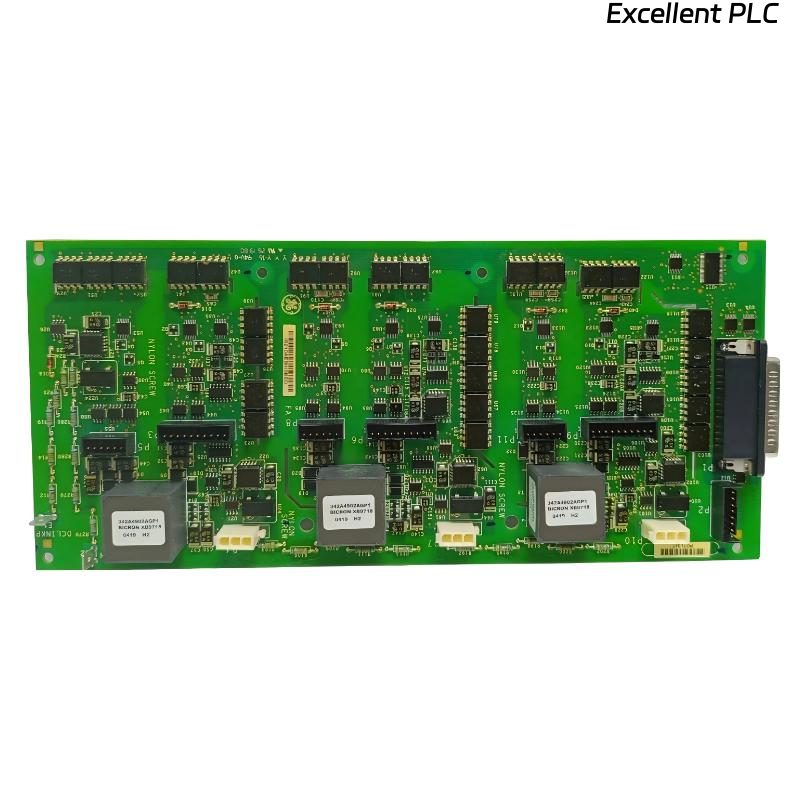
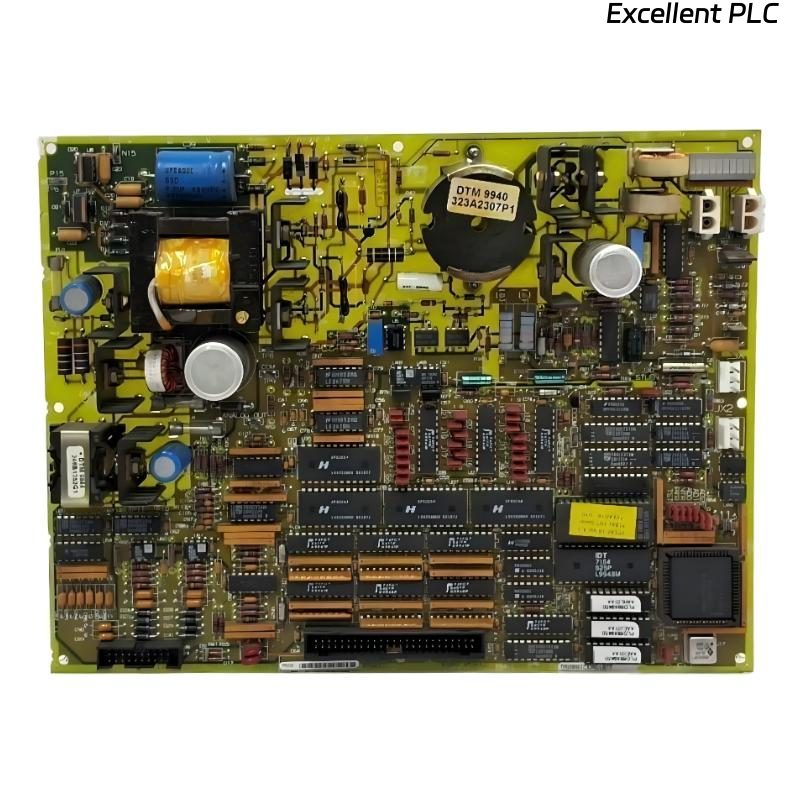
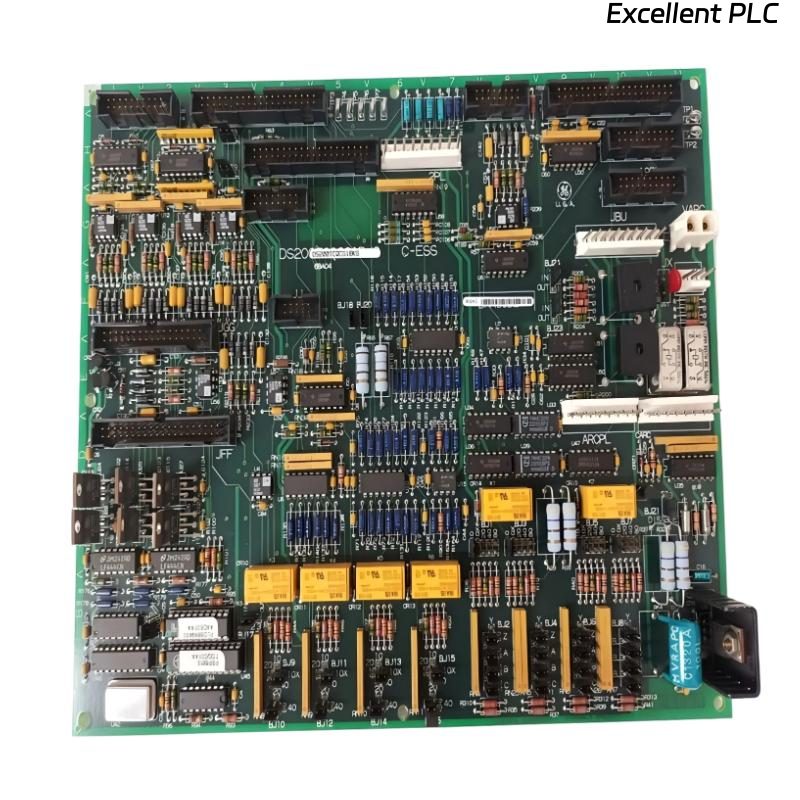
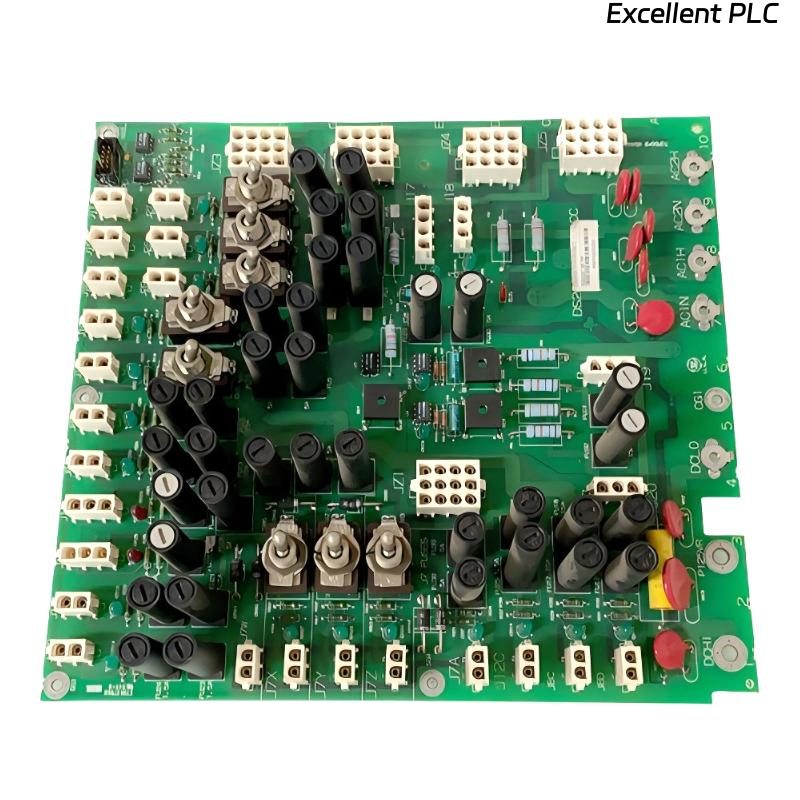
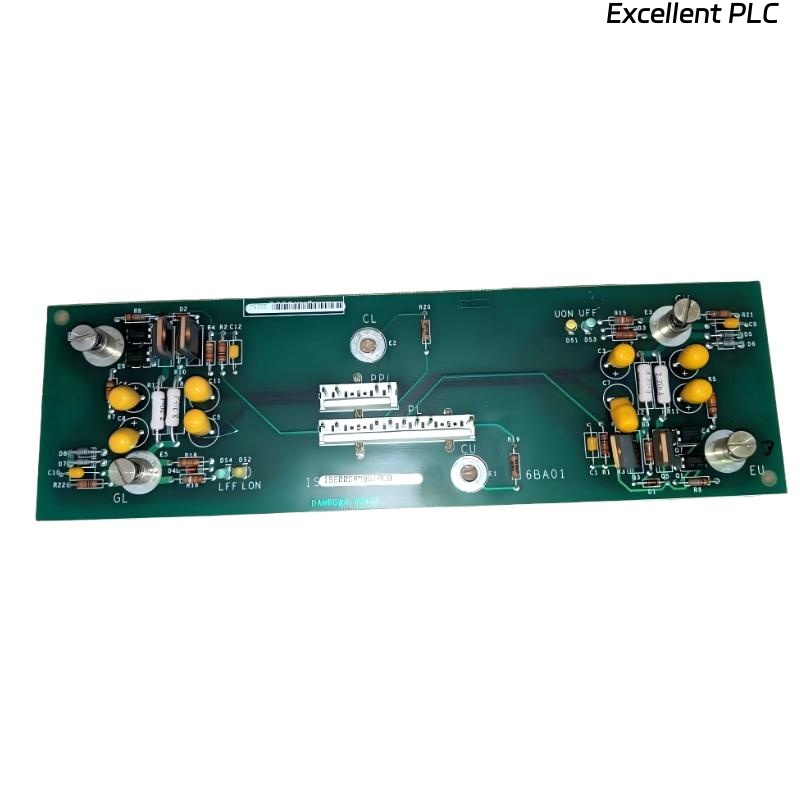
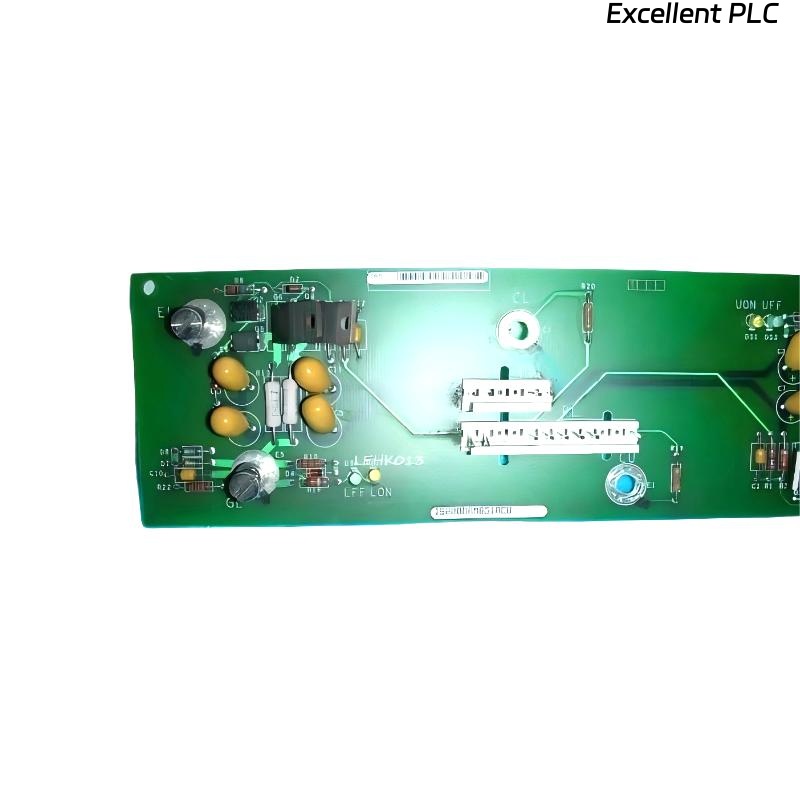
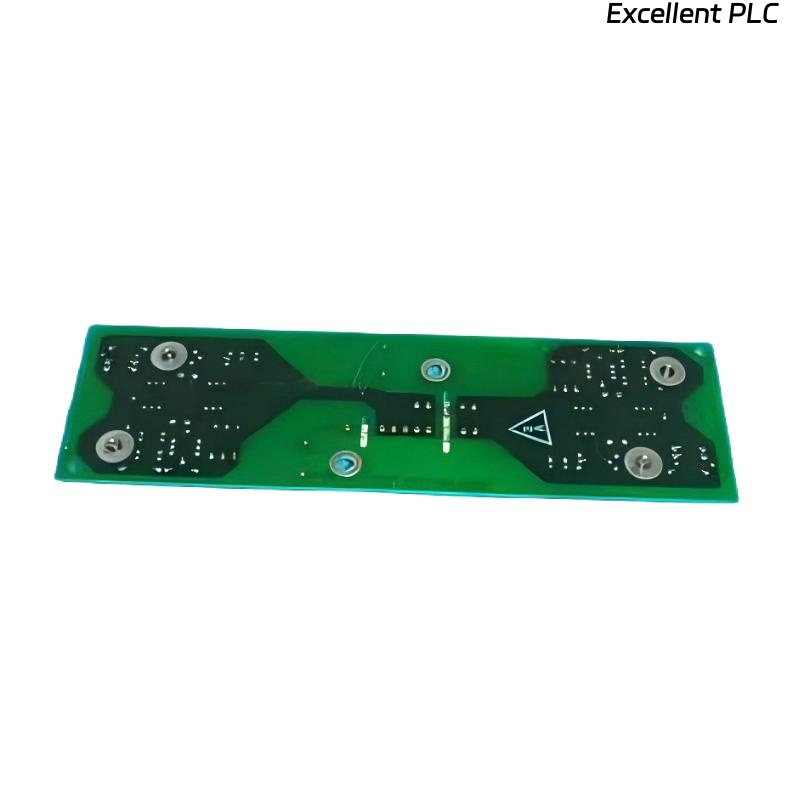
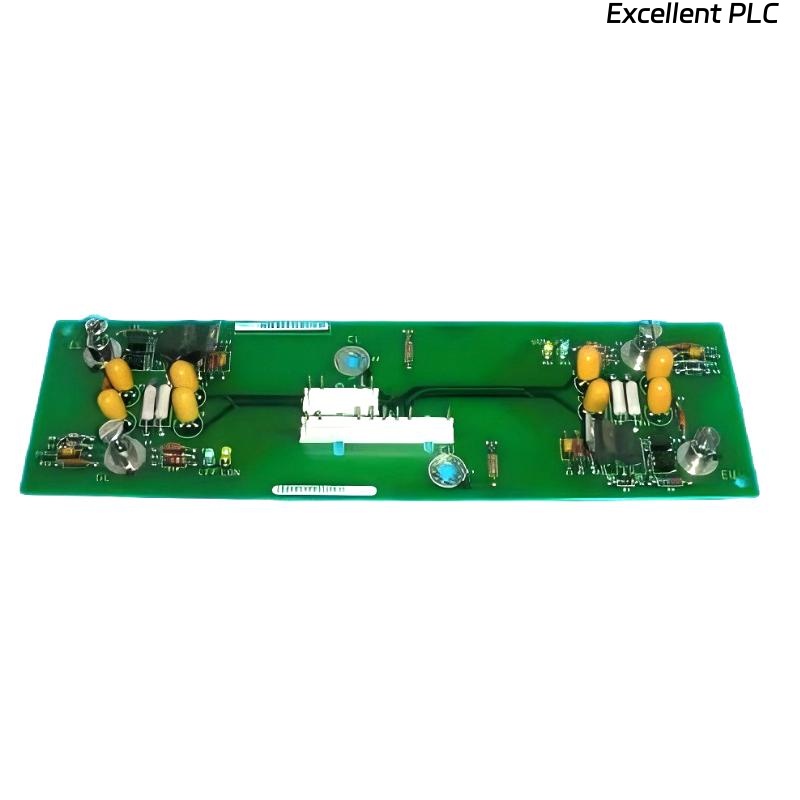
The GE IS200DAMBG1ACB is an analog monitoring and conditioning module designed to support high-fidelity signal processing within Mark VI and Mark VIe turbine control systems. Engineers rely on this board when accurate measurement, filtering, and conditioning of analog channels are required to keep both primary and auxiliary control loops stable. Its architecture provides dependable signal interpretation, making it suitable for long-term industrial service where precision is non-negotiable.
Technical Specifications and Physical Profile
| Parameter | Details |
|---|---|
| Brand | GE |
| Model | IS200DAMBG1ACB |
| Module Type | Analog Conditioning / Data Acquisition Module |
| Analog Channel Support | Multi-channel, filtered inputs |
| Signal Processing | Noise reduction, scaling, and conditioning |
| Voltage Range | Nominal 5V/24V depending on application |
| Isolation | Channel and ground isolation layers |
| Dimensions (L × W × H) | 203 mm × 138 mm × 33 mm |
| Weight | 0.74 kg |
| Operating Temperature | -20°C to 65°C |
| Mounting Format | Standard Mark VI/VIe rack module |
Application Areas in Modern Control Systems
The IS200DAMBG1ACB is typically installed in turbine control cabinets where sensitive analog measurements influence the operation of fuel systems, hydraulic circuits, and temperature or pressure feedback loops. Facilities using this module include:
-
Gas and steam turbine control systems
-
Auxiliary equipment monitoring racks
-
Precision analog conditioning subsystems
-
Process loops requiring filtered, stabilized signals
-
System upgrades replacing previous DAMB revisions
Its stable performance ensures that downstream logic receives consistent, distortion-free analog values, which directly supports reliability in fast-responding control environments.
Key Performance Advantages
One of the strengths of the IS200DAMBG1ACB is its ability to deliver clean, conditioned analog inputs even when electrical noise is present in the surrounding cabinet. The board helps reduce the risk of erratic readings, minimizes drift, and integrates seamlessly with backplane communication channels. For operators who prioritize long-term dependability and consistent measurement accuracy, this module serves as a dependable component within the system architecture.